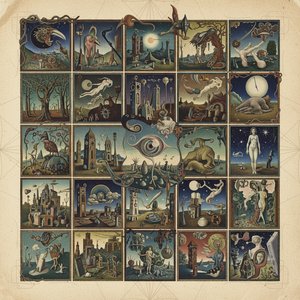
1927. Oil On Canvas.

§ 1Kataloogandmed


See teos on autoriõigusega kaitstud
Sellel lehel kuvatav kunstiteos on kaitstud autoriõigusega, mis tähendab, et meil ei ole seaduslikku õigust luua või müüa identset reproduktsiooni. Seda kaitset rakendatakse rahvusvaheliste kokkulepete alusel, nagu näiteks Berne konventsioon ning riiklike seadustega, sealhulgas nendega, mida on sätestatud USA autoriõiguse seadus – 17. peatükk.
Austasena ja seaduslikuna alternatiivina pakume originaalist inspireeritud, käsitsi maalitud isikupärastatud teoseid. Meie osutavad ja professionalsed kunstnikud uurivad hoolikalt originaali stiili, meelemoi ja kunstilist olemust, et luua uus, ainulaadne teos, mis tekitab sama tunnet – olles samal ajal omaette originaalne looming.
See meetod järgib täielikult autoriõiguse reegleid, kuna see ei põhine kaitstud kunstiteose kopeerimisel või dupliteerimisel. Selle asemel on tegu loova reinterpreetatsiooniga – uue maaldisega, mis on algteosest inspireeritud, kuid ei ole sellest identiline.
 Loe lähemalt
§ 2Abstraktne
Kogumisobjekti kirjeldus
Explore Max Ernst’s "Forest & Dove" (1927) – a surrealist masterpiece! Discover its dense composition, symbolic elements & unique grattage technique. A captivating work of art.
Kunstniku elulugu
Avasta Max Ernsti (1891–1976) sürreaalne maailm! Saksa-amrilane oli Dada ja sürrealismi pioneer, tuntud oma frotaaži, kollaažide ja unenäolike maalidega. Tutvuge tema teoste psühholoogiliste teemadega!
§ 3Kommentaar
A Dreamscape of Disquiet: Exploring Max Ernst’s *Forest and Dove*
Max Ernst's 1927 painting, *Forest and Dove*, is a quintessential example of Surrealism – a movement dedicated to unlocking the creative potential of the unconscious mind. This evocative oil on canvas transports viewers into a world that feels both familiar and profoundly unsettling, embodying the anxieties and psychological explorations central to the interwar period.Composition and Visual Language
The painting presents a dense, vertical composition dominated by dark, earthy tones – browns, ochres, and hints of red. Towering, skeletal trees define a claustrophobic forest scene, their branches reaching like grasping claws against an ambiguous sky. A small, almost childlike depiction of a dove perches within this forbidding landscape, while a solitary figure stands nearby, seemingly observing the scene with quiet contemplation. Ernst masterfully employs jagged lines and fragmented shapes to create a sense of unease and movement, disrupting any expectation of traditional pictorial harmony. The texture is remarkably rich, achieved through thick impasto application – lending a tactile quality that draws the viewer into the painting’s surface.Technique and Innovation: Grattage
Ernst was a relentless innovator in artistic technique. *Forest and Dove* showcases his pioneering use of *grattage*, a method he co-developed with Joan Miró. This involved scraping paint across the canvas to reveal the textures beneath, creating an almost three-dimensional effect and imbuing the surface with a unique visual energy. The resulting texture mimics bark, wood grain, and other natural forms, enhancing the painting’s dreamlike quality and blurring the lines between representation and abstraction.Symbolism and Interpretation
The symbolism within *Forest and Dove* is deliberately ambiguous, inviting multiple interpretations.- The Dead Tree: Often interpreted as a symbol of decay, transformation, or the passage of time, it anchors the composition and evokes a sense of melancholy.
- The Forest: Represents isolation, confinement, or the subconscious mind – a labyrinthine space where hidden fears and desires reside.
- The Dove: Traditionally a symbol of peace and hope, its presence within this somber landscape is particularly poignant. It may represent Ernst himself, seeking solace or freedom amidst inner turmoil.
- The Figure: Acts as the viewer’s surrogate, an observer caught between reality and the dreamlike world unfolding before them.
Historical Context and Artistic Influence
Created in 1927, *Forest and Dove* reflects the psychological anxieties prevalent in Europe following World War I. The trauma of war had shattered traditional beliefs and spurred artists to explore new ways of representing the human condition. Ernst’s work, deeply influenced by Dadaism and Surrealism, sought to challenge conventional notions of reality and tap into the power of the unconscious. His innovative techniques and evocative imagery profoundly impacted subsequent generations of artists, solidifying his place as a pivotal figure in 20th-century art.Emotional Resonance and Lasting Appeal
*Forest and Dove* is not merely a visual experience; it’s an *emotional* one. The painting evokes feelings of mystery, melancholy, and perhaps even foreboding. Its unsettling beauty lies in its ability to tap into our deepest fears and desires, prompting introspection and challenging us to confront the complexities of the human psyche. The work continues to resonate with audiences today, offering a timeless exploration of the subconscious mind and the enduring power of artistic imagination. It’s a piece that invites contemplation and rewards repeated viewing, making it a compelling addition to any art collection or interior space.Korduvad küsimused
Milline on „Forest and Dove“, autor Mak Ernst koht kunstiloos?
Teos „Forest and Dove“, autor Mak Ernst kuulub Surrealism suunale, mis on osa Modern ajastust. Koos annavad need teosele selle koha kunstiajas.
Kust teose „Forest and Dove“, autor Mak Ernst külastajad pärit on?
Teose "Forest and Dove" jaoks on olemas Statistika leht. See kajastab teose ja kunstniku teiste teoste kuutlikke külastusi riigi ja keele järgi lahutatud statistikaga.
Kes on teose "Forest and Dove" kunstnik?
Teose "Forest and Dove" looja on Mak Ernst. Teos on kataloogitud nime Mak Ernst all.


 Lülita trükkitoodetele


 Kunstiteoste või reproduktsioonide puhul, mille üks külg on üle 105 cm (umbikmolt 41 tolli), saadetakse raam kirjal asendis, la Dismantlitud komplektina. See meetod tagab ohutuse kohaletoimetamisel ja väldib transpordil tekkivaid kahjustusi.