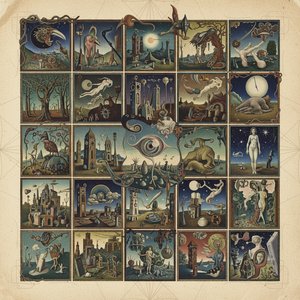
Oil On Canvas.

§ 1Kataloogandmed


See teos on autoriõigusega kaitstud
Sellel lehel kuvatav kunstiteos on kaitstud autoriõigusega, mis tähendab, et meil ei ole seaduslikku õigust luua või müüa identset reproduktsiooni. Seda kaitset rakendatakse rahvusvaheliste kokkulepete alusel, nagu näiteks Berne konventsioon ning riiklike seadustega, sealhulgas nendega, mida on sätestatud USA autoriõiguse seadus – 17. peatükk.
Austasena ja seaduslikuna alternatiivina pakume originaalist inspireeritud, käsitsi maalitud isikupärastatud teoseid. Meie osutavad ja professionalsed kunstnikud uurivad hoolikalt originaali stiili, meelemoi ja kunstilist olemust, et luua uus, ainulaadne teos, mis tekitab sama tunnet – olles samal ajal omaette originaalne looming.
See meetod järgib täielikult autoriõiguse reegleid, kuna see ei põhine kaitstud kunstiteose kopeerimisel või dupliteerimisel. Selle asemel on tegu loova reinterpreetatsiooniga – uue maaldisega, mis on algteosest inspireeritud, kuid ei ole sellest identiline.
 Loe lähemalt
§ 2Abstraktne
Kogumisobjekti kirjeldus
Explore Max Ernst’s surreal masterpiece ‘Landscape with Wheat Germ,’ created in 1936 during his Surrealist period. Discover its unsettling atmosphere, symbolic imagery & Dadaist influence.
Kunstniku elulugu
Avasta Max Ernsti (1891–1976) sürreaalne maailm! Saksa-amrilane oli Dada ja sürrealismi pioneer, tuntud oma frotaaži, kollaažide ja unenäolike maalidega. Tutvuge tema teoste psühholoogiliste teemadega!
§ 3Kommentaar
A Dreamscape Forged in Rebellion
In the vast, labyrinthine corridors of Surrealism, few works capture the unsettling beauty of the subconscious quite like Max Ernst’s Landscape with Wheatgerm. Created in 1936, this oil on canvas masterpiece serves as a profound window into the human psyche, where the boundaries between the rational world and the dream state dissolve into a singular, haunting vision. To gaze upon this landscape is to abandon the safety of logic and surrender to an imagery that is simultaneously mesmerizing and deeply disquieting. Ernst does not merely depict a scene; he engineers a psychological experience, inviting the viewer to navigate a terrain where the familiar becomes strange and the inanimate breathes with a life of its almost spectral intensity.
The painting’s origins are rooted in the rebellious spirit of the Dada movement, a period of profound disillusionment following the devastation of World War I. Having embraced the Dadaist rejection of reason and tradition, Ernst transitioned into Surrealism by seeking to liberate art from the constraints of representation. In Landscape with Wheatgerm, we see this evolution perfected. The composition is a deliberate disruption of the pastoral ideal, replacing the comfort of a recognizable horizon with a desolate, muted landscape that feels as though it has been excavated directly from a fever dream.
The Language of Symbols and Shadows
Every element within Ernst’s composition is laden with a heavy, symbolic significance that demands contemplation. The artist employs a disconcerting blend of organic and inorganic forms—a technique that creates a sense of profound ontological instability. We encounter dogs positioned with a primal vulnerability, alongside seemingly random objects such as chairs, bottles, and vases scattered across the terrain. These disparate components coalesce into an evocative scene that transcends literal depiction. The presence of the bird, perched amidst the ruggedness, introduces a note of fragile aspiration, yet it remains framed against an oppressive, mountainous backdrop that suggests the weight of existence.
At the very heart of this visual narrative lies the wheatgerm itself—a potent symbol of embryonic potential, rebirth, and the promise of future harvests. Yet, Ernst masterfully complicates this optimism by juxtaposing it with elements of decay and uncertainty. This tension between fertility and fragility is what gives the work its enduring emotional resonance. For the collector or the observer, the painting offers a complex dialogue between growth and dissolution, making it a piece that does not merely sit upon a wall but actively engages the intellect and stirs the soul.
A Masterclass in Texture and Technique
For the interior designer or art enthusiast, the technical brilliance of Landscape with Wheatgerm offers unparalleled opportunities for visual storytelling. Ernst was a pioneer of revolutionary techniques, including frottage (rubbing) and grattage (scraping), which he used to bypass the conscious mind and tap into the irrational. In this work, his masterful use of mixed media—combining traditional oil paints with elements reminiscent of collage—creates a textured surface that feels tactile and sculptural. The way light and shadow dance across the layered botanical fragments and rocky outcrops provides a rich, multidimensional quality.
This intricate layering of memory and matter allows the painting to possess a commanding presence in any sophisticated space. Whether anchored in a minimalist gallery setting or serving as a profound focal point in a curated residential collection, the artwork’s muted tones and complex textures provide a sense of depth that pulls the viewer into its enigmatic world. Owning a high-quality reproduction of such a cornerstone of Surrealism is more than an acquisition of decor; it is an invitation to inhabit a landscape of infinite imagination.
Korduvad küsimused
Kust saan näha teose "Landscape with Wheatgerm" eelvaadet?
Teose „Landscape with Wheatgerm“, autor Mak Ernst eelvaade on saadaval teose Eelvaade lehel.
Kuidas teos "Landscape with Wheatgerm" tasakaalustab valgust ja pimendust?
Teose "Landscape with Wheatgerm" üldine ere on balanced ning selle luminants on Gentle Luminance.
Milline on teose „Landscape with Wheatgerm“, autor Mak Ernst emotsionaalne toon?
Teos "Landscape with Wheatgerm" on seotud Reflective tundega. Emotsionaalne toon kirjeldab teose tekitavat muljet.



 Lülita trükkitoodetele


 Kunstiteoste või reproduktsioonide puhul, mille üks külg on üle 105 cm (umbikmolt 41 tolli), saadetakse raam kirjal asendis, la Dismantlitud komplektina. See meetod tagab ohutuse kohaletoimetamisel ja väldib transpordil tekkivaid kahjustusi.