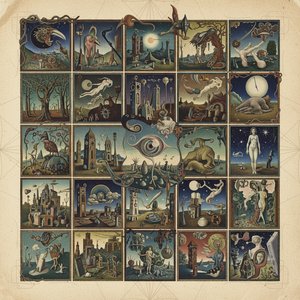
Oil On Panel.

§ 1Kataloogandmed

See teos on autoriõigusega kaitstud
Sellel lehel kuvatav kunstiteos on kaitstud autoriõigusega, mis tähendab, et meil ei ole seaduslikku õigust luua või müüa identset reproduktsiooni. Seda kaitset rakendatakse rahvusvaheliste kokkulepete alusel, nagu näiteks Berne konventsioon ning riiklike seadustega, sealhulgas nendega, mida on sätestatud USA autoriõiguse seadus – 17. peatükk.
Austasena ja seaduslikuna alternatiivina pakume originaalist inspireeritud, käsitsi maalitud isikupärastatud teoseid. Meie osutavad ja professionalsed kunstnikud uurivad hoolikalt originaali stiili, meelemoi ja kunstilist olemust, et luua uus, ainulaadne teos, mis tekitab sama tunnet – olles samal ajal omaette originaalne looming.
See meetod järgib täielikult autoriõiguse reegleid, kuna see ei põhine kaitstud kunstiteose kopeerimisel või dupliteerimisel. Selle asemel on tegu loova reinterpreetatsiooniga – uue maaldisega, mis on algteosest inspireeritud, kuid ei ole sellest identiline.
 Loe lähemalt
§ 2Abstraktne
Kogumisobjekti kirjeldus
Kunstniku elulugu
Avasta Max Ernsti (1891–1976) sürreaalne maailm! Saksa-amrilane oli Dada ja sürrealismi pioneer, tuntud oma frotaaži, kollaažide ja unenäolike maalidega. Tutvuge tema teoste psühholoogiliste teemadega!
§ 3Kommentaar
Le Mont Chauve: A Surreal Echo of Instinct and Observation
Max Ernst’s “Le Mont Chauve,” painted in 1955, stands as a quintessential example of Surrealist exploration—a visual poem grappling with the subconscious mind and challenging conventional perceptions of reality. More than just an image, it's a carefully constructed invitation into a realm where logic yields to dreamlike association, mirroring Ernst’s lifelong fascination with psychoanalysis and his desire to liberate art from rational constraints.
- Composition & Technique: The painting utilizes a strikingly simple yet profoundly impactful format—a circular field dominated by black hues punctuated by an incandescent red eye. Ernst achieved this ethereal effect through layering oil paints, employing a technique known as “frottage,” where he rubbed textured surfaces onto canvas to transfer their patterns and impressions into the artwork. This method reflects Ernst’s belief that artistic inspiration could be found in unexpected sources—the accidental marks of nature itself.
- Symbolism & Subject Matter: The central eye serves as a potent symbol, representing vigilance, awareness, and perhaps even an unsettling gaze directed inward. It's positioned atop a stylized mountain – “Le Mont Chauve” – which evokes images of solitude, contemplation, and the primal forces of nature. Ernst’s deliberate ambiguity invites viewers to project their own anxieties and desires onto this enigmatic landscape.
- Color Palette & Line Work: Despite its darkness, "Le Mont Chauve" incorporates subtle shades of blue within textured areas, hinting at hidden depths and suggesting a connection to the unconscious. Thin, radiating lines emanate from the eye, creating a dynamic visual rhythm that contrasts sharply with the stillness implied by the mountain form. These fractured lines underscore the Surrealist preoccupation with fragmentation and disruption—a rejection of linear perspective in favor of conveying emotional intensity.
- Historical Context: Ernst’s work emerged during the height of Surrealism's influence, a movement born from Dada nihilism and fueled by Freudian psychoanalysis. Artists like Ernst sought to bypass conscious thought and tap into primal instincts—a reaction against the horrors of World War I and a yearning for liberation from societal norms. “Le Mont Chauve” embodies this spirit of rebellion and experimentation.
- Emotional Impact: Viewing "Le Mont Chauve" evokes feelings of unease, mystery, and contemplation. The stark contrast between darkness and light—the eye’s luminous brilliance against the mountain's muted tones—creates a palpable tension that compels viewers to confront their own inner landscapes. It’s a piece designed not merely to depict but to provoke – an enduring testament to Ernst’s artistic vision.
Korduvad küsimused
Millistes mõõtudes ja millises suunases on "Le mont chauve" trükkimist soovitatav teha?
Teose "Le mont chauve" puhul on soovitatav trükiformaat Large suurusega ja Landscape suunaga.
Miks on teose "Le mont chauve" autoriõiguste staatus selline, nagu see on?
Mak Ernst teos "Le mont chauve" on on endiselt autoriõiguse all under kaitse. Autoriõiguse kaitseajad arvutatakse alates kunstniku surmaõigustest ning Mak Ernst suri aastal 1976.
Kui suur on kontrasst teoses „Le mont chauve“, autor Mak Ernst?
Teose „Le mont chauve“, autor Mak Ernst kontrastivaimustus on Serene.


 Lülita trükkitoodetele


 Kunstiteoste või reproduktsioonide puhul, mille üks külg on üle 105 cm (umbikmolt 41 tolli), saadetakse raam kirjal asendis, la Dismantlitud komplektina. See meetod tagab ohutuse kohaletoimetamisel ja väldib transpordil tekkivaid kahjustusi.