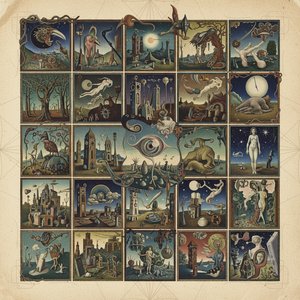
1920. Acrylic, 25.0 x 18.0 cm.

§ 1Kataloogandmed

- 25.0 x 18.0 cm


See teos on autoriõigusega kaitstud
Sellel lehel kuvatav kunstiteos on kaitstud autoriõigusega, mis tähendab, et meil ei ole seaduslikku õigust luua või müüa identset reproduktsiooni. Seda kaitset rakendatakse rahvusvaheliste kokkulepete alusel, nagu näiteks Berne konventsioon ning riiklike seadustega, sealhulgas nendega, mida on sätestatud USA autoriõiguse seadus – 17. peatükk.
Austasena ja seaduslikuna alternatiivina pakume originaalist inspireeritud, käsitsi maalitud isikupärastatud teoseid. Meie osutavad ja professionalsed kunstnikud uurivad hoolikalt originaali stiili, meelemoi ja kunstilist olemust, et luua uus, ainulaadne teos, mis tekitab sama tunnet – olles samal ajal omaette originaalne looming.
See meetod järgib täielikult autoriõiguse reegleid, kuna see ei põhine kaitstud kunstiteose kopeerimisel või dupliteerimisel. Selle asemel on tegu loova reinterpreetatsiooniga – uue maaldisega, mis on algteosest inspireeritud, kuid ei ole sellest identiline.
 Loe lähemalt
§ 2Abstraktne
Kogumisobjekti kirjeldus
Max Ernst’s surrealist masterpiece ‘Pleiades’ captures a mesmerizing woman submerged in the ocean depths, adorned with a bird symbolizing freedom and contemplation—a striking visual testament to his intellectual exploration of psychology and art history.
Kunstniku elulugu
Avasta Max Ernsti (1891–1976) sürreaalne maailm! Saksa-amrilane oli Dada ja sürrealismi pioneer, tuntud oma frotaaži, kollaažide ja unenäolike maalidega. Tutvuge tema teoste psühholoogiliste teemadega!
§ 3Kommentaar
A Vision of Mythic Femininity: Exploring Max Ernst’s “Pleiades”
The painting "Pleiades," created by German Surrealist artist Max Ernst in 1920, transcends mere visual representation; it's a deliberate invocation of myth and psychology, meticulously crafted to unsettle the viewer and provoke contemplation. Measuring 25 x 18 cm, this artwork embodies Ernst’s signature approach – blending disparate elements into a cohesive dreamscape that speaks volumes about the anxieties and aspirations of its time.- Subject Matter: At first glance, “Pleiades” presents a woman bathed in an ethereal glow, her head tilted back as if gazing upwards towards the heavens. This posture immediately establishes a connection to classical mythology, referencing the Pleiades – seven sisters of Greek legend who are said to guide sailors across turbulent seas. The woman’s nudity symbolizes vulnerability and purity, juxtaposed against the presence of a bird perched on her shoulder—a motif frequently employed by Ernst to represent freedom and instinct.
- Style & Technique: Ernst's Surrealist style is characterized by automatism – a technique he pioneered alongside André Breton – where artists attempt to bypass conscious thought and tap into the subconscious mind. This is evident in the collage-like construction of “Pleiades,” incorporating meticulously arranged rocks, fish, and other aquatic creatures. The artist utilized oil paint on canvas, applying it with textured brushstrokes that contribute to the painting’s palpable atmosphere.
Historical Context: Surrealism's Response to Trauma
The creation of “Pleiades” occurred during a period marked by profound upheaval – the aftermath of World War I and the burgeoning influence of psychoanalysis spearheaded by Sigmund Freud. Surrealist artists sought to liberate art from rational constraints, exploring irrationality, dreams, and repressed desires as pathways to artistic expression. Ernst’s preoccupation with mythology reflects this broader intellectual movement's fascination with archetypal narratives and their ability to illuminate the human psyche.
Symbolism Beyond Representation
Beyond its immediate visual elements, “Pleiades” is laden with symbolic significance. The bird symbolizes aspiration and transcendence, mirroring the Pleiades’ celestial journey. The woman's gaze upward suggests a yearning for spiritual enlightenment—a desire to escape the limitations of earthly existence. Furthermore, the rocks represent stability amidst chaos, grounding the ethereal figures within a tangible realm.
Emotional Impact & Artistic Legacy
"Pleiades" isn’t merely aesthetically pleasing; it's designed to elicit an emotional response from the viewer. Ernst’s masterful manipulation of color and texture creates a sense of unease and wonder, inviting contemplation on themes of femininity, mythology, and the subconscious mind. It remains a cornerstone of Surrealist art history, demonstrating Ernst’s ability to distill complex psychological ideas into striking visual imagery—a testament to his enduring influence on subsequent generations of artists.
Korduvad küsimused
Kas teos "Pleiades" on üldmuljelt pigem hele või tumene?
Teose "Pleiades" üldine ere on bright ning selle luminants on Gentle Luminance.
Mis on Mak Ernst pseudonüümid või alternatiivsed nimed?
Mak Ernst tuntub ära ka nime all Maks Ernest, Maximilian Maria Ernst.
Kas teose "Pleiades" kõrgekvaliteediline allalaadimine on saadaval?
Teose "Pleiades" digitaalset versiooni saab tellida kui kõrge resolutsiooniga digitaalse pildi allalaadimine, ostes seda otse sellelt lehelt Digitaalne kunstiteos.



 Lülita trükkitoodetele


 Kunstiteoste või reproduktsioonide puhul, mille üks külg on üle 105 cm (umbikmolt 41 tolli), saadetakse raam kirjal asendis, la Dismantlitud komplektina. See meetod tagab ohutuse kohaletoimetamisel ja väldib transpordil tekkivaid kahjustusi.