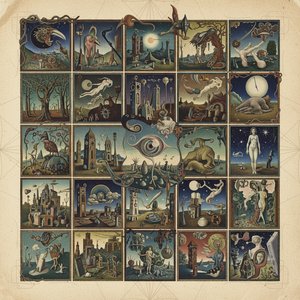
Acrylic On Canvas.

§ 1Kataloogandmed


See teos on autoriõigusega kaitstud
Sellel lehel kuvatav kunstiteos on kaitstud autoriõigusega, mis tähendab, et meil ei ole seaduslikku õigust luua või müüa identset reproduktsiooni. Seda kaitset rakendatakse rahvusvaheliste kokkulepete alusel, nagu näiteks Berne konventsioon ning riiklike seadustega, sealhulgas nendega, mida on sätestatud USA autoriõiguse seadus – 17. peatükk.
Austasena ja seaduslikuna alternatiivina pakume originaalist inspireeritud, käsitsi maalitud isikupärastatud teoseid. Meie osutavad ja professionalsed kunstnikud uurivad hoolikalt originaali stiili, meelemoi ja kunstilist olemust, et luua uus, ainulaadne teos, mis tekitab sama tunnet – olles samal ajal omaette originaalne looming.
See meetod järgib täielikult autoriõiguse reegleid, kuna see ei põhine kaitstud kunstiteose kopeerimisel või dupliteerimisel. Selle asemel on tegu loova reinterpreetatsiooniga – uue maaldisega, mis on algteosest inspireeritud, kuid ei ole sellest identiline.
 Loe lähemalt
§ 2Abstraktne
Kogumisobjekti kirjeldus
Explore Max Ernst’s ‘Untitled (13)’ – a surreal collage masterpiece! Dive into its dreamlike imagery, textured layers & symbolic forms from the Dada/Surrealist era.
Kunstniku elulugu
Avasta Max Ernsti (1891–1976) sürreaalne maailm! Saksa-amrilane oli Dada ja sürrealismi pioneer, tuntud oma frotaaži, kollaažide ja unenäolike maalidega. Tutvuge tema teoste psühholoogiliste teemadega!
§ 3Kommentaar
A Dreamscape of Disquiet: Exploring Max Ernst’s ‘Untitled (13)’
This captivating work by Max Ernst, known as ‘Untitled (13),’ plunges viewers into a surreal and densely populated world – a hallmark of his groundbreaking contributions to Dadaism and Surrealism. Created likely during his prolific *frottage* period, the artwork is not merely an image but an invitation to decipher a complex visual language born from the subconscious.Decoding the Visual Language
The composition is immediately striking for its crowded, layered quality. Ernst masterfully builds a sense of claustrophobia and disorientation through overlapping forms and a strong vertical emphasis anchored by a central structure reminiscent of a tower or antenna. This ‘tower’ doesn't offer stability but instead seems to pulse with an unsettling energy, extending outwards into a landscape populated by bizarre, biomorphic shapes and fragmented geometric patterns. The interplay between organic curves and sharp angles creates a dynamic tension, mirroring the internal conflicts often explored within Surrealist art. The color palette is predominantly dark, punctuated by strategically placed vibrant hues that draw the eye and heighten the dreamlike atmosphere.Technique & Materials: A Fusion of Chance and Control
Ernst’s technique in ‘Untitled (13)’ is a testament to his innovative spirit. He expertly combines oil paint with paper collage, creating a richly textured surface that invites tactile exploration – even through reproduction. The *frottage* process—rubbing over textured surfaces to create patterns—is subtly present, adding another layer of visual complexity. This layering isn’t accidental; it's a deliberate attempt to unlock the creative potential of chance and subconscious association. The visible brushstrokes and collage elements contribute to the artwork’s raw, almost primal energy.Symbolism & Interpretation
The subject matter remains deliberately ambiguous, resisting any single definitive interpretation. The central tower/antenna could symbolize technological advancement, communication, or even a distorted representation of human aspiration. Plant-like forms intertwine with mechanical elements, suggesting a complex relationship between nature and technology – a recurring theme in Ernst’s work. Scattered throughout the composition are small, enigmatic figures that seem lost within this chaotic landscape, perhaps representing humanity's alienation in the modern world. The artwork is ripe with symbolism, inviting viewers to project their own interpretations onto its evocative imagery.Historical Context: A Bridge Between Worlds
Max Ernst was a pivotal figure in 20th-century art, bridging the gap between Dada’s nihilistic rebellion and Surrealism’s exploration of the unconscious mind. Emerging from the trauma of World War I, both movements sought to challenge conventional artistic norms and expose the irrationality of modern society. ‘Untitled (13)’ embodies this spirit of experimentation and revolt, reflecting a post-war world grappling with uncertainty and psychological upheaval. Ernst's work directly influenced generations of artists and continues to resonate today.Emotional Resonance & Interior Design
‘Untitled (13)’ evokes a powerful emotional response – a sense of unease, mystery, and perhaps even a touch of dread. It’s not an artwork that offers easy comfort but rather one that provokes thought and introspection. Its complex composition and dark palette make it a striking focal point for any interior space. A high-quality reproduction would be particularly well-suited to modern or eclectic interiors, adding a layer of intellectual depth and artistic sophistication. The artwork’s inherent drama and symbolic richness will undoubtedly spark conversation and inspire contemplation.Korduvad küsimused
Kust saan leida statistikat teose „Untitled (13)“, autor Mak Ernst kohta?
Teose "Untitled (13)" jaoks on olemas Statistika leht. See kajastab teose ja kunstniku teiste teoste kuutlikke külastusi riigi ja keele järgi lahutatud statistikaga.
Kes on teose "Untitled (13)" autor ja millises stiilis see on kujutatud?
Mak Ernst lõi teose "Untitled (13)" Surrealism suunaga.
Kas teos "Untitled (13)" on ilma autoriõigusteta?
Teos „Untitled (13)“, autor Mak Ernst on lubaõiguslikult on endiselt autoriõiguse all under kaitse. See staatus reguleerib teose pildi reprodüseerimise võimalusi.



 Lülita trükkitoodetele


 Kunstiteoste või reproduktsioonide puhul, mille üks külg on üle 105 cm (umbikmolt 41 tolli), saadetakse raam kirjal asendis, la Dismantlitud komplektina. See meetod tagab ohutuse kohaletoimetamisel ja väldib transpordil tekkivaid kahjustusi.