Acrylic.

§ 1Catalogue data

See teos on autoriõigusega kaitstud
Sellel lehel kuvatav kunstiteos on kaitstud autoriõigusega, mis tähendab, et meil ei ole seaduslikku õigust luua või müüa identset reproduktsiooni. Seda kaitset rakendatakse rahvusvaheliste kokkulepete alusel, nagu näiteks Berne konventsioon ning riiklike seadustega, sealhulgas nendega, mida on sätestatud USA autoriõiguse seadus – 17. peatükk.
Austasena ja seaduslikuna alternatiivina pakume originaalist inspireeritud, käsitsi maalitud isikupärastatud teoseid. Meie osutavad ja professionalsed kunstnikud uurivad hoolikalt originaali stiili, meelemoi ja kunstilist olemust, et luua uus, ainulaadne teos, mis tekitab sama tunnet – olles samal ajal omaette originaalne looming.
See meetod järgib täielikult autoriõiguse reegleid, kuna see ei põhine kaitstud kunstiteose kopeerimisel või dupliteerimisel. Selle asemel on tegu loova reinterpreetatsiooniga – uue maaldisega, mis on algteosest inspireeritud, kuid ei ole sellest identiline.
 Loe lähemalt
§ 2Abstract
Kogumisobjekti kirjeldus
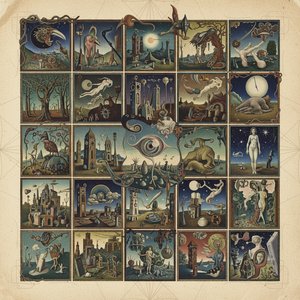
Explore Max Ernst’s surrealist masterpiece, ‘untitled (2931)’—a captivating depiction of two bird-headed figures embodying philosophical contemplation alongside musical expression. This iconic artwork from the 1930s invites you to immerse yourself in Ernst's visionary style and bring home a timeless piece of art history.
Kunstniku elulugu
Avasta Max Ernsti (1891–1976) sürreaalne maailm! Saksa-amrilane oli Dada ja sürrealismi pioneer, tuntud oma frotaaži, kollaažide ja unenäolike maalidega. Tutvuge tema teoste psühholoogiliste teemadega!
§ 3Commentary
A Surrealist Encounter: Decoding Max Ernst’s “Untitled (2931)”
The painting "Untitled (2930)" by Max Ernst is more than just a visual spectacle; it's an invitation into the labyrinthine realm of surrealism, where logic yields to dreamlike imagery and subconscious desires surface as tangible forms. Executed sometime between 1940 and 1945 during Ernst’s prolific period in Paris—a city brimming with artistic ferment following World War II—this artwork exemplifies the movement's core tenets: automatism, juxtaposition of incongruous elements, and exploration of psychological landscapes.- Subject Matter & Composition:
- At first glance, the painting presents a striking duality. A man with avian features—a bird’s head replacing his human face—stands rigidly on one leg, clutching a guitar as if attempting to maintain equilibrium amidst an unsettling stillness. Beside him is a woman adorned in a mask, mirroring Ernst's fascination with concealment and transformation. The placement of these figures alongside a clock and a chair subtly underscores themes of time, confinement, and domesticity – concepts frequently interrogated by Surrealist artists.
Stylistic Innovation: Automatism and Collage Techniques
Ernst’s artistic process was revolutionary for its time. He championed automatism—a technique deliberately designed to bypass conscious thought—resulting in spontaneous drawings and paintings that captured the essence of unconscious impulses. This method is brilliantly realized here through collage, where Ernst meticulously assembled fragments of various materials – paper, wood grain, and possibly even printed images – onto a canvas surface. The resulting texture adds depth and complexity to the composition, mirroring the fragmented nature of dreams themselves. The deliberate blurring of boundaries between reality and fantasy speaks directly to Surrealist ideals.- Color Palette & Texture:
- The painting’s color palette is muted yet evocative, dominated by earthy tones—browns, ochres, and greys—that contribute to the artwork's melancholic atmosphere. Ernst skillfully employs layering techniques to build up texture, creating a palpable sense of materiality that contrasts sharply with the ethereal quality of the figures. This textural richness enhances the viewer’s engagement with the piece and reinforces its connection to the natural world.
Symbolism: Bird Heads and Masks – Representations of Transformation
The recurring motif of bird heads—present in both the man and woman—holds profound symbolic significance within Surrealist art. Birds are traditionally associated with freedom, aspiration, and transcendence, representing a desire to escape earthly constraints. Ernst’s use of masks amplifies this symbolism, suggesting hidden identities and suppressed emotions. The mask obscures what lies beneath, prompting contemplation about inner selves and the complexities of human experience. Furthermore, the guitar symbolizes creativity and expression—a tool for navigating the subconscious and articulating unspoken feelings.- Historical Context: Surrealism After WWII:
- “Untitled (2930)” emerged from the crucible of postwar Europe, where Surrealist artists wrestled with anxieties surrounding trauma, disillusionment, and the looming threat of nuclear annihilation. Ernst’s work embodies the movement's commitment to confronting irrational fears and challenging conventional notions of reason—a reaction against the horrors witnessed during the war years. It stands as a testament to Surrealism’s enduring power to provoke thought and inspire artistic innovation.
Emotional Resonance: A Meditation on Isolation and Desire
Ultimately, “Untitled (2930)” transcends mere visual representation; it invites viewers into a contemplative dialogue about the human condition. The figures’ posture conveys a sense of vulnerability and isolation—a reflection of the psychological landscape explored by Ernst himself. Yet, simultaneously, the guitar symbolizes an attempt to communicate, to assert oneself amidst uncertainty. The painting's haunting beauty lies in its ability to capture the elusive essence of desire—the yearning for connection and transformation that resides at the core of our subconscious minds.Korduvad küsimused
Millest on teos "untitled (2931)" valmistatud?
Teose "untitled (2931)" loomisel kasutas Mak Ernst Acrylic tehnikat. See tehnika määrab originaalteose materjalilise olemuse.
Kas teos "untitled (2931)" on saadaval kunstiprentina?
Teose "untitled (2931)" trükised on saadaval vormis kunstiprint puuvillalõikel kangas või arhiveeritaval kangaspaberil. Tellimusi saab esitada selle Kvaliteetne kunstutrüki print lehel oma soovitud suuruses.
Kes lõi teose "untitled (2931)" ja millises stiilis see on?
Teose "untitled (2931)" taga on kunstnik Mak Ernst ja Surrealist Expression suundumus.



 Lülita trükkitoodetele


 Kunstiteoste või reproduktsioonide puhul, mille üks külg on üle 105 cm (umbikmolt 41 tolli), saadetakse raam kirjal asendis, la Dismantlitud komplektina. See meetod tagab ohutuse kohaletoimetamisel ja väldib transpordil tekkivaid kahjustusi.