Rahatagastus garantii · 100 päeva Tasuta kohaletoimetamine üle maailma
449582teosed 30618kunstnikud 4705muuseumid 32keeled
Valuta
    Keel
      Ateljee · Asutatud 2015 · Pariis, Prantsusmaa
      AllPaintingsStore
      allpaintingsstore.com
      Vaata sisu Vaata AR-eelvaadet Lülita trükkitoodetele Ülemineku digitaalse pildi müügi kanalisse Jaga teost
      Detailid Õppekate juhend Lisa lemmikutesse Laadi alla Sarnased teosed Röntgenuuring Slaidietendus Statistika

      untitled (3016)

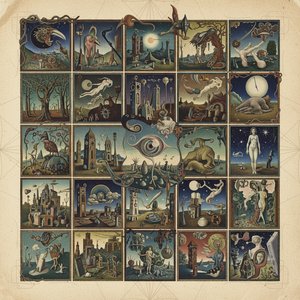
      Explore Max Ernst’s surreal landscape painting featuring bizarre rock formations and a solitary figure—a captivating glimpse into Dada and Surrealist art. Bring this iconic masterpiece home with AllPaintingsStore.com's exquisite reproductions.

      Avasta Max Ernsti (1891–1976) sürreaalne maailm! Saksa-amrilane oli Dada ja sürrealismi pioneer, tuntud oma frotaaži, kollaažide ja unenäolike maalidega. Tutvuge tema teoste psühholoogiliste teemadega!

      Sellel lehel kuvatav kunstiteos on kaitstud autoriõigusega, mis tähendab, et meil ei ole seaduslikku õigust luua või müüa identset reproduktsiooni. Seda kaitset rakendatakse rahvusvaheliste kokkulepete alusel, nagu näiteks Berne konventsioon ning riiklike seadustega, sealhulgas nendega, mida on sätestatud USA autoriõiguse seadus – 17. peatükk.

      Austasena ja seaduslikuna alternatiivina pakume originaalist inspireeritud, käsitsi maalitud isikupärastatud teoseid. Meie osutavad ja professionalsed kunstnikud uurivad hoolikalt originaali stiili, meelemoi ja kunstilist olemust, et luua uus, ainulaadne teos, mis tekitab sama tunnet – olles samal ajal omaette originaalne looming.

      See meetod järgib täielikult autoriõiguse reegleid, kuna see ei põhine kaitstud kunstiteose kopeerimisel või dupliteerimisel. Selle asemel on tegu loova reinterpreetatsiooniga – uue maaldisega, mis on algteosest inspireeritud, kuid ei ole sellest identiline.

      Käsitsi valmistatud õlimaalireproduktsioon

      Meie kunstnike poolt tellimusel valmistatud käsitsi maalitud õli-kainaste teos teie soovitud suuruses ja raamis. ( Lülita trükkitoodetele Ülemineku digitaalse pildi müügi kanalisse)

      Corner sample of the P118B picture frame: moulded polystyrene, 5 cm wide and 3 cm thick
      P118B 10
      Corner sample of the P118H picture frame: moulded polystyrene, 5 cm wide and 3 cm thick
      P118H 10
      Corner sample of the P118W picture frame: moulded polystyrene, 5 cm wide and 3 cm thick
      P118W 10
      Corner sample of the P438Z picture frame: moulded polystyrene, 5.5 cm wide and 3.5 cm thick
      P438Z 10
      Corner sample of the P508JH picture frame: moulded polystyrene, 7 cm wide and 3.5 cm thick
      P508JH 12
      Corner sample of the P508YH picture frame: moulded polystyrene, 7 cm wide and 3.5 cm thick
      P508YH 12
      Corner sample of the P805H picture frame: moulded polystyrene, 5 cm wide and 3.5 cm thick
      P805H 10
      Corner sample of the P805Z picture frame: moulded polystyrene, 5 cm wide and 3.5 cm thick
      P805Z 10
      Corner sample of the P919BZ picture frame: moulded polystyrene, 7 cm wide and 3.5 cm thick
      P919BZ 10
      Corner sample of the P919G picture frame: moulded polystyrene, 7 cm wide and 3.5 cm thick
      P919G 10
      Corner sample of the P919XJ picture frame: moulded polystyrene, 7 cm wide and 3.5 cm thick
      P919XJ 10
      Corner sample of the P959ZH picture frame: moulded polystyrene, 5 cm wide and 3 cm thick
      P959ZH 10
      Corner sample of the P968JZ picture frame: moulded polystyrene, 6 cm wide and 4 cm thick
      P968JZ 12
      Corner sample of the W106C picture frame: solid wood, 5 cm wide and 3 cm thick
      W106C 8
      Corner sample of the W218G picture frame: solid wood, 5 cm wide and 3 cm thick
      W218G 10
      Corner sample of the W218JH picture frame: solid wood, 5 cm wide and 3 cm thick
      W218JH 8
      Corner sample of the W218Y picture frame: solid wood, 5 cm wide and 3 cm thick
      W218Y 10
      Corner sample of the W307PJ picture frame: solid wood, 6 cm wide and 3 cm thick
      W307PJ 10
      Corner sample of the W316G picture frame: solid wood, 6 cm wide and 3 cm thick
      W316G 10
      Corner sample of the W316PJ picture frame: solid wood, 6 cm wide and 3 cm thick
      W316PJ 8
      Corner sample of the W316Y picture frame: solid wood, 6 cm wide and 3 cm thick
      W316Y 10
      Corner sample of the W398PJ picture frame: solid wood, 5 cm wide and 3 cm thick
      W398PJ 8
      Corner sample of the W4111J picture frame: solid wood, 6.5 cm wide and 3.5 cm thick
      W4111J 10
      Corner sample of the W500HY picture frame: solid wood, 7 cm wide and 5 cm thick
      W500HY 15
      Corner sample of the W500JH picture frame: solid wood, 7 cm wide and 5 cm thick
      W500JH 15
      Corner sample of the W692G picture frame: solid wood, 8 cm wide and 4 cm thick
      W692G 12
      Corner sample of the W849H picture frame: solid wood, 5 cm wide and 3 cm thick
      W849H 8
      Corner sample of the W940BG picture frame: solid wood, 7.5 cm wide and 4.5 cm thick
      W940BG 15
      Corner sample of the W953PJ picture frame: solid wood, 6 cm wide and 3.5 cm thick
      W953PJ 8

      Standardne suurus
      kohandatud
      CM
      INCH

      Vali meie eelmääratud suurused, mis vastavad teose algupärastele proportsioonidele.

      laius
      kõrgus

      Sa võite sisestada oma mõõtmed konkreetse raami või ruumi sobivuse tagamiseks. Kui teie valitud suurus ei vasta originaalpildi proportsioonidele, siis kärvime kunstiteost või laiendame maali täiendavate käsitsi maalitud elementidega. Enne tootmise algust saadetakse teile heakskiitmiseks digitaalne eelvaade.
      Palun pidage meeles, et ekraanil kuvatav eelvaade ei kajasta tegelikku kärpimist või laiendamist. Ainult eelvaade näitab täpselt lõplikku kompositsiooni.
      Kuigi on saadaval kohandatud suurused, soovitame originaalproportsioonide säilimiseks valida mõõdud eelmääratletud nimekirjast.

      Näited muudetavatest elementidest: asenda nägu kliendi fotoga; lisa lemmikloom (nt asenda kass koeraga); lisa taustale peidetud sõnum; muuda tausta maastikku või elemente.
      Pärast tellimust saadab AllPaintingsStore.com meeskond kliendile e-posti juhised ning esitab eelvaate kavandi

      Maailmline tarne 3–4 nädala jooksul tavalise 5 nädala asemel. (10 oktoober). Kvaliteedis kompromisse ei tehta.

      Tasuta ekspresssaatmine üle maailma
      Kõrgekvaliteediline lina-kangastest muld
      Täielik transpordikindlustus
      Tollimaksude tagastamise garantii
      Värvitoime täpsuse garantii
      100 päeva tagastusõigus (ainult defektide korral)
      100% raha tagasi garantii
      Hulgusoodustus

      Kogu summa

      € 222

      untitled (3016)

      Reproduktsiooni materjal

      Reproduktsiooni mõõtmed

      -

      Lõppsumma

      € 222

      Teave teose kohta

      • Medium: Oil on canvas
      • Influences: Dada
      • Title: untitled (3010)
      • Notable elements or techniques: Concrete rocks; Figure observation
      • Movement: Surrealism
      • Artistic style: Abstract Expressionist

      A Journey Through the Surreal Landscape

      In the enigmatic realm of Max Ernst’s Untitled (3016), the boundaries between reality and dream dissolve into a breathtaking geological tableau. This painting presents a desolate yet captivating landscape dominated by towering rocks, rendered with an unsettling precision that commands the viewer's attention. At first glance, one is struck by the sheer scale of these stone monoliths, which rise from the earth like ancient, silent sentinels. Amidst this stony expanse, a solitary figure is positioned thoughtfully, providing a vital human element to an otherwise otherworldly scene. This presence invites us to step into the frame, acting as our surrogate as we contemplate the strange, textured formations that define this alien terrain.

      The technique employed by Ernst is a masterclass in the Surrealist tradition, blending organic forms with geometric complexities to create an unsettling harmony. Utilizing a mixed media approach—likely weaving oil paint with delicate collage elements—the artist achieves a profound textural richness. Every crevice of the rock faces and every shadow within the landscape feels tactile, as if one could reach out and touch the cold, weathered surface of the stone. This skillful manipulation of medium allows Ernst to defy conventional representation, pulling the viewer away from the familiar and into a realm where logic yields to the boundless power of the imagination.

      Historical Echoes and Symbolic Depths

      To understand the profound weight of this work, one must look back to the interwar period, specifically the years between 1925 and 1930. Created during Ernst’s formative era within the Dada and Surrealist movements, Untitled (3016) reflects the deep-seated anxieties of a world recovering from global conflict. The rejection of rationality and bourgeois values that fueled the Dada movement is palpable here; Ernst uses the canvas to explore subconscious impulses and psychological depths. The painting serves as a window into the artist's fascination with mythology and the primal forces that shape our existence, mirroring the era's broader philosophical shifts toward psychoanalysis and the exploration of the hidden self.

      Symbolically, the landscape is heavy with meaning. The rocks themselves serve as potent emblems of permanence, solidity, and the inexorable march of geological time. Their bizarre, almost impossible formations evoke imagery from ancient folklore, suggesting a world shaped by forgotten myths. In contrast, the solitary figure embodies the human condition—a state of perpetual observation and quiet contemplation amidst the vast, indifferent mysteries of the universe. For collectors and interior designers, this piece offers more than mere decoration; it provides a profound focal point for introspection, making it an ideal addition to spaces designed for thought, creativity, and quiet wonder.

      An Atmosphere of Wonder and Unease

      The emotional impact of Untitled (3016) is a complex tapestry of unease and awe. Ernst utilizes a muted palette, primarily composed of earthy browns and somber greys, to cultivate an atmosphere of bleakness and stillness. Yet, it is precisely this lack of vibrant color that allows the striking, strange shapes of the rock formations to command such intense curiosity. The painting does not offer easy answers; instead, it fosters a sense of mystery that lingers long after one has turned away from the canvas.

      For those seeking to elevate their art collection with a high-quality reproduction, this work offers an unparalleled opportunity to bring a piece of art history into the modern home. Whether placed in a minimalist gallery setting or a richly textured study, the painting’s ability to stimulate conversation and provoke deep thought makes it a timeless investment. It is a masterpiece that transcends visual depiction, inviting every viewer into a realm where the impossible becomes visible.

      Küsimused ja vastused

      Kuidas saan tellida teose „untitled (3016)“, autor Mak Ernst trükki?

      Teose „untitled (3016)“, autor Mak Ernst trüket saate tellida otse lehelt see leht: kunstiprint puuvillalõikel}}^{\text{canvas}}$ või arhiveeritaval kangaspaberil.

      Kuidas teos "untitled (3016)" tõmbab korduvalt välja valgus ja pimendus?

      Teosest „untitled (3016)“, autor Mak Ernst on registreeritud väärtused: brilliant eregus, Bright Balance luminants.

      Millisele kunstnikule on teos "untitled (3016)" atribuutseeritud?

      Teose "untitled (3016)" looja on Mak Ernst. Teos on kataloogitud nime Mak Ernst all.

      Milline värv on teose „untitled (3016)“, autor Mak Ernst kompositsiooni domineeriv?

      Aquamarine (#9dd1e5) on teose „untitled (3016)“, autor Mak Ernst domineeriv värv.

      Kust saan osta teose „untitled (3016)“, autor Mak Ernst käsitsi maalatud reproduktsiooni?

      Teose „untitled (3016)“, autor Mak Ernst käsitsi maalatud reproduktsioone müüakse saidil see veebileht: käsitsi maalatud õlireproduktsioon linaelapale, tellimiseks kasutada see leht.

      Kas teose "untitled (3016)" värvid on tugevad või pehmed?

      Teose „untitled (3016)“, autor Mak Ernst värvid on Balanced intensiivsusega.

      Kas ma saan näha teost „untitled (3016)“, autor Mak Ernst erinevates valgustingimustes?

      Teose „untitled (3016)“, autor Mak Ernst Röntgenkiirgus leht on interaktiivne vaatur, mis võimaldab liikuda läbi teose üheksateist optilise kihti, sealhulgas röntgenlaadunäoga vaadet.


      Kunstniku elulugu

      Maksi Ernsti Elu: Sürrealismi ja Vabaduse Tõus

      Max Ernst, sündinud Maximilian Maria Ernst 1. aprillil 1891 Brühli linnas, Saksamaal, oli kunstnik, kelle tee ei kulgenud tavapärase kunstiõpingu teed, vaid eneseotsingute ja katsetamise teed, mis viisid teda sürrealismi südameni. Tema isa, kurtide kooli õpetaja ja harrastuskunstnik, andis talle nii maailma tundlikkust kui ka vaimustamist konventsiooniliste normidega vastuolus. See sisemine pingelangus kujundas Ernsti loomingut läbi terve elukäigu.

      Ülikooliaeg Bonnis, kus Ernst õppis filosoofiat, kunstiajalugu, kirjandust, psühholoogiat ja psühhiaatriat, ei olnud pelgud akadeemilised tegevused, vaid sügavalt tema hilisemat kunstitööd mõjutanud alus. Ta ei tahtnud lihtsalt õppida *kui* maalida, vaid *miks*. See intellektuaalne uudishimu viis ta Picasso, Van Goghi ja Gauguini loominguni, mis muutis tema kunstilist suunda pöördeliselt. Modernismi seemned olid külvatud.

      Dadaismist Sürrealismi Vabastuseni

      Esimine maailmasõda oli Ernsti elus murdepunkt. Esilinna ja läänerinde sõdurina saadud kogemused raputasid teda sügavalt, tekitades skeptitsismi voolavaste struktuuride suhtes ning soovi uute väljendusvormide järele. See pettumus leidis vilja maad kasvavas dadaismis, mida Ernst omakasvuliselt omaks võttis tagasi pöördudes Kölnisse 1918. aastal. Hans Arpiga koos sai temast keskjooneline tegelane Kölni dadaistide rühmituses, mis hüljaski traditsioonilised kunstivormid ning võttis omaks absurdi, juhuse ja ratsionaalsuse puudumise.

      Kuid dadaism oli vaid samm edasi. 1920ndate alguses siirdus Ernst Pariisi ja liitus sürrealistidega, kelle eesotsas oli André Breton. See tähistas nihkumist unenägede valda, teadvuse sügavustesse ning irratsionaalsusse. Psühhoanalüütiku Sigmund Freudi ideede mõjul püüdis Ernst avada inimhinge peidupoolte kunstniku vahendusel. Ta ei tahtnud kujutada reaalsust nii nagu see näib, vaid paljastada psühholoogilisi jõude, mis seda vormistavad.

      Uued Tehnikad: Frottage, Grattage ja Kollaaž

      Ernsti kunstiline innovatsioon ulatub teemade taha; ta oli pidev eksperimenteerija. Ta ei võtnud lihtsalt kasutusele olemasolevaid meetodeid – ta leiutas uusi. Ilmselt tema kuulsaim panus on frottage, tehnika, kus paberile hõõrutakse harjaga tekstuuri pindadele, et luua ootamatuid ja väljendusrikkaid kujundeid. See meetod, mis sündis igavuse hetkel vaadates puusüsi struktuuri, võimaldas tal pääseda teadvusetta sügavustesse ning genereerida vorme, mida ta ei saanud teadlikult kontrollida. Lähedane tehnika oli grattage, kus värvi kraabitakse lõuendi pinnale, paljastades alumisi kihte.

      Ta kasutas ka virtuoosselt kollaaži, koostades erinevaid elemente – ajakiri pilte, teaduslikke illustratsioone, fotosid – sürrealistlikesse kompositsioonidesse, mis esitasid väljakutseid konventsionaalsetele kujutamisviisidele. Need tehnikad ei olnud pelgud stiilivalikuid; nad olid lahutamatult seotud tema teadvusetuse uurimisega ja sooviga rikkuda traditsioonilisi kunstivorme. Tema maalidel esinevad sageli korduvad sümbolid: linnud (eriti tema alter ego Loplop), hüljatud maastikud, häirivad ühendused ning leviv saladus.

      Pärand ja Jõudlus

      Teise maailmasõja puhkem sundis Ernstit lahkuma Euroopast, leides varju Ameerika Üriikides. Ta jätkas maalimist ja uute tehnikatega katsetamist ka pagenduses, pöördudes sõdadevahelisel perioodil tagasi Prantsusmaale, kus ta jäi aktiivseks kuni surmani 1st aprillil 1976 Pariisis. Tema mõju järgnevatele kunstnike põlvedele on mõõdistamatu.

      Max Ernsti panus dadaismi ja sürrealismi oli ülimat tasemega. Ta esitas väljakutseid kunstivormidele, süvenes teadvuse sügavustesse ning leiutas uuendavaid tehnikaid, mis jätkuvad inspireerivat kunstnikke tänapäevani. Ta ei olnud pelgud maalikunstnik; ta oli avastaja, provokaator ja visionär, kes laiendas kunsti piire iseendale.

      • Peamised teosed: The Entire City, Euclides, Of This Men Shall Know Nothing, Forest and Dove
      • Mõjud: Pablo Picasso, Vincent van Gogh, Paul Gauguin, Sigmund Freud, Giorgio de Chirico
      • Voolud: Dadaism, Sürrealism
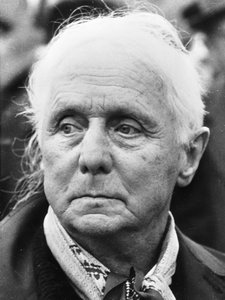
      Mak Ernst

      Mak Ernst

      1891 - 1976 , Saksamaa

      Lühikest infot

      • Artistic Movement Or Style: Dada, Sürrealism
      • Artists Or Movements Influenced By This Artist:
        • Sürrealism
        • Dada
      • Artists Who Influenced This Artist:
        • Pablo Picasso
        • Vincent van Gogh
        • Paul Gauguin
        • Giorgio de Chirico
      • Date Of Birth: 1891. aprill 2.
      • Date Of Death: 1976. aprill 1.
      • Full Name: Max Ernst
      • Nationality: Saksakasvatuseline, Ameerika, Prantsuse
      • Notable Artworks:
        • Ofrenda funeraria
        • The Equivocal Woman
        • L'Ange du foyer
      • Place Of Birth: Brühl, Saksamaa
      Avastage teoseid, mis on koondatud teemade, stiilide ja omaduste kaupa.