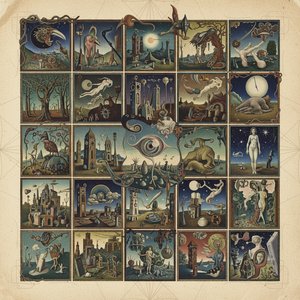
1943. Õlimaal kangaruumil, 108.0 x 141.0 cm.

§ 1Kataloogandmed

- 108.0 x 141.0 cm


See teos on autoriõigusega kaitstud
Sellel lehel kuvatav kunstiteos on kaitstud autoriõigusega, mis tähendab, et meil ei ole seaduslikku õigust luua või müüa identset reproduktsiooni. Seda kaitset rakendatakse rahvusvaheliste kokkulepete alusel, nagu näiteks Berne konventsioon ning riiklike seadustega, sealhulgas nendega, mida on sätestatud USA autoriõiguse seadus – 17. peatükk.
Austasena ja seaduslikuna alternatiivina pakume originaalist inspireeritud, käsitsi maalitud isikupärastatud teoseid. Meie osutavad ja professionalsed kunstnikud uurivad hoolikalt originaali stiili, meelemoi ja kunstilist olemust, et luua uus, ainulaadne teos, mis tekitab sama tunnet – olles samal ajal omaette originaalne looming.
See meetod järgib täielikult autoriõiguse reegleid, kuna see ei põhine kaitstud kunstiteose kopeerimisel või dupliteerimisel. Selle asemel on tegu loova reinterpreetatsiooniga – uue maaldisega, mis on algteosest inspireeritud, kuid ei ole sellest identiline.
 Loe lähemalt
§ 2Abstraktne
Kogumisobjekti kirjeldus
Avastage Max Ernsti sürrealistlik teos The Eye of Silence. Avage kunstniku täpne symbolism ja uudne tehnika.
Kunstniku elulugu
Avasta Max Ernsti (1891–1976) sürreaalne maailm! Saksa-amrilane oli Dada ja sürrealismi pioneer, tuntud oma frotaaži, kollaažide ja unenäolike maalidega. Tutvuge tema teoste psühholoogiliste teemadega!
§ 3Kommentaar
Introduction
The Eye of Silence is a painting by German dadaist and surrealist Max Ernst, created in 1943-44. This masterpiece, which measures 108 x 141 cm, is an oil on canvas work that exemplifies the artist's unique style and technique. In this article, we will delve into the details of the painting, its creator, and the surrealist movement.Max Ernst: The Artist
Born in 1891, Max Ernst was a pioneering figure in the dada and surrealist movements. His innovative use of collage, frottage, and grattage techniques revolutionized the art world and paved the way for future generations of artists. Ernst's work often featured distorted figures and landscapes that evoked a sense of unease and disorientation, challenging traditional perceptions of reality.The Eye of Silence: The Painting
The Eye of Silence is a hauntingly beautiful painting that invites the viewer to explore their subconscious mind. The artwork depicts a calm, reflective lake surrounded by green and brown shapes, evoking a sense of foliage, stone ruins, and natural rock formations. In the right foreground, there is a sphinx-like human figure, while the background sky is filled with dark, ominous clouds. Ernst used decalcomania to produce texture in this painting, a process where paint is transferred from one surface to another. This technique adds depth and complexity to the artwork, enhancing its dreamlike quality. The composition evokes a land of ruins, foliage, and rock formations, creating an eerie atmosphere that invites introspection.Surrealism: The Style
Surrealism is an art movement that emerged in the early 20th century, characterized by its exploration of the unconscious mind and dreamlike imagery. The movement was influenced by Sigmund Freud's psychoanalytic theories and sought to break away from traditional artistic conventions. Surrealist works often feature unexpected juxtapositions, non sequitur, and deliberate irrationality, challenging the viewer's perceptions of reality.Analysis
The Eye of Silence is a powerful example of surrealism, inviting the viewer to explore their subconscious mind. The painting's calm, reflective lake and sphinx-like human figure evoke a sense of mystery and introspection, while the dark, ominous clouds in the background create an atmosphere of unease. Ernst's use of decalcomania adds depth and complexity to the artwork, enhancing its dreamlike quality. The composition's ruins, foliage, and rock formations evoke a sense of decay and rebirth, reflecting the surrealist movement's exploration of the unconscious mind.Conclusion
The Eye of Silence is a masterpiece of surrealism that invites the viewer to explore their subconscious mind. Created by pioneering artist Max Ernst, this painting exemplifies the unique style and technique of the surrealist movement. For more information on Max Ernst and his work, visit our dedicated page at Top 5 Famous Surrealism Artists of All Time. To view more surrealist masterpieces, check out our collection at Surrealism Paintings. Storstrøms Kunstmuseum Denmark, located in Maribo, is a hidden gem that art lovers should not miss. The museum houses an impressive collection of Danish and international art, including works by Max Ernst. For more information on the museum, visit our dedicated page at Storstrøms Kunstmuseum Denmark, a Hidden Gem for Art Lovers.Korduvad küsimused
Kas "Vaikuse silm" on üks Mak Ernst populaarsemaid teoseid?
Teose „Vaikuse silm“, autor Mak Ernst registreeritud populaarsusaste on Tunnustatud.
Kust koht teoses "Vaikuse silm" on Mak Ernst loomingus?
"Vaikuse silm" kuulub Mak Ernst Sürrealism perioodi teosetele, mille tuntud teemad hõlmavad psühstanalüütiline uuring, dada-kollageenitehnika, sürrealistlik maastikuvisi, sümbolistlik sfinksi kohvatus, unenäoline kunstiline refleksioon.
Millist ruumi on „Vaikuse silm“, autor Mak Ernst jaoks soovitatav?
Teose "Vaikuse silm" reproduktsioon sobib hästi Elutuba-i.



 Lülita trükkitoodetele


 Kunstiteoste või reproduktsioonide puhul, mille üks külg on üle 105 cm (umbikmolt 41 tolli), saadetakse raam kirjal asendis, la Dismantlitud komplektina. See meetod tagab ohutuse kohaletoimetamisel ja väldib transpordil tekkivaid kahjustusi.