


 Vaata sisu
 Jaga teost
 Jaga
Jaga
 Detailid
 Õppekate juhend

 Laadi alla
 Sarnased teosed
 Röntgenuuring
 Slaidietendus
 Statistika
Kaa
 Abstract Expressionism
 1994
1994 1469.0 x 1666.0 cm
 Singaporei Riiklik Muuseum
 Loe lähemalt
Sellel lehel kuvatav kunstiteos on kaitstud autoriõigusega, mis tähendab, et meil ei ole seaduslikku õigust luua või müüa identset reproduktsiooni. Seda kaitset rakendatakse rahvusvaheliste kokkulepete alusel, nagu näiteks Berne konventsioon ning riiklike seadustega, sealhulgas nendega, mida on sätestatud USA autoriõiguse seadus – 17. peatükk.
See meetod järgib täielikult autoriõiguse reegleid, kuna see ei põhine kaitstud kunstiteose kopeerimisel või dupliteerimisel. Selle asemel on tegu loova reinterpreetatsiooniga – uue maaldisega, mis on algteosest inspireeritud, kuid ei ole sellest identiline.
Giclée / Kunstiprint
Muuseumikvaliteediga giclée- või kangasprint kiire tootmisega ja paindlikud viimistlusvõimalused. ( Telli käsitsi maalitud reproduktsioon Ülemineku digitaalse pildi müügi kanalisse)




































Vali meie eelmääratud suurused, mis vastavad teose algupärastele proportsioonidele.

Sisestage vajalik laius ja kõrgus, et see sobiks teie raamile või seinale. Trükki saab ainult lõigata, seda ei saa kunagi pildist suuremaks teha, seega ka differentse vormiga suurus kaotab osa pildist. Enne trükkimist saadame teile kinnitamiseks digitaalse näidisprojektsiooni. Sellel lehel näidatud pilt ei kujuta reaalset lõiget — seda näitab ainult näidisprojekttsioon.
Ülemaailmne tarne () 2 nädala jooksul, tavalise 4/5 nädala asemel. (25 oktoober)

Tasuta ekspresssaatmine üle maailma

Kõrgekvaliteediline lina-kangastest muld

Täielik transpordikindlustus

Tollimaksude tagastamise garantii

Värvitoime täpsuse garantii

100 päeva tagastusõigus (ainult defektide korral)

100% raha tagasi garantii

Hulgusoodustus
 Klaasivalik on saadaval ainult kuni 110 cm suuruses teostes

Kaa
Giclée / Kunstiprint
Reproduktsiooni mõõtmed
-


Lõppsumma
€ 56
A Fragmented Vision: Exploring Mohammad Din Mohammad's "Kaa"
Mohammad Din Mohammad’s “Kaa,” created in 1994, is a captivating work of abstract expressionism that transcends mere representation. This large-scale piece (1469 x 1666 cm) presents a fragmented and abstracted depiction of what appears to be a traditional dwelling or structure. Rather than offering a clear, realistic portrayal, Mohammad utilizes an expressive, gestural style to evoke a powerful emotional response in the viewer. The skewed perspective and dynamic composition create a sense of movement and instability, drawing the eye across the canvas and inviting contemplation. It's a testament to his unique ability to fuse Western artistic techniques with deeply rooted cultural and spiritual influences.Style & Technique: A Synthesis of East and West
Mohammad Din Mohammad’s artistic journey was shaped by his training at the Nanyang Academy of Fine Arts, where he studied Western painting. However, he masterfully integrated these learnings with his profound understanding of Sufi mysticism and Malay cultural heritage. "Kaa" exemplifies this synthesis. The artwork is executed primarily using a wet-on-wet technique, allowing for the blending and layering of oil paints directly on the canvas. This results in rich textures created through thick impasto and loose brushwork – a hallmark of abstract expressionism. The visible brushstrokes contribute to the painting's tactile quality and convey a sense of raw energy. The color palette, dominated by greens and yellows contrasted with browns and grays, further enhances the emotional depth of the piece.Sufi Mysticism & Symbolic Language
Central to Mohammad Din Mohammad’s artistic practice was his devotion to Sufism, a mystical branch of Islam emphasizing inner spiritual experience. "Kaa" is imbued with subtle symbolic elements reflecting this profound influence. The fragmented structure itself can be interpreted as representing decay, vulnerability, or a disrupted sense of place – themes often explored within the context of Sufi thought concerning impermanence and the search for transcendence. While not overtly literal, the composition suggests a journey through a landscape of the soul, hinting at the complexities of faith and human existence. His frequent incorporation of calligraphic elements, though absent in this particular work, is characteristic of his broader oeuvre and served as a signature element connecting his artistic and spiritual pursuits.Emotional Resonance & Lasting Impact
"Kaa" evokes a palpable sense of melancholy and unease. The chaotic composition, muted color scheme, and fragmented forms contribute to an atmosphere of introspection and quiet contemplation. It’s not a painting that offers easy answers; instead, it invites the viewer to engage with their own emotions and interpretations. Mohammad Din Mohammad's work continues to resonate with audiences today due to its powerful emotional honesty and its unique blend of cultural and spiritual influences. Owning a reproduction of "Kaa" is an opportunity to bring this evocative piece into your space, sparking conversation and inspiring reflection.Küsimused ja vastused
Kust saan osta teose „Kaa“, autor Mohammad Din Mohammad digitaalse pildi?
Teose „Kaa“, autor Mohammad Din Mohammad digitaalset pilti saab osta selle Digitaalne pilt lehelt: kõrge resolutsiooniga digitaalse pildi allalaadimine.
Kui suur on originaalteos "Kaa"?
Teose "Kaa" originaalmõõdud on 1469 x 1666 cm. Algdimensioonid on kasulik viide reproduktsiooni suuruse valimisel.
Kas teose "Kaa" allalaadimist on võimalik teha?
Teose „Kaa“, autor Mohammad Din Mohammad tehes digitaalset pilti saab alla laadida selle Laadi alla lehelt vormatsis kõrge resolutsiooniga digitaalse pildi allalaadimine.
Sarnased teosed


Kunstniku elulugu
A Tapestry of Spirit and Tradition
The life of Mohammad Din Mohammad was a profound journey through the intersections of the physical and the metaphysical. Born in Kampung Gangsa, Malaysia, his early years were marked by a migration to Singapore at the age of two, a transition that would eventually shape a perspective uniquely poised between different worlds. His artistic soul began to stir in childhood, manifesting in simple experiments with ceramics and the molding of clay cups. This innate curiosity for form and texture laid the foundation for a career that would later transcend mere visual representation, becoming a vessel for deep spiritual exploration.
His formal training at the Nanyang Academy of Fine Arts provided him with a rigorous command of Western techniques. Majoring in Western painting from 1973 to 1976, he initially embraced the disciplined approach of Realist portraiture. This period of his life was characterized by a direct engagement with the human form, even spending years at old Bugis Street capturing the likenesses of travelers and tourists. However, as his practice matured, the literal became secondary to the symbolic, and his work began to evolve into a complex synthesis of Western abstract expressionism and the profound depths of his Malay heritage.
The Synthesis of Mysticism and Movement
What truly distinguishes the work of Mohammad Din Mohammad is the seamless integration of Sufi mysticism with the rhythmic energy of silat, the traditional Malay martial art. He was not merely a painter but a practitioner of many ancient disciplines; he was a writer, a collector of Southeast Asian objects, and a bomoh, or traditional healer. This multifaceted identity breathed life into his canvases, allowing him to use Islamic calligraphy and symbolic icons to convey complex philosophical truths. His art became a spiritual practice in itself, where the act of painting mirrored the search for inner enlightenment.
In masterpieces such as Kaa, one can witness this extraordinary fusion. Utilizing a wet-on-wet technique and thick impasto, he created textures that felt alive with movement and instability. His compositions often utilized skewed perspectives to evoke emotional responses, drawing the viewer into a fragmented vision of reality. The influence of his devotion to silat is palpable in the gestural, energetic brushwork that suggests the controlled power and fluid motion of martial combat. Through his use of color—often blending earthy tones with vibrant yellows and greens—he captured the very essence of spiritual energy.
A Legacy of Cultural Convergence
The historical significance of Mohammad Din Mohammad lies in his ability to act as a bridge between disparate traditions. He refused to see a conflict between the Western academic training he received and the deeply rooted cultural and spiritual beliefs he practiced. His work stands as a testament to the possibility of a modern art form that remains authentically connected to its ancestral roots. By weaving together elements of assemblage, painting, and calligraphy, he created a visual language that spoke of both the local and the universal.
His life was marked by resilience and an unwavering commitment to his path. Even after facing severe physical hardship following a motorcycle accident, he turned to traditional healing and his silat master to find recovery, further deepening his connection to Malay medicinal traditions. This lived experience of healing and spiritual endurance is etched into the very fabric of his art, leaving behind a legacy that continues to invite contemplation on the nature of identity, faith, and the enduring power of cultural heritage.

Mohammad Din Mohammad
1955 - 2007 , Malaysia
Lühikest infot
- Artistic Movement Or Style: Abstract expressionism, Sufi mysticism
- Full Name: Mohammad Din Mohammad
- Nationality: Singaporean Malay
- Notable Artworks:
- Kaa
- Burning Desire Four
- Spiritual Energy
- Place Of Birth: Kampung Gangsa, Malaysia
- Date Of Birth: 1955
- Date Of Death: 2007
Sarnased artiklid

Verdant Visions: Exploring the Symbolism & Aesthetic Impact of Green in Art History
Explore the rich history & symbolism of green in art! Discover iconic paintings, techniques, and how to bring verdant harmony into your home with AllPaintingsStore's expert guide.

Abstract Ekspressionismi 10 Meisterteost: Kunsti ja Sisustamise Klassikat
Sukeldu abstraktse ekspressionismi maailma! Avasta 10 legendaarset kunstiteost – Pollock, Rothko jt. – ja nende loo. Leia inspiratsiooni interjööriks ning kaunista kodu AllPaintingsStore.com kvaliteetsete reproduktsioonidega. Uuri kollektsiooni!

Kandinsky's Masterpieces: 25 Paintings That Define Abstract Art | AllPaintingsStore
Journey through Wassily Kandinsky's 25 most iconic abstract paintings. Explore his revolutionary use of color, form & spiritual expressionism. Find museum-quality Kandinsky reproductions and elevate your home decor with AllPaintingsStore.com. Discover all masterpieces on AllPaintingsStore.com!
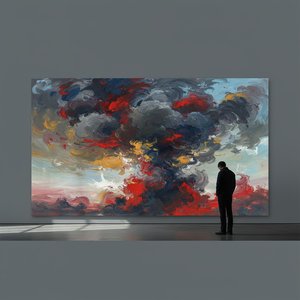
Beyond Representation: Exploring the Emotional Landscape of Abstract Expressionism
Explore the profound emotional world of Abstract Expressionism with AllPaintingsStore. Discover key artists like Pollock & Rothko, learn about collecting, and find museum-quality reproductions to inspire your space.

The Soul of Color: A Journey into the Emotional Resonance of Lyrical Abstraction
Embark on a cultural journey through Lyrical Abstraction. Explore how masters like Kandinsky used color and motion to translate emotion into visual poetry. Discover the profound beauty of abstract expressionism and learn to curate emotional resonance in your own art collection.

