


 Vaata sisu
 Jaga teost
 Jaga
Jaga
 Detailid
 Õppekate juhend

 Laadi alla
 Sarnased teosed
 Röntgenuuring
 Slaidietendus
 Statistika
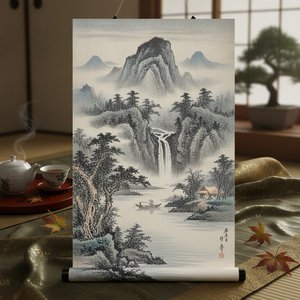
Bird
 Japanese Traditional
 701
701 18.0cm x 26.0cm
 Loe lähemalt
Käsitsi valmistatud õlimaalireproduktsioon
Meie kunstnike poolt tellimusel valmistatud käsitsi maalitud õli-kainaste teos teie soovitud suuruses ja raamis. ( Lülita trükkitoodetele Ülemineku digitaalse pildi müügi kanalisse)




































Vali meie eelmääratud suurused, mis vastavad teose algupärastele proportsioonidele.

Sisestage vajalik laius ja kõrgus, et teos sobiks teie raamile või seinale. Kuna tegu on käsipainatud teosega, siis erineva kujuga suuruse korral võib kunstnik jätta pildi ümber veidi rohkem marginaali või lõigata osa ära — valik on teie. Enne maali alustamist saadame teile kinnitamiseks digitaalse näidisprojektsiooni. Sellel lehel näidatud pilt ei kajasta tegelikku tulemust — seda näitab ainult näidisprojekttsioon.
Pärast tellimust saadab AllPaintingsStore.com meeskond kliendile e-posti juhised ning esitab eelvaate kavandi
Maailmline tarne 3–4 nädala jooksul tavalise 5 nädala asemel. (25 oktoober). Kvaliteedis kompromisse ei tehta.

Tasuta ekspresssaatmine üle maailma

Kõrgekvaliteediline lina-kangastest muld

Täielik transpordikindlustus

Tollimaksude tagastamise garantii

Värvitoime täpsuse garantii

100 päeva tagastusõigus (ainult defektide korral)

100% raha tagasi garantii

Hulgusoodustus
 Klaasivalik on saadaval ainult kuni 110 cm suuruses teostes

Bird
Reproduktsiooni materjal
Reproduktsiooni mõõtmed
-


Lõppsumma
€ 226
Sarnased teosed


Kunstniku elulugu
A Life Woven in Lacquer and Verse: The World of Ogawa Haritsu
Ogawa Haritsu, also known as Ritsuō, was a figure who embodied the multifaceted spirit of Edo-period Japan. Born in 1663 in what is now Tokyo, his life unfolded during a time of relative peace and flourishing arts under the Tokugawa shogunate. While biographical details remain somewhat elusive—a common trait for artists of this era whose fame rested more on their creations than documented personal histories—Haritsu’s legacy speaks volumes through the exquisite works he left behind. He wasn't merely an artist; he was a polymath, equally adept with brush and ink as he was with lacquer and ceramic, a testament to the breadth of artistic training available to those within the samurai class.
The Versatile Hand: Painting, Poetry, and Lacquer Mastery
Haritsu’s talent wasn't confined to a single medium. He excelled in painting, particularly in the sumi-e style—the art of ink wash painting that emphasizes simplicity, spontaneity, and capturing the essence of nature. His poetry, though less widely known today than his visual works, reveals a sensitivity and depth of observation that clearly informed his artistic vision. However, it is for his lacquerware that Haritsu achieved lasting renown. He didn’t simply apply lacquer; he transformed it into breathtaking objects of art. His pieces often incorporated ceramic elements, showcasing an innovative approach to materials and techniques. This fusion wasn't merely decorative; it represented a deliberate exploration of texture, form, and the interplay between different artistic disciplines.
Blending Tradition with Innovation
The Edo period saw a continuation of established Japanese aesthetic principles—a reverence for nature, asymmetry, and subtle beauty. Haritsu deeply understood these traditions, but he wasn’t content to simply replicate them. He infused his work with a spirit of innovation, experimenting with new forms, techniques, and combinations of materials. His lacquerware, in particular, stands out for its intricate designs and the masterful use of maki-e (gold dust sprinkling) and other elaborate decorative methods. He moved beyond purely functional objects, creating pieces that were intended as works of art in their own right—a reflection of the growing appreciation for artistic expression during his lifetime.
A Lasting Legacy: Haritsu’s Influence on Japanese Art
Haritsu's contributions to Japanese art extended beyond the beauty of individual objects. He helped elevate lacquerware from a craft to a high art form, influencing generations of artists who followed in his footsteps. His blending of different artistic disciplines—painting, poetry, and industrial arts—demonstrated a holistic approach to creativity that resonated with many contemporaries and continues to inspire today. While he didn’t found a formal school or establish a large workshop, the impact of his style can be seen in the works of other Edo-period artists who embraced similar principles of innovation and craftsmanship.
Rediscovering Haritsu: A Modern Appreciation
Though celebrated during his lifetime, Haritsu's work experienced periods of relative obscurity after his death in 1747. In recent decades, however, there has been a renewed appreciation for his artistry. Museums and collectors alike have recognized the significance of his contributions to Japanese art, leading to increased scholarship and exhibitions dedicated to his life and works. His pieces offer a glimpse into the refined aesthetic sensibilities of Edo-period Japan—a world where beauty was found in simplicity, craftsmanship was valued above all else, and artists like Ogawa Haritsu dared to push the boundaries of tradition while remaining deeply rooted in its essence.

Ogawa Haritsu (Ritsuō)
1663 - 1747 , Japan
Lühikest infot
- Full Name: Ogawa Haritsu (Ritsuō)
- Nationality: Japanese
- Date Of Birth: 1663
- Date Of Death: 1747
- Place Of Birth: Tokyo, Japan
- Notable Artworks: ['Bird']
- Artistic Movement Or Style: Edo Period Art
Sarnased artiklid

Watercolor Wonders: 10 Masterpieces That Redefined Art History | AllPaintingsStore
Journey through 10 legendary watercolor masterpieces by Sargent, Turner & Homer! Explore iconic landscapes, portraits & floral art that redefined history. Find museum-quality reproductions and curated decor ideas at AllPaintingsStore.com.

Ephemeral Visions: Exploring the Artistic Legacy & Contemporary Practice of Watercolor Painting
Explore the captivating world of watercolor painting! Discover its rich history, essential techniques, influential artists & collecting tips. A comprehensive guide for art enthusiasts from AllPaintingsStore.

Ephemeral Visions: Exploring the Artistic Legacy & Nuances of Watercolor Painting
Explore the captivating world of watercolor painting! Discover its rich history, essential techniques, influential artists & collecting tips from art experts. A comprehensive guide for enthusiasts.

Ephemeral Visions: Exploring the History & Emotional Resonance of Watercolor Painting
Explore the captivating history of watercolor painting, from ancient techniques to modern masters like Kandinsky & Blake. Discover essential artists, collecting tips & the emotional power of this luminous medium. Expert insights for art enthusiasts.
Serenity on Canvas: A Guide to the Timeless Beauty of Japanese Landscape Painting
Discover the serene beauty of Japanese landscape painting. From Hokusai's iconic woodblock prints to meditative sumi-e ink washes, explore a visual journey through the 'floating world' and learn how to bring this timeless Zen aesthetic into your modern home decor.

