

Oil On Canvas.

§ 1Kataloogandmed


§ 2Abstraktne
Kogumisobjekti kirjeldus
Cézanne's 'Bathers (Hermitage)' exemplifies Post-Impressionism with its innovative use of color and form, bridging Impressionism & Cubism. Explore the masterpiece!
 Loe lähemalt
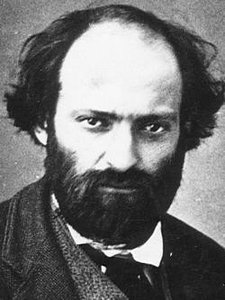
Kunstniku elulugu
Avasta Paul Cézanne (1839-1906): Postimpressionistlik pioniir, kes ühendas impressionismi ja kubismit. Tutvu geomeetriliste kujudega, stillelifidega ja tema püsiiväljaga kaasaegses kunstis! #Cezanne #Postimpressionism
§ 3Kommentaar
Subject and Composition of "Bathers (Hermitage)"
"Bathers (Hermitage)," painted by Paul Cézanne around 1891-1892, depicts a group of nude male figures relaxing in a natural setting. The composition is characterized by its deliberate arrangement of forms rather than a realistic portrayal of the scene. Five bathers are present: one standing prominently on the left, another on the right, and three seated or reclining between them. Cézanne's focus isn’t on narrative; instead, he explores the interplay of shapes, volumes, and planes within the landscape. The figures are integrated into the environment—trees rise behind them, birds fly overhead, and a sense of tranquility pervades the scene.
Style and Technique: Post-Impressionism's Geometric Approach
This artwork exemplifies Cézanne’s distinctive style within the Post-Impressionist movement. Departing from Impressionism’s emphasis on fleeting moments and optical effects, Cézanne sought to represent underlying structures and forms. He employed a technique of building up the image through short, visible brushstrokes, creating a textured surface that emphasizes the materiality of paint. The colors are not blended smoothly but rather applied in distinct planes, contributing to the painting’s geometric quality. Cézanne's approach can be seen as a precursor to Cubism, influencing artists like Picasso and Braque who would further deconstruct forms into abstract shapes.
Historical Context: Bridging Impressionism and Modern Art
“Bathers (Hermitage)” was created during a pivotal period in art history. The late 19th century witnessed the decline of traditional academic painting and the rise of new artistic movements challenging established conventions. Cézanne, along with artists like Van Gogh and Gauguin, pushed beyond Impressionism’s focus on capturing light and color to explore more subjective and expressive forms of representation. This work reflects a shift towards abstraction and a greater emphasis on the artist's individual vision—a key characteristic of modern art. The series of "Bathers" paintings was Cézanne's attempt to create a monumental, timeless depiction of human figures in nature, inspired by classical sculpture but reinterpreted through his unique lens.
Symbolism and Emotional Impact
While seemingly straightforward in its subject matter, “Bathers (Hermitage)” carries layers of symbolic meaning. The nude male figures evoke themes of vitality, physicality, and the connection between humanity and nature. Cézanne’s deliberate distortion of perspective and his emphasis on geometric forms create a sense of timelessness and universality. The painting's emotional impact is subtle yet profound—it invites viewers to contemplate the relationship between form and feeling, representation and reality. It evokes a sense of calm contemplation and appreciation for the beauty of the natural world.
Korduvad küsimused
Kas ma saan näha teost „Bathers (Hermitage)“, autor Paul Cézanne erinevates valgustingimustes?
Teost "Bathers (Hermitage)" saab uurida kiht kihti teose Röntgenuuring lehel, mis on restauraatori valgelaudast inspireeritud interaktiivne vaatur, pakkudes kujundist üksteist optilist lugemist.
Kust saan osta teose „Bathers (Hermitage)“, autor Paul Cézanne käsitsi maalatud reproduktsiooni?
Teose „Bathers (Hermitage)“, autor Paul Cézanne käsitsi maaldatud reproduktsiooni saab tellada otse selle Käsitsi maalatud reproduktsioon lehelt: käsitsi maalatud õlireproduktsioon linaelapale, valmistatud tellimusest.
Kas teosele „Bathers (Hermitage)“, autor Paul Cézanne on saadaval diapositatsioon?
Teost „Bathers (Hermitage)“, autor Paul Cézanne saab vaadata diapositena teose Pildikava lehel.


 Lülita trükkitoodetele


 Kunstiteoste või reproduktsioonide puhul, mille üks külg on üle 105 cm (umbikmolt 41 tolli), saadetakse raam kirjal asendis, la Dismantlitud komplektina. See meetod tagab ohutuse kohaletoimetamisel ja väldib transpordil tekkivaid kahjustusi.


