


 Vaata sisu
 Jaga teost
 Jaga
Jaga
 Detailid
 Õppekate juhend

 Laadi alla
 Sarnased teosed
 Röntgenuuring
 Slaidietendus
 Statistika
The Devil


 Loe lähemalt
Giclée / Kunstiprint
Muuseumikvaliteediga giclée- või kangasprint kiire tootmisega ja paindlikud viimistlusvõimalused. ( Telli käsitsi maalitud reproduktsioon Ülemineku digitaalse pildi müügi kanalisse)




P118B €10

P118H €10

P118W €10

P438Z €10

P508JH €12

P508YH €12

P805H €10

P805Z €10

P919BZ €10

P919G €10

P919XJ €10

P959ZH €10

P968JZ €12

W106C €8

W218G €10

W218JH €8

W218Y €10

W307PJ €10

W316G €10

W316PJ €8

W316Y €10

W398PJ €8

W4111J €10

W500HY €15

W500JH €15

W692G €12

W849H €8

W940BG €15

W953PJ €8




Vali meie eelmääratud suurused, mis vastavad teose algupärastele proportsioonidele.

Sisestage vajalik laius ja kõrgus, et see sobiks teie raamile või seinale. Trükki saab ainult lõigata, seda ei saa kunagi pildist suuremaks teha, seega ka differentse vormiga suurus kaotab osa pildist. Enne trükkimist saadame teile kinnitamiseks digitaalse näidisprojektsiooni. Sellel lehel näidatud pilt ei kujuta reaalset lõiget — seda näitab ainult näidisprojekttsioon.
Ülemaailmne tarne () 2 nädala jooksul, tavalise 4/5 nädala asemel. (23 oktoober)

Tasuta ekspresssaatmine üle maailma

Kõrgekvaliteediline lina-kangastest muld

Täielik transpordikindlustus

Tollimaksude tagastamise garantii

Värvitoime täpsuse garantii

100 päeva tagastusõigus (ainult defektide korral)

100% raha tagasi garantii

Hulgusoodustus
 Klaasivalik on saadaval ainult kuni 110 cm suuruses teostes

The Devil
Giclée / Kunstiprint
Reproduktsiooni mõõtmed
-


Lõppsumma
€ 56
A Journey Across Time: The Allure of Peter Birmann's Masterpiece
To gaze upon this depiction is to be transported across the rugged spine of the Alps, to stand at the precipice where human endeavor meets untamed nature. Peter Birmann’s painting, titled simply The Devil, captures more than just a scene; it encapsulates a moment suspended between myth and reality. The composition centers around a magnificent stone bridge, an architectural marvel spanning a powerful river, all set against a dramatic backdrop of towering mountains. It is a vision of bustling life—a confluence of human passage, animal industry, and the enduring power of the landscape itself.
Narrative Detail and Technical Brilliance
The sheer detail within this work is breathtaking. One can almost hear the clatter of the train crossing the structure, feel the spray of the river below, and observe the purposeful movement of the figures gathered upon the stone walkway. The inclusion of people alongside two sturdy horses adds a dynamic layer to the scene, suggesting a journey in progress—a vital artery connecting disparate worlds. Birmann’s technique allows these elements to coexist harmoniously; the meticulous rendering of the stonework contrasts beautifully with the soft textures suggested in the distant peaks. This masterful handling of light and shadow gives the entire composition an almost palpable depth, inviting the viewer to lose themselves within its narrative folds.
Symbolism Woven into the Landscape
The title itself, The Devil, imbues the seemingly pastoral scene with profound symbolic weight. The bridge, in art history, is a potent symbol of transition—a passage from one state of being to another. Here, crossing this structure over the rushing water suggests traversing boundaries, perhaps between civilization and wilderness, or even between life and fate itself. The presence of such powerful natural elements juxtaposed with the organized movement of man and machine hints at humanity’s eternal negotiation with forces greater than itself. It is a meditation on passage, risk, and the journey of the soul.
Historical Echoes and Enduring Appeal
Dating to 1805, this painting emerges from an era steeped in Romantic fervor, where the sublime power of nature often overshadowed Enlightenment rationality. Birmann captures that tension perfectly. For the modern collector or designer, owning a reproduction of this piece is not merely acquiring art; it is curating a narrative centerpiece for your home. It speaks to a timeless appreciation for grand vistas and the drama inherent in human enterprise against an epic backdrop. Whether placed in a study evoking scholarly contemplation or a great hall demanding dramatic flair, its energy remains undiminished.
Küsimused ja vastused
Kui eraldavad teose "The Devil" värvid?
Teose "The Devil" värvitoon on kroomi方面 Balanced Soft ja intensiivsuse方面 Balanced.
Kuidas teos "The Devil" tõmbab korduvalt välja valgus ja pimendus?
Teose „The Devil“, autor Peter Birmann eregus on balanced ja luminants on Soft Shadow.
Millist tunnet edastab „The Devil“, autor Peter Birmann?
Teose „The Devil“, autor Peter Birmann edastatud meeleolu on Romantic ning selle emotsionaalne toon on Dramatic.
Sarnased teosed


Sarnased artiklid

Evocations of Place: A Historical Journey Through Landscape Art
Explore the rich history of landscape art with AllPaintingsStore. Discover renowned artists, movements like Impressionism & Romanticism, and expert guidance for collecting timeless pieces. Find your perfect serene escape today!
John Constable: 25 Suurimat Teost Inglise Maastikumaali Tippu
Avastage John Constable'i 25 suurimat teost! Sukeldu inglise maastikumaali romantismisse, imetlege Dedham Vale ilu ja leia inspiratsiooni kodukaunistuseks. Kvaliteetsed kunstireprodutsioonid AllPaintingsStore.com-is. Vaata kohe!
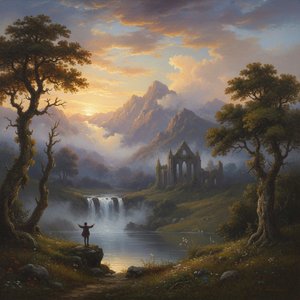
Evoking Emotion & Transcendence: Romantic Landscape Painting (18th-19th Century)
Explore the emotional depth of Romantic landscape painting (18th-19th century). Discover key artists like Friedrich & Cole, and the concepts of the sublime. Expert insights for art lovers & collectors.
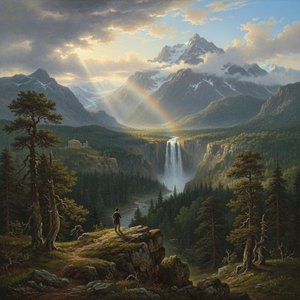
Evoking Nature's Sublime: A Comprehensive Exploration of 19th-Century Landscape Painting
Explore the captivating world of 19th-century landscape painting! Discover renowned artists like Friedrich & Monet, key movements, and find the perfect artwork to bring nature's serenity into your home. Expert insights at AllPaintingsStore.

Romantilise Maastikukunsti 10 Meisterteost: Kunstiteosed Koduks AllPaintingsStore.com'ist
Avastage 10 romantilise maastikukunsti meistriteost! Tutvuge Caspar David Friedrichi, J.M.W. Turneri ja teiste suurte kunstnike loominguga AllPaintingsStore.com-is. Leidke täiuslik õlimaal või reproduktsioon koduks – inspireeriv kollektsioon ootab!

