


 Eelvaade
 Saada
Saada Jaga
Jaga
 Teave teose kohta
 Juhend

 Laadi alla
 Sarnased teosed
 Röntgenuuring
 Slaidietendus
 Statistika
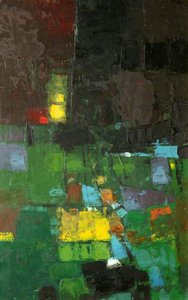
Winter pier
 Loe lähemalt
Hankige trükiivaldatav fail, mis on kvaliteedilt palju parem kui veebilehel näidatud eelvaade. Kõik meie müüdavad digitaalsed pildid pärinevad meie arhiivist kõrge resolutsiooniga originaalfailidest — tavaliselt 5000 kuni 15 000 pikslit laiust — nii et saate julgelt trükida suurematsat, lüüdist teha või detailset sisu reproduktsiooni teha.
Meie stuudiost ei lahtu ükski fail puutumatuna. Digiekpert võrdleb värve algsest maalistimusega ja vajadusel korrigeerib neid, seejärel parandab selgust ja detaile professionaalsete retušimisvahendite abil — püüdes alati jääda truudeks kunstniku pintoonile ja stiilile. Tulemuseks on pilt, mis näeb välja nagu maali, mitte nagu filtreeritud skann.
Teet kinnituse enne lõplikku valmimist: meie ekspert saadab pildi 72 tunni jooksul e-posti ülevaatamiseks. Ei ole rahul? Paluge parandusi või korrektsioone ning kui kvaliteet ei vasta ootustele, võite paluda tagastamist.
See on kvaliteet, millele tuguvad väljaandjad, disainistuudiod, galeriid ja trükikoda.
Digitaalne kunstiteos
Laadi alla kõrge resolutsiooniga fail isiklikuks vaatamiseks, trükkimiseks ja loomingulisteks projektideks. ( Lülita trükkitoodetele Osta käsitsi maalatud teos)
Sisse kuulub iga digitaalse pildi tellimusega
Eksperdi digitaalne kohaletoimetamine, garanteeritud
Valides AllPaintingsStore.com, ei saa sa lihtsalt pilti – saad professionaalselt parandatud digitaalse teose, mida on valmistatud täpsusega ja mis on toetatud rahuldamatusgarantiiga. Siin on kõik, mis sinu tellimusega automaatselt kaasneb:

Kiire digitaalne edastus
Teie kõrge resolutsiooniga digitaalne pildifail saadetakse teile e-posti 72 tunni jooksul pärast tellimist – kohe kasutamiseks valmis.

Tehisintellektiga täiustatud digitaalne fail
Teie teos on professionaalselt optimeeritud arenenud tehisintellekti tööriistade ja käsitsi redigeerimise abil, tagades maksimaalse detailitaseme, selguse ja värvitäpsuse.

Tasuta eluaegne uuesti saatmine
Kas kustutasid faili kogukalu unustamisel või kustutamisel? Puudub mure – saad selle uuesti igal ajal ilma lisatasuta.

Puuduvad importimaksud – alati
Nautige oma teoseid koheselt ilma tolli-, maksude või tarnimaskuludeta – digiletchargused on alati maksuvabadud.

Värvitäpsuse garantii
Me tagame, et teie digitaalne pilt kajastaks originaali värve professionaalsete tööriistade ja värvihalduse abil võimalikult täpselt.

100 päeva rahuldamatuse garantii
Kui te ei ole oma digitaalse pildi eest rahul, siis me parandame seda või tagastame 100% summast 100 päeva jooksul – küsimusteta.

100% raha tagastamise garantii
Ei ole rahul? Saate täielise tagastaja 100 päeva jooksul pärast digitaalse faili kättesaamist – ilma küsimusteta.

Suurema tellimuse soodustused
Osta 3 pilti, säästa 10% - Osta 5, säästa 15% - Osta 10+, säästa 20%. Sobib suurepäraselt loomingulisteks projektideks, galeriideks ja agentuurideks.
Sarnased teosed




Kunstniku elulugu
The Master of the Miniature: The Life and Legacy of Peter Oliver
In the intimate, jewel-like world of seventeenth-century portraiture, few names evoke as much delicate precision as Peter Oliver. A pivotal figure in the burgeoning English miniature art movement, Oliver emerged during a period of profound religious and political transformation. While the broader art world often grappled with the dramatic shifts of the Reformation, Oliver remained a steadfast guardian of refined traditions. Born around 1594, his early years were shaped by the shadows of great masters, yet he would eventually step out from those shadows to become one of the most highly compensated and sought-after artists at the court of Charles I.
The foundation of Oliver’s extraordinary skill was laid through a rigorous apprenticeship under his father, Isaac Oliver, a celebrated French-born English painter. This lineage provided Peter with more than just technical instruction; it bequeathed to him a deep reverence for Flemish techniques and the meticulous layering of glazes. Through this method, he learned to manipulate light and shadow on a microscopic scale, creating surfaces that seemed to possess a subtle, breathing vitality. Unlike many of his contemporaries who were drawn to the exaggerated flourishes of Mannerism, Peter Oliver championed the Renaissance ideals of clarity, elegance, and an unwavering commitment to accurate representation.
A Window into the Soul: Technique and Subject Matter
The true magic of Oliver’s work lies in his ability to transcend the physical limitations of the miniature medium. Though his canvases were often no larger than a palm, they contained vast psychological landscapes. His workshop was a site of incredible productivity, yielding an estimated 350 portraits that served as much more than mere visual records. To hold an Oliver miniature is to encounter a person’s very essence; he possessed a rare gift for capturing nuanced expressions and the quiet dignity of his subjects. Whether depicting the regal poise of the royal court or the steady gaze of wealthy merchants, his brushwork conveyed a profound understanding of human character.
His artistic repertoire was characterized by several defining elements:
- Psychological Depth: Moving beyond simple likeness to capture the internal temperament and emotion of the sitter.
- Technical Mastery: The use of delicate glazes to create a sense of three-dimensional modeling on a flat, small surface.
- Historical Continuity: A dedication to preserving the sophisticated aesthetic traditions of the Huguenot and Flemish schools within an English context.
- Social Commemoration: Creating enduring symbols of status for the nobility, diplomats, and the rising merchant class.
The Twilight of a Golden Age
As the mid-seventeenth century progressed, the political landscape of England grew increasingly turbulent, yet Oliver’s dedication to his craft remained unshakeable. He resided in Isleworth, continuing to refine his ability to document the faces of an era that was on the brink of monumental change. His work stands today not merely as a collection of beautiful objects, but as a vital historical archive. Through his portraits, we glimpse the faces of those who navigated the complexities of the Stuart era—individuals whose social standing and personal identities were immortalized through his meticulous hand.
Though history occasionally casts him in the shadow of his father’s fame, modern scholarship has rightfully reclaimed Peter Oliver as a master in his own right. He was an artist who bridged the gap between the classical elegance of the Renaissance and the burgeoning portrait traditions of the English Baroque. His death, recorded around 1647 or 1648, marked the end of a prolific career that had successfully woven together French tradition, Flemish technique, and English sensibility into a singular, luminous legacy.

Peter Oliver
1594 - 1648
Lühikesed faktid
- Artistic Movement Or Style: Huguenot Art Style
- Artists Or Movements Influenced By This Artist: ['Renaissance Portraits']
- Artists Who Influenced This Artist: ['Isaac Oliver']
- Date Of Birth: 1594
- Date Of Death: 1648
- Full Name: Peter Oliver
- Nationality: English
- Notable Artworks:
- Portrait of Robert Dudley
- Portrait of William Cecil
- Place Of Birth: London, England

