- Avaleht

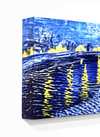
- Õlimaalireproduktsioon
- Pieter Bruegel Van Aalst
- Peasant Wedding (detail)

 Telli trükis Osta digipilt
 Saada
Saada
 Jaga
Jaga
 Teave teose kohta
 Lisa lemmikutesse

 Laadi alla
 Sarnased teosed
 Röntgenuuring
 Slaidietendus
Peasant Wedding (detail)


 Loe lähemalt
Käsitsi valmistatud õlimaalireproduktsioon
Meie kunstnike poolt tellimusel valmistatud käsitsi maalitud õli-kainaste teos teie soovitud suuruses ja raamis.
P118B $10
P118H $10
P118W $10
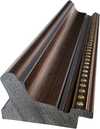
P438Z $10
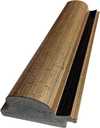
P508JH $12
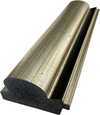
P508YH $12
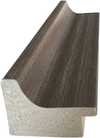
P805H $10
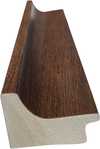
P805Z $10
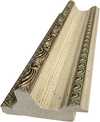
P919BZ $10
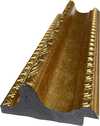
P919G $10
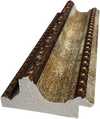
P919XJ $10
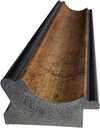
P959ZH $10
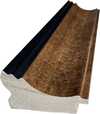
P968JZ $12
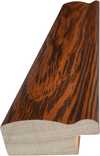
W106C $8
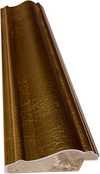
W218G $10

W218JH $8
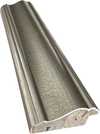
W218Y $10
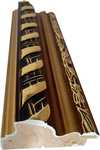
W307PJ $10

W316G $10
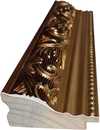
W316PJ $8
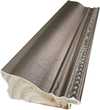
W316Y $10
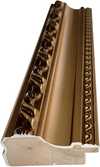
W398PJ $8

W4111J $10
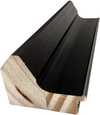
W500HY $15
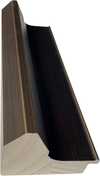
W500JH $15
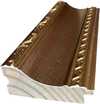
W692G $12
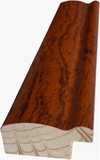
W849H $8
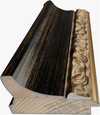
W940BG $15
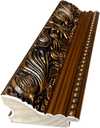
W953PJ $8
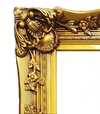
Vali meie eelmääratud suurused, mis vastavad teose algupärastele proportsioonidele.

Sa võite sisestada oma mõõtmed konkreetse raami või ruumi sobivuse tagamiseks. Kui teie valitud suurus ei vasta originaalpildi proportsioonidele, siis kärvime kunstiteost või laiendame maali täiendavate käsitsi maalitud elementidega. Enne tootmise algust saadetakse teile heakskiitmiseks digitaalne eelvaade.
Palun pidage meeles, et ekraanil kuvatav eelvaade ei kajasta tegelikku kärpimist või laiendamist. Ainult eelvaade näitab täpselt lõplikku kompositsiooni.
Kuigi on saadaval kohandatud suurused, soovitame originaalproportsioonide säilimiseks valida mõõdud eelmääratletud nimekirjast.
Pärast tellimust saadab AllPaintingsStore.com meeskond kliendile e-posti juhised ning esitab eelvaate kavandi.
Maailmline tarne 3–4 nädala jooksul tavalise 5 nädala asemel. (16 juuli). Kvaliteedis kompromisse ei tehta.

Tasuta ekspresssaatmine üle maailma

Kõrgekvaliteediline linakangas

Täielik transpordikindlustus

Tollimaksude tagastamise garantii

Värvitoime täpsuse garantii

60-päevane tagastusõig: ainult tootmisdefektide korral

100% raha tagasi garantii

Hulgusoodustus
 Klaasivalik on saadaval ainult suuruses kuni 110 cm

Peasant Wedding (detail)
Reproduktsiooni tehnika
Reproduktsiooni suurus
-


Kogusumma
-
Teose kirjeldus
A Window Into Flemish Life: Pieter Bruegel’s ‘Peasant Wedding’
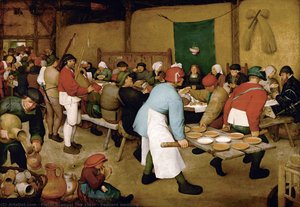
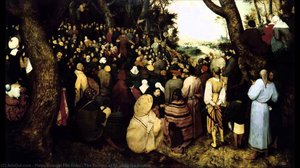
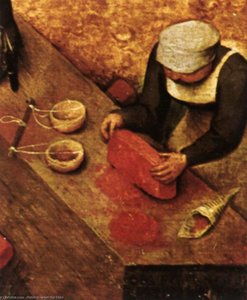
Pieter Bruegel the Elder's “Peasant Wedding,” completed in 1568, isn’t merely a depiction of a festive occasion; it’s a masterful snapshot of sixteenth-century Flemish society—a testament to both its vibrancy and its underlying moral complexities. Painted on wood panel with oil pigments, this monumental artwork transcends simple observation, inviting viewers into a meticulously crafted panorama that speaks volumes about the era's values and anxieties. Its enduring appeal lies in Bruegel’s unparalleled ability to capture the essence of human experience through visual storytelling.Composition and Technique: A Symphony of Detail
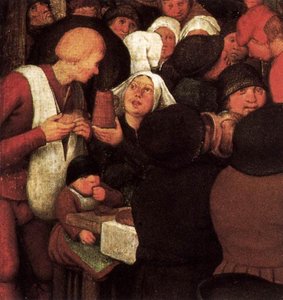
The painting’s genius resides in its ambitious scale—measuring approximately 1640 x 1140 centimeters—and Bruegel's revolutionary technique known as *impasto*. Thickly applied paint creates palpable textural surfaces, emphasizing the physicality of the scene and lending it an immediacy that distinguishes it from earlier Renaissance styles. Observe how Bruegel skillfully employs light and shadow to sculpt forms, guiding the eye across the crowded banquet table and highlighting individual figures within the larger composition. The artist’s meticulous attention to detail—from the earthenware jugs brimming with beer to the carefully arranged pies—demonstrates a profound understanding of craftmanship and contributes significantly to the painting's immersive quality.Historical Context: Reformation Shadows
“Peasant Wedding” emerges from the turbulent backdrop of the Protestant Reformation, a period marked by religious division and social upheaval across Europe. While Bruegel avoids overtly didactic pronouncements, the scene subtly reflects anxieties surrounding societal order and moral conduct prevalent during this time. The depiction of a wedding feast—a cornerstone of Flemish tradition—represents not just celebration but also continuity and lineage – values deeply rooted in Catholic faith. However, amidst the merriment, Bruegel introduces elements of unease: the solemn bride, the watchful gaze of the groom, and the pervasive sense of crowdedness hint at underlying tensions within the community.Symbolism: More Than Meets The Eye
Beyond its surface realism, “Peasant Wedding” is laden with symbolic significance. The abundance of food—particularly pies—represents prosperity and indulgence, yet it’s juxtaposed against scenes of poverty and hardship glimpsed in the periphery. The prominent placement of shoes – a detail often interpreted as referencing the German proverb "auf großem Fuß leben" (to live in great style)—underscores the painting's commentary on social status and aspiration. Furthermore, scholars debate whether Bruegel intended to convey moral lessons through his portrayal of human behavior—a discussion fueled by ongoing research into the artist’s motivations and influences.Emotional Impact: A Timeless Reflection
Ultimately, “Peasant Wedding” resonates powerfully with viewers centuries after its creation. Its vibrant colors, dramatic lighting, and densely populated composition evoke a palpable sense of atmosphere—transporting us back to sixteenth-century Flanders. The painting captures not just the outward spectacle of a wedding celebration but also the inner complexities of human relationships and societal dynamics. It serves as an enduring reminder that even amidst joyous festivities, Bruegel’s gaze remains critical, prompting contemplation on themes of morality, social responsibility, and the passage of time—a timeless masterpiece that continues to inspire awe and provoke interpretation.Sarnased teosed




Kunstniku elulugu
Pieter Bruegel the Elder – Renaissance Master of Landscapes and Peasant Life
Pieter Bruegel the Elder stands as a pivotal figure in the transition from High Renaissance idealism to Northern European realism, cementing his place among the most influential artists of the sixteenth century. Born sometime between 1525 and 1530, likely in Breda – though precise details concerning his early life remain shrouded in obscurity – Bruegel’s formative years unfolded amidst a period of significant religious upheaval and burgeoning mercantile prosperity within the Netherlands. He embarked on his artistic journey around 1545 as an apprentice to Pieter Coecke van Aelst, a respected Antwerp painter recognized for both his artistic prowess and his contributions to tapestry design. This apprenticeship provided Bruegel with foundational technical skills in oil painting and drawing, but crucially exposed him to the humanist currents reshaping intellectual discourse – a divergence from the dominant stylistic trends of Italy at the time.Early Influences and Artistic Training
Van Aelst’s workshop wasn't merely an institution for artistic instruction; it served as a crucible where established techniques confronted emerging ideas, profoundly shaping Bruegel’s future creative vision. The apprenticeship fostered not only technical proficiency but also broadened Bruegel’s understanding of the broader cultural landscape. Following his training, Bruegel undertook extensive travels between 1551 and 1553, traversing France, Switzerland, and Italy. These expeditions weren't mere touristic excursions; they constituted deliberate explorations aimed at absorbing artistic influences from masters like Leonardo da Vinci and Raphael – though Bruegel’s temperament remained distinctly Northern European. He didn’t simply emulate Italian styles but rather internalized their essence and transmuted it through his own singular aesthetic sensibility. The Alps, with their imposing peaks and valleys, indelibly imprinted themselves upon his compositional sensibilities and informed the atmospheric perspective characteristic of many subsequent landscapes.A Departure from Tradition: Exploring Everyday Life
Bruegel’s true artistic breakthrough resided in his subject matter – a bold departure from the prevailing preoccupation with religious iconography and classical mythology prevalent in Renaissance painting. Instead, he turned his gaze toward the commonplace realities of rural existence: peasants laboring diligently in fields, villagers celebrating festive occasions, hunters traversing wintry landscapes. This wasn't an outright rejection of traditional themes but rather an elevation of the mundane to the level of artistic grandeur – a distinction that distinguished Bruegel from many of his contemporaries. His landscapes weren’t merely scenic backgrounds; they actively participated in narrative unfolding, imbued with symbolic resonance and reflecting a deep appreciation for nature’s power and beauty. The Triumph of Death stands as a chilling depiction of mortality, populated by grotesque figures and conveying an inescapable sense of impending doom – a stark contrast to the idealized representations favored during the Renaissance. Similarly, paintings like Peasant Wedding offer remarkably nuanced portrayals of rural customs and social dynamics, devoid of sentimental embellishment.Technique and Artistic Innovation: Mastering Chiaroscuro
Bruegel’s artistic mastery extended beyond subject matter; he possessed unparalleled skill in employing chiaroscuro – the dramatic interplay of light and shadow – to generate depth, realism, and emotional impact within his canvases. This technique wasn't merely a stylistic convention but rather an instrument for conveying profound psychological truths about human experience. His compositions weren’t necessarily didactic; they presented honest observations capturing both humor and hardship inherent in human life—a characteristic that resonated powerfully with audiences across centuries. He achieved this remarkable effect through meticulous attention to detail, painstakingly rendering textures and colors with astonishing accuracy.Legacy and Influence: Shaping the Dutch Golden Age
Pieter Bruegel the Elder’s influence on subsequent generations of artists is undeniable, particularly within the burgeoning Dutch Golden Age movement. His pioneering exploration of peasant life inspired painters like Isaac van Ostade and Adriaen Brouwer to depict rural scenes with unflinching realism—a stylistic shift that fundamentally altered artistic conventions. Furthermore, Bruegel's innovative approach to landscape painting paved the way for later developments in genre art, influencing artists who sought to capture the sublime beauty of the natural world. His enduring legacy extends beyond painting; his imagery continues to appear prominently in film adaptations such as Andrei Tarkovsky’s *Solaris* (1972) and Lars von Trier’s *Melancholia* (2011)—demonstrating the timeless relevance of Bruegel's artistic vision. He died in Brussels in 1569 at a relatively young age, leaving behind an oeuvre that remains celebrated for its psychological depth, stylistic originality, and profound engagement with the human condition—solidifying his position as one of the most transformative figures in art history.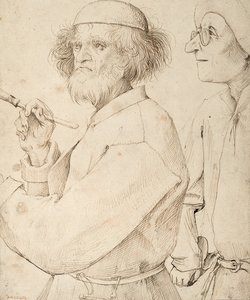
Pieter Bruegel Van Aalst
1525 - 1569 , Бельгия
Lühikesed faktid
- Artistic Movement Or Style: Renaissance painting
- Artists Or Movements Influenced By This Artist: ['Dutch Golden Age painting']
- Artists Who Influenced This Artist: ['Hieronymus Bosch']
- Date Of Birth: c. 1525
- Date Of Death: 1569
- Full Name: Pieter Bruegel the Elder
- Nationality: Flemish
- Notable Artworks:
- Landscape with the Flight into Egypt
- The Triumph of Death
- Peasant Wedding
- Hunters in the Snow
- Place Of Birth: Breda, Netherlands
Seotud artiklid

Teie fotod muutuvad käsitsi maalitud pärlaks: unikaalne kunstipärand, mis süvendab teie ühiselt alustatud elutööd
Avasta, kuidas AllPaintingsStore muudab teie fotod käsitsi maalitud pärlaks – ekspertkäsitöö, usaldusväärne kvaliteet ja isiklik konsultatsioon. Saad oma unikaalse kunstipärandi, mis süvendab pulma mälestusi ja lisab kodule luksust.

The Northern Renaissance: A Flourishing of Realism, Religious Reform & Artistic Innovation
Explore the Northern Renaissance! Discover Jan van Eyck's innovations, religious shifts, & key artists of this influential period. Expert analysis and insights into Early Netherlandish painting at AllPaintingsStore.

Early Netherlandish Masters: 10 Paintings That Revolutionized Art & Decor
Journey into the world of Early Netherlandish painting! Explore 10 masterpieces by Jan van Eyck, Rogier van der Weyden & more. Discover stunning detail, symbolism & Renaissance art for your home decor. Find museum-quality reproductions on AllPaintingsStore.com

Pieter Bruegel the Elder: A Master of Genre, Landscape & Social Commentary
Explore the life & art of Pieter Bruegel the Elder, a pivotal figure of the Renaissance. Discover his groundbreaking genre scenes, symbolic landscapes, and lasting influence on art history. Learn more at AllPaintingsStore.
The Patron's Gaze: Art Collectors in Western Painting – A Renaissance to Modern History
Explore the fascinating history of art collectors in Western painting, from Renaissance patrons to modern museum founders. Discover how portraits revealed status, shaped artistic movements & built lasting legacies. Expert insights at AllPaintingsStore.