


 Vaata sisu
 Jaga teost
 Jaga
Jaga
 Detailid
 Õppekate juhend

 Laadi alla
 Sarnased teosed
 Röntgenuuring
 Slaidietendus
 Statistika
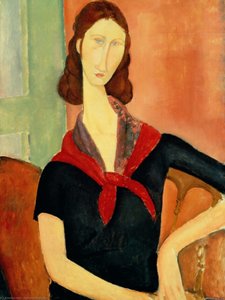
The Brown Gloves


 Loe lähemalt
Sellel lehel kuvatav kunstiteos on kaitstud autoriõigusega, mis tähendab, et meil ei ole seaduslikku õigust luua või müüa identset reproduktsiooni. Seda kaitset rakendatakse rahvusvaheliste kokkulepete alusel, nagu näiteks Berne konventsioon ning riiklike seadustega, sealhulgas nendega, mida on sätestatud USA autoriõiguse seadus – 17. peatükk.
See meetod järgib täielikult autoriõiguse reegleid, kuna see ei põhine kaitstud kunstiteose kopeerimisel või dupliteerimisel. Selle asemel on tegu loova reinterpreetatsiooniga – uue maaldisega, mis on algteosest inspireeritud, kuid ei ole sellest identiline.
Giclée / Kunstiprint
Muuseumikvaliteediga giclée- või kangasprint kiire tootmisega ja paindlikud viimistlusvõimalused. ( Telli käsitsi maalitud reproduktsioon Ülemineku digitaalse pildi müügi kanalisse)




































Vali meie eelmääratud suurused, mis vastavad teose algupärastele proportsioonidele.

Sisestage vajalik laius ja kõrgus, et see sobiks teie raamile või seinale. Trükki saab ainult lõigata, seda ei saa kunagi pildist suuremaks teha, seega ka differentse vormiga suurus kaotab osa pildist. Enne trükkimist saadame teile kinnitamiseks digitaalse näidisprojektsiooni. Sellel lehel näidatud pilt ei kujuta reaalset lõiget — seda näitab ainult näidisprojekttsioon.
Ülemaailmne tarne () 2 nädala jooksul, tavalise 4/5 nädala asemel. (24 oktoober)

Tasuta ekspresssaatmine üle maailma

Kõrgekvaliteediline lina-kangastest muld

Täielik transpordikindlustus

Tollimaksude tagastamise garantii

Värvitoime täpsuse garantii

100 päeva tagastusõigus (ainult defektide korral)

100% raha tagasi garantii

Hulgusoodustus
 Klaasivalik on saadaval ainult kuni 110 cm suuruses teostes

The Brown Gloves
Giclée / Kunstiprint
Reproduktsiooni mõõtmed
-


Lõppsumma
€ 56
Küsimused ja vastused
Mis on teose „The Brown Gloves“, autor Raphael Gleitsmann loomisaeg?
Teos "The Brown Gloves" on pärit aastast 1932. See ajastu aitab mõistust seda teost Raphael Gleitsmann karjääri ja selle ajastu kontekstis.
Kes tegi teose "The Brown Gloves" ja millal?
Raphael Gleitsmann loomis teose "The Brown Gloves" aastal 1932.
Kust leian juhendi teose "The Brown Gloves" kohta?
Teose „The Brown Gloves“, autor Raphael Gleitsmann Juhend leht pakub trükkideletavast kahele lehele jaotatud infolehte: teose koos identifiekatsiooniga, ajajooni, mis asetab selle kunstniku eluajale, muid kunstniku teoseid, mõõdetud väripaletti ning neljas stiilis kopeerimiseks valmis allatlusi.
Sarnased teosed



Kunstniku elulugu
Early Life and Artistic Beginnings in Akron
Raphael Gleitsmann, born in Dayton, Ohio in 1910, was a distinctly American artist whose life story is as compelling as the evocative imagery he created. He spent the vast majority of his years in Akron, Ohio, a city that would become both the backdrop and often the subject of his work. Unlike many artists of his generation, Gleitsmann was largely self-taught; his formal training was limited to instruction from Miss Calvin at Central High School and Paul Travis at the Cleveland School of Art. Unable to afford tuition, he cultivated relationships with faculty and students at the school, eventually gaining access to classes without official enrollment—a testament to his innate talent and dedication.
Gleitsmann’s early artistic endeavors focused on realistic depictions of life in Middle America during the Great Depression. These paintings weren't merely representations; they were idealized visions of a society grappling with hardship, imbued with a sense of quiet dignity and resilience. He captured the essence of everyday existence, portraying scenes that resonated with many Americans struggling through economic turmoil. This early period reveals an artist keenly observant of his surroundings, possessing a natural ability to translate lived experience onto canvas.
The Impact of War: A Shift in Perspective
The course of Gleitsmann’s artistic journey was profoundly altered by his service as a combat engineer during World War II, from 1943 to 1945. His experiences abroad were deeply traumatic, culminating in wounds sustained at the Rhine River—an event for which he received the Purple Heart. The horrors witnessed firsthand irrevocably changed his perspective and subsequently, his art. Upon returning home, Gleitsmann found himself unable to continue painting in the same vein as before.
The idyllic scenes of pre-war America gave way to haunting post-apocalyptic imagery—ruins, cemeteries, and landscapes scarred by conflict. These works were not simply depictions of destruction; they were explorations of loss, memory, and the fragility of civilization. He began to grapple with themes of attrition, time’s relentless march, and the psychological toll of war. This shift in subject matter was a direct response to his experiences, reflecting a profound internal transformation.
National Recognition and Artistic Evolution
Gleitsmann's post-war work garnered significant national attention, most notably when he won first prize at the 1948 Carnegie Institute exhibition of international contemporary painting. This victory was particularly noteworthy as it came against formidable competition, including Andrew Wyeth—a testament to the power and originality of his vision. The award brought him widespread acclaim and solidified his position within the American art landscape.
His unsettling yet captivating paintings contrasted sharply with the more optimistic attitudes prevalent in earlier generations of artists. Gleitsmann’s work forced viewers to confront uncomfortable truths about the human condition, prompting reflection on the consequences of conflict and the enduring scars it leaves behind. He experimented with abstraction and expressionism, moving away from strict realism to convey the emotional weight of his experiences.
Later Years and Legacy
Despite achieving critical success, Gleitsmann may have curtailed his artistic career around 1954. The intensity of the trauma he experienced during the war likely played a significant role in this decision; it’s speculated that continuing to revisit such harrowing themes became too emotionally taxing. While details surrounding his later life remain somewhat sparse, his impact on American art is undeniable.
Raphael Gleitsmann's work stands as a powerful testament to the transformative power of experience and the artist’s ability to translate personal trauma into universal statements about the human condition. His paintings offer a poignant glimpse into the anxieties and uncertainties of the post-war era, reminding us of the enduring cost of conflict and the importance of confronting difficult truths. He is remembered as an artist who dared to look beyond the surface, exploring the darker recesses of the human psyche with unflinching honesty.

Raphael Gleitsmann
1910 - 1995 , United States of America
Lühikest infot
- Full Name: Raphael Gleitsmann
- Nationality: American
- Date Of Birth: 1910
- Date Of Death: 1995
- Place Of Birth: Akron, United States of America
- Notable Artworks: ['The White Dam']
- Artistic Movement Or Style: Realistic, Expressionism

