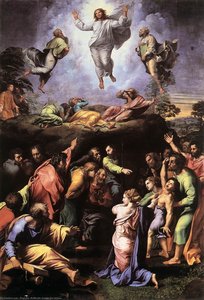
1507. Õli paneelil, 44.0 x 16.0 cm.

§ 1Catalogue data

- 44.0 x 16.0 cm


§ 2Abstract
Kogumisobjekti kirjeldus
Raphael’i ‘Teoloogilised Tuged’ (1507) ilmestub suurepäärase kompositsiooni ja sümboolika kujundusega, mis esindab usu, loodet ning armu. Avastus kõigi aegade suurmeisterlik kunstiteos!
 Loe lähemalt
Kunstniku elulugu
Raffaello (1483-1520) oli renessansiaegne meister, tuntud oma kaunite Maarjadega, arhitektuuri geniaalusega ja ikooniliste teostega nagu 'Ateenes Akadeemia'. Avasta tema algus Urbinos ja kunstiline pärand!
§ 3Commentary
Theological Virtues: A Renaissance Masterpiece by Raphael
- Title: Theological Virtues
- Artist: Raphael (Raffaello Sanzio Da Urbino)
- Date: 1507
- Style: High Renaissance
Composition and Symbolic Representation
“Theological Virtues” is a remarkable series of four panels painted by the celebrated Italian artist Raphael. This work, created in 1507, exemplifies the artistic ideals of the High Renaissance—a period characterized by balance, harmony, and meticulous detail. Each panel embodies one of the core theological virtues: Faith, Hope, Charity, and Wisdom. Raphael masterfully populates each scene with figures that eloquently represent these abstract concepts.
The panel representing Faith features two angels alongside a depiction of Christ, symbolizing unwavering belief. The Hope panel showcases an angel holding a cross and another bearing a book, conveying the promise of salvation and knowledge. Charity is portrayed with three angelic figures, one tenderly cradling a baby—a powerful symbol of selfless love and compassion. Finally, the Wisdom panel depicts an angel holding a scroll, representing divine understanding and guidance.
Artistic Techniques and Visual Harmony
Raphael’s exceptional skill in employing light and shadow is immediately apparent. He utilizes chiaroscuro—the dramatic contrast between light and dark—to create depth and dimensionality within the composition, drawing the viewer's eye through each scene. The subtle application of sfumato softens the figures, lending them an ethereal quality and enhancing their emotional resonance.
The color palette is carefully chosen to evoke a sense of serenity and spiritual elevation. Warm tones dominate, creating a welcoming atmosphere while highlighting the divine nature of the subjects. The meticulous attention to detail in rendering fabrics, facial expressions, and anatomical forms demonstrates Raphael’s mastery of technique and his commitment to realism within an idealized framework.
Historical Context and Influence
Painted during the Cinquecento Art Movement, a period of significant cultural and artistic flourishing in Italy, "Theological Virtues" reflects the era's embrace of humanism and classical ideals. Raphael’s work embodies these values through its balanced composition, harmonious proportions, and celebration of human potential within a spiritual context.
This masterpiece has had an enduring influence on subsequent art movements. Its principles of balance and harmony inspired Neoclassicism, while his innovative use of light and shadow influenced Baroque and Impressionist artists. Raphael’s legacy continues to inspire generations of artists and art enthusiasts alike.
Emotional Impact and Enduring Appeal
“Theological Virtues” is more than just a visually stunning work; it's an emotionally resonant exploration of fundamental human values. The serene expressions on the figures’ faces, combined with Raphael’s masterful use of light and color, evoke feelings of peace, hope, and spiritual contemplation.
This painting serves as a timeless reminder of the importance of faith, hope, charity, and wisdom—qualities that remain essential to human flourishing. Its enduring appeal lies in its ability to transcend time and culture, offering viewers a glimpse into the profound beauty and meaning of the human spirit.
Korduvad küsimused
Kas teos "Teoloogilised Tuged" on üldmuljelt pigem hele või tumene?
Teose „Teoloogilised Tuged“, autor Raphael registreeritud väärtused on: eregus vari ja luminants Pehme varjund.
Kas ma saan teost „Teoloogilised Tuged“, autor Raphael enne tellimist eelvaatata?
Teose „Teoloogilised Tuged“, autor Raphael eelvaade on saadaval teose Eelvaade lehel.
Mis vanuses loos Raphael teose "Teoloogilised Tuged"?
Kui teos "Teoloogilised Tuged" loodi aastal 1507, oli Raphael (sündinud aastal 1483) 24 aastane.


 Lülita trükkitoodetele


 Kunstiteoste või reproduktsioonide puhul, mille üks külg on üle 105 cm (umbikmolt 41 tolli), saadetakse raam kirjal asendis, la Dismantlitud komplektina. See meetod tagab ohutuse kohaletoimetamisel ja väldib transpordil tekkivaid kahjustusi.