- Avaleht

- Trükk lõendile
- René Magritte
- Landscape

 Eelvaade
 Saada
Saada Jaga
Jaga
 Teave teose kohta

 Laadi alla
 Sarnased teosed
 Röntgenuuring
 Slaidietendus
Landscape
 Acrylic On Canvas
- WallArt
- Surrealist Manifestation
 1920
1920- Modern
 83.0 x 64.0 cm
 Loe lähemalt
Giclée / Kunstiprint
Muuseumikvaliteediga giclée- või kangasprint kiire tootmisega ja paindlikud viimistlusvõimalused. ( Lülita käsitsi maalatud版本le Vaata pilti)




P118B $10

P118H $10

P118W $10

P438Z $10

P508JH $12

P508YH $12

P805H $10

P805Z $10

P919BZ $10

P919G $10

P919XJ $10

P959ZH $10

P968JZ $12

W106C $8

W218G $10

W218JH $8

W218Y $10

W307PJ $10

W316G $10

W316PJ $8

W316Y $10

W398PJ $8

W4111J $10

W500HY $15

W500JH $15

W692G $12

W849H $8

W940BG $15

W953PJ $8




Vali meie eelmääratud suurused, mis vastavad teose algupärastele proportsioonidele.

Saate sisestada oma mõõdud, et need sobiks konkreetse raami või ruumi sisse. Kui valitud suurus ei vasta originaalteose proportsioonidele, lõigame teose ära või laiendame pilti peegeldatud või ühtlase servaga. Enne tootmisprotsessi algust saadetakse Teie kinnitamiseks digitaalne näidis.
Palun märka, et ekraanil kuvatav eelvaade ei kajasta tegelikku lõigamist või laiendamist. Ainult näidis kujutab täpselt lõplikku kompositsiooni.
Kuigi erimõõdu on saadaval, soovitame originaaproportsioonide säilitamiseks valida mõõt ette määratud nimekirjast.
Ülemaailmne tarne () 2 nädala jooksul, tavalise 4/5 nädala asemel. (4 august)

Tasuta ekspresssaatmine üle maailma

Kõrgekvaliteediline linakangas

Täielik transpordikindlustus

Tollimaksude tagastamise garantii

Värvitoime täpsuse garantii

60-päevane tagastusõig: ainult tootmisdefektide korral

100% raha tagasi garantii

Hulgusoodustus
 Klaasivalik on saadaval ainult suuruses kuni 110 cm

Landscape
Giclée / Kunstiprint
Reproduktsiooni suurus
-


Kogusumma
$ 65
Kogumuse kirjeldus
A Haunting Reverie: René Magritte’s ‘Landscape’
René Magritte's “Landscape,” painted in 1920, is not merely a depiction of a scene; it’s an immersion into the subconscious, a meticulously crafted puzzle designed to challenge our very understanding of reality. Measuring 83 x 64 cm, this intimate work embodies the nascent surrealism that would define Magritte's career and profoundly influence generations of artists. The painting immediately arrests the viewer with its unsettling juxtaposition: a nude figure emerges from a dark, almost oppressive background, their back intertwined with the gnarled branches of trees that possess distinctly human faces. These arboreal figures, rendered in meticulous detail, are not simply decorative elements; they represent a potent symbol of memory and perhaps, the lingering presence of trauma – a direct echo of Magritte’s own childhood experience following his mother's death.
- Subject Matter: The central figure, seemingly emerging from nature itself, is a classic surrealist motif—a representation of the self dissolving into the landscape.
- Technique: Magritte employs a precise and controlled technique, characteristic of his early work. The brushstrokes are deliberate and smooth, contributing to the painting’s unsettling realism.
- Color Palette: Dominated by dark browns, greens, and blacks, the palette evokes a sense of mystery and foreboding, intensifying the emotional impact of the scene.
The Seeds of Surrealism – A Personal Narrative
Painted in 1920, “Landscape” represents a crucial moment in Magritte’s artistic development, firmly establishing his interest in exploring the realms beyond rational perception. The year coincides with his move to Brussels and his increasing engagement with avant-garde movements. However, this work transcends simple categorization; it's deeply rooted in personal experience. The image of his mother’s corpse, recovered from the Sambre River, became a recurring motif, symbolizing not just grief but also the impossibility of truly knowing or representing the past. This early trauma fueled Magritte’s lifelong preoccupation with illusion and deception – the idea that what we perceive is often far removed from objective reality. The two birds subtly placed within the composition—one at the top left, one at the bottom right—add another layer of ambiguity, perhaps symbolizing fleeting thoughts or lost opportunities.
Symbolism and Interpretation
The symbolism within “Landscape” is layered and deliberately ambiguous. The naked figure can be interpreted as a representation of vulnerability, mortality, or even the artist himself confronting his own subconscious. The trees with faces are arguably the most compelling element, representing memory, judgment, or perhaps the silent witnesses to human suffering. Magritte’s masterful use of dark tones amplifies this sense of unease and invites viewers to confront uncomfortable questions about perception, identity, and the nature of reality. The overall effect is profoundly unsettling, prompting a deep engagement with the artwork's emotional core.
Historical Context and Legacy
“Landscape” stands as an early example of Magritte’s mature style, foreshadowing his later explorations of surrealist themes. Created during a period of significant artistic experimentation—with movements like Dadaism and Futurism challenging traditional notions of art—Magritte's work quickly distinguished itself through its intellectual rigor and unsettling imagery. This painting demonstrates the artist's early commitment to disrupting conventional representations and inviting viewers to question their assumptions about the world around them. Its meticulous detail and haunting atmosphere continue to captivate audiences today, solidifying Magritte’s place as one of the 20th century’s most influential artists.
Sarnased teosed


Kunstniku elulugu
René Magritte (1898–1967): Exploring the Surrealist Landscape
René Magritte, born René François Ghislain Magritte on November 21, 1898, in Lessines, Belgium, emerged from a childhood profoundly shaped by tragedy – the untimely death of his mother when he was merely thirteen. This formative experience instilled within him an unwavering fascination with mystery, loss, and the unsettling power of what remains unseen; it would subtly permeate his artistic vision throughout his prolific career.
Early Artistic Explorations: Impressionism and Beyond
Despite initial inclinations toward Impressionism, Magritte swiftly recognized its limitations in conveying the complexities he wished to explore. He enrolled at the Académie Royale des Beaux-Arts in Brussels, seeking a more rigorous training but ultimately rejecting its formal conventions. Recognizing the influence of Giorgio de Chirico’s *The Song of Love* (1922), Magritte discovered a new aesthetic path—one where familiar landscapes could transform into dreamlike realms and commonplace objects could provoke unsettling questions about reality.
The Surrealist Breakthrough: Challenging Perception
Magritte's commitment to Surrealism solidified in 1926 with *Le Jockey Perdu*, marking his decisive departure from traditional artistic styles. Embracing the principles of automatism championed by André Breton, he sought to liberate creativity from conscious control, mirroring the broader intellectual currents of the era. His distinctive approach distinguished him from many fellow Surrealists; Magritte wasn’t interested in delving into subconscious anxieties through free association but rather in meticulously crafting visual paradoxes that disrupted viewers' perceptions.
Iconic Works and Recurring Themes: Paradoxical Imagery
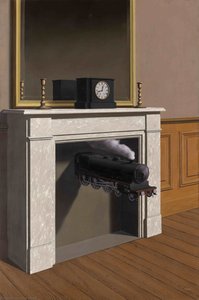
Magritte’s oeuvre is characterized by a masterful manipulation of illusion and representation. *The Treachery of Images (This is not a pipe)* (1929) exemplifies his genius—a deceptively simple depiction that compels us to reconsider the relationship between image and object, mirroring the core tenets of Surrealist thought. Similarly, *Les Amants* (1927-1928), featuring shrouded figures, echoes the trauma of his mother’s death while simultaneously exploring themes of concealment and intimacy. Masterpieces like *Time Transfixed* (1938) and *The Human Condition* (1933) further demonstrate Magritte's ability to unsettle viewers with unsettling juxtapositions and visual puzzles.
Legacy and Influence: A Surrealist Pioneer
René Magritte’s artistic legacy extends far beyond the confines of Belgian art history. His pioneering exploration of Surrealism profoundly impacted subsequent generations of artists—from Pop Art luminaries like Andy Warhol to Minimalist sculptors such as Donald Judd—establishing him as a cornerstone of 20th-century visual culture. Today, his paintings reside in prestigious museum collections worldwide, including the Musées royaux des beaux-arts de Belgique and the Magritte Museum, ensuring that his visionary aesthetic continues to inspire awe and provoke contemplation for decades to come.
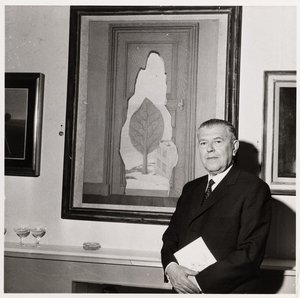
René Magritte
1898 - 1967 , Belgia
Lühikesed faktid
- Artistic Movement Or Style: Surrealism
- Artists Who Influenced This Artist: ['Giorgio de Chirico']
- Date Of Birth: November 21, 1898
- Date Of Death: August 15, 1967
- Full Name: René François Ghislain Magritte
- Nationality: Belgian
- Notable Artworks:
- Les Amants
- The Treachery of Images
- Time Transfixed
- Place Of Birth: Lessines, Belgium
Seotud artiklid
René Magritte: 25 meistriteost, mis muudavad teie kodu kunstigaleriiks | AllPaintingsStore
Avastage René Magritte 25 kõige ikoonilisemat maali! Sukeldume surrealismi maailma, õppige kunstniku lugu ja tehnikat ning leidke inspiratsiooni oma kodukaunistuseks. Kvaliteetsed reprodubktsioonid AllPaintingsStore.com-is. Avastage kogu kollektsioon online!
Metropolitani Muuseumi 25 Kunsti Helmi: Ajaloo ja Ilu Teekond AllPaintingsStore'is
Avastage Metropolitani muuseumi 25 kõige ikoonilisemat kunstiteost! Sukeldume maalikunstnike maailma, impressionismi võlu ja ajalooliste värvikombinatsioonide sisse. Leidke täiuslik seina kaunistus AllPaintingsStore'is – kvaliteetsed reproduktsioonid ja sisustus ideed. Avastage kogu kollektsioon online!

Hokusai's Masterpieces: 25 Iconic Prints & Paintings for Art Lovers | AllPaintingsStore
Journey through Katsushika Hokusai’s 25 most iconic artworks, including *The Great Wave*. Explore the ukiyo-e master's history, style & timeless Japanese woodblock prints. Find museum-quality reproductions for your home at AllPaintingsStore.com.
Rahvusgalerii parimad 25 teost Washingtonis: Kunsti meistriteosed kodus
Avastage Rahvusgalerii Washingtoni 25 parimat teost! Sukeldu Cézanne'i, Matisse'i ja Picasso maalidest inspireeritud kunstiajalukku. Leidke täiuslik seinakaunistus või luksuslik reproduktsioon kodusse AllPaintingsStore.com-is. Vaadake kogu kollektsiooni online!

John Constable: 25 Suurimat Teost Inglise Maastikumaali Tippu
Avastage John Constable'i 25 suurimat teost! Sukeldu inglise maastikumaali romantismisse, imetlege Dedham Vale ilu ja leia inspiratsiooni kodukaunistuseks. Kvaliteetsed kunstireprodutsioonid AllPaintingsStore.com-is. Vaata kohe!