


 Eelvaade
 Saada
Saada Jaga
Jaga
 Teave teose kohta
 Juhend

 Laadi alla
 Sarnased teosed
 Röntgenuuring
 Slaidietendus
 Q&A
Q&A Statistika
Memory


 Loe lähemalt
Sellel lehel kuvatav kunstiteos on kaitstud autoriõigusega, mis tähendab, et meil ei ole seaduslikku õigust luua või müüa identset reproduktsiooni. Seda kaitset rakendatakse rahvusvaheliste kokkulepete alusel, nagu näiteks Berne konventsioon ning riiklike seadustega, sealhulgas nendega, mida on sätestatud USA autoriõiguse seadus – 17. peatükk.
Austasena ja seaduslikuna alternatiivina pakume originaalist inspireeritud, käsitsi maalitud isikupärastatud teoseid. Meie osutavad ja professionalsed kunstnikud uurivad hoolikalt originaali stiili, meelemoi ja kunstilist olemust, et luua uus, ainulaadne teos, mis tekitab sama tunnet – olles samal ajal omaette originaalne looming.
See meetod järgib täielikult autoriõiguse reegleid, kuna see ei põhine kaitstud kunstiteose kopeerimisel või dupliteerimisel. Selle asemel on tegu loova reinterpreetatsiooniga – uue maaldisega, mis on algteosest inspireeritud, kuid ei ole sellest identiline.
Käsitsi valmistatud õlimaalireproduktsioon
Meie kunstnike poolt tellimusel valmistatud käsitsi maalitud õli-kainaste teos teie soovitud suuruses ja raamis. ( Lülita trükkitoodetele Lülita digitaalse pildi juurde)




P118B €10

P118H €10

P118W €10

P438Z €10

P508JH €12

P508YH €12

P805H €10

P805Z €10

P919BZ €10

P919G €10

P919XJ €10

P959ZH €10

P968JZ €12

W106C €8

W218G €10

W218JH €8

W218Y €10

W307PJ €10

W316G €10

W316PJ €8

W316Y €10

W398PJ €8

W4111J €10

W500HY €15

W500JH €15

W692G €12

W849H €8

W940BG €15

W953PJ €8




Vali meie eelmääratud suurused, mis vastavad teose algupärastele proportsioonidele.

Sisestage vajalik laius ja kõrgus, et teos sobiks teie raamile või seinale. Kuna tegu on käsipainatud teosega, siis erineva kujuga suuruse korral võib kunstnik jätta pildi ümber veidi rohkem marginaali või lõigata osa ära — valik on teie. Enne maali alustamist saadame teile kinnitamiseks digitaalse näidisprojektsiooni. Sellel lehel näidatud pilt ei kajasta tegelikku tulemust — seda näitab ainult näidisprojektsioon.
Pärast tellimust saadab AllPaintingsStore.com meeskond kliendile e-posti juhised ning esitab eelvaate kavandi
Maailmline tarne 3–4 nädala jooksul tavalise 5 nädala asemel. (28 oktoober). Kvaliteedis kompromisse ei tehta.

Tasuta ekspresssaatmine üle maailma

Kõrgekvaliteediline lina-kangas

Täielik transpordikindlustus

Tollimaksude tagastamise garantii

Värvitoime täpsuse garantii

100 päeva tagastusõigus (ainult valmistusdefektide korral)

100% raha tagasi garantii

Hulgusoodustus
 Klaasivalik on saadaval ainult kuni 110 cm suuruses teostes

Memory
Reproduktsiooni tehnika
Reproduktsiooni suurus
-


Koguhind
€ 227
A Haunting Reverie: René Magritte’s “Memory”
René Magritte's "Memory," painted in 1948, is not merely a depiction of a statue; it’s an immersion into the unsettling realm of the subconscious, a testament to the artist’s profound engagement with themes of loss, memory, and the deceptive nature of reality. The painting immediately arrests the viewer with its stark contrast: the cold, impassive face of the marble bust, stained with a vibrant red – a color traditionally associated with passion, violence, and, crucially, blood – against the muted tones of the cloudy sky and the delicate pink of the roses. This juxtaposition creates an immediate tension, forcing us to confront uncomfortable questions about representation and the fragility of recollection.
- Subject Matter: The central figure is a female bust, likely inspired by classical sculpture, yet rendered with Magritte’s signature ambiguity. Its anonymity amplifies its symbolic weight, transforming it into a vessel for universal human experiences – grief, regret, and the lingering presence of the past.
- Color Palette: The limited palette—primarily blues, grays, and reds—contributes significantly to the painting's melancholic mood. The red is not simply a color; it’s a deliberate intrusion, a visceral reminder of trauma and the indelible mark left by painful memories.
Surrealist Techniques and Composition
Magritte was a key figure in the Surrealist movement, yet his approach differed from the overtly fantastical works often associated with the group. “Memory” exemplifies his meticulous attention to detail and his ability to create unsettling effects through seemingly ordinary subjects. The composition is carefully constructed; the roses, placed strategically in the foreground, serve as both focal points and symbols of beauty amidst decay. Their presence suggests a futile attempt to preserve or embellish a painful memory. The ball, positioned near the right edge, adds another layer of ambiguity – perhaps representing a lost opportunity, a sphere of influence, or simply an object caught within the confines of recollection.
Magritte’s technique is characterized by precise brushwork and a masterful use of light and shadow. He employed oil paints with a delicate touch, building up layers to achieve a smooth, almost polished surface – a characteristic feature of his work. This meticulousness contrasts sharply with the unsettling subject matter, further enhancing the painting's impact.
Symbolism and Historical Context
The image of the statue’s face, obscured by the red stain, is deeply rooted in Magritte’s personal history. The suicide of his mother, a recurring motif in his work, undoubtedly informed this piece. The veiled figure can be interpreted as a representation of suppressed grief or the inability to fully confront painful memories. Painted in 1948, “Memory” reflects the post-war anxieties and disillusionment prevalent at the time. The painting’s exploration of psychological states aligns with the broader Surrealist interest in exploring the irrational and unconscious mind.
Furthermore, Magritte's work engages with the philosophical debates surrounding perception and representation that were gaining momentum in the mid-20th century. He challenges the viewer to question what they see – is it a faithful reflection of reality, or merely an illusion constructed by the artist’s hand and our own subjective interpretations?
Emotional Impact and Artistic Value
"Memory" possesses a haunting beauty that transcends its unsettling subject matter. It evokes a profound sense of melancholy and invites contemplation on the nature of memory, loss, and the enduring power of the past. This reproduction captures Magritte’s meticulous technique and vibrant color palette, offering an authentic representation of this iconic work. It is a piece perfect for collectors seeking to own a significant example of Surrealist art or for interior designers looking to introduce a touch of enigmatic beauty into their spaces – a reminder that even in the face of darkness, there can be a strange and compelling allure.
Korduvad küsimused
Millal loodi teos "Memory"?
Teos "Memory" on pärit aastast 1948. See ajastu aitab mõista teost René Magritte karjääri ja selle ajastu kontekstis.
Kuidas saan tellida teose „Memory“, autor René Magritte trükki?
Teose „Memory“, autor René Magritte trüket saab tellida otse selle Kvaliteetne kunstutrüki print lehelt: kunstiprint puuvillalõikel kangas või arhiveeritaval kangaspaberil.
Kust saan osta teose „Memory“, autor René Magritte käsitsi maalatud reproduktsiooni?
Teose „Memory“, autor René Magritte käsitsi maalatud koopiaid müüakse saidil see veebileht: käsitsi maalatud õlireproduktsioon linaelapale, neid saab tellida selle lehelt Käsitsi maalatud reproduktsioon.
Sarnased teosed


Kunstniku elulugu
René Magritte (1898–1967): Exploring the Surrealist Landscape
René Magritte, born René François Ghislain Magritte on November 21, 1898, in Lessines, Belgium, emerged from a childhood profoundly shaped by tragedy – the untimely death of his mother when he was merely thirteen. This formative experience instilled within him an unwavering fascination with mystery, loss, and the unsettling power of what remains unseen; it would subtly permeate his artistic vision throughout his prolific career.
Early Artistic Explorations: Impressionism and Beyond
Despite initial inclinations toward Impressionism, Magritte swiftly recognized its limitations in conveying the complexities he wished to explore. He enrolled at the Académie Royale des Beaux-Arts in Brussels, seeking a more rigorous training but ultimately rejecting its formal conventions. Recognizing the influence of Giorgio de Chirico’s *The Song of Love* (1922), Magritte discovered a new aesthetic path—one where familiar landscapes could transform into dreamlike realms and commonplace objects could provoke unsettling questions about reality.
The Surrealist Breakthrough: Challenging Perception
Magritte's commitment to Surrealism solidified in 1926 with *Le Jockey Perdu*, marking his decisive departure from traditional artistic styles. Embracing the principles of automatism championed by André Breton, he sought to liberate creativity from conscious control, mirroring the broader intellectual currents of the era. His distinctive approach distinguished him from many fellow Surrealists; Magritte wasn’t interested in delving into subconscious anxieties through free association but rather in meticulously crafting visual paradoxes that disrupted viewers' perceptions.
Iconic Works and Recurring Themes: Paradoxical Imagery
Magritte’s oeuvre is characterized by a masterful manipulation of illusion and representation. *The Treachery of Images (This is not a pipe)* (1929) exemplifies his genius—a deceptively simple depiction that compels us to reconsider the relationship between image and object, mirroring the core tenets of Surrealist thought. Similarly, *Les Amants* (1927-1928), featuring shrouded figures, echoes the trauma of his mother’s death while simultaneously exploring themes of concealment and intimacy. Masterpieces like *Time Transfixed* (1938) and *The Human Condition* (1933) further demonstrate Magritte's ability to unsettle viewers with unsettling juxtapositions and visual puzzles.
Legacy and Influence: A Surrealist Pioneer
René Magritte’s artistic legacy extends far beyond the confines of Belgian art history. His pioneering exploration of Surrealism profoundly impacted subsequent generations of artists—from Pop Art luminaries like Andy Warhol to Minimalist sculptors such as Donald Judd—establishing him as a cornerstone of 20th-century visual culture. Today, his paintings reside in prestigious museum collections worldwide, including the Musées royaux des beaux-arts de Belgique and the Magritte Museum, ensuring that his visionary aesthetic continues to inspire awe and provoke contemplation for decades to come.
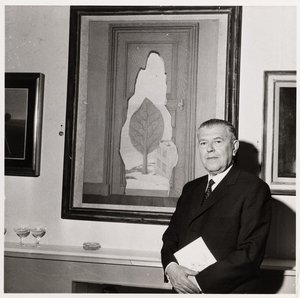
René Magritte
1898 - 1967 , Belgia
Lühikest infot
- Artistic Movement Or Style: Surrealism
- Artists Who Influenced This Artist: ['Giorgio de Chirico']
- Date Of Birth: November 21, 1898
- Date Of Death: August 15, 1967
- Full Name: René François Ghislain Magritte
- Nationality: Belgian
- Notable Artworks:
- Les Amants
- The Treachery of Images
- Time Transfixed
- Place Of Birth: Lessines, Belgium
Sarnased artiklid

Surrealismi 10 Meisterteost: Kunsti, Mis Muigasid Reaalsust
Sukeldu sürreaalsesse maailma! Avasta 10 meistriteost, mis defineerisid sürrealismi liikumist – Dalí, Magritte jt. Kunstiajalugu ja inspiratsioon interjööriks AllPaintingsStore.com-il. Uuri täielik kollektsioon veebis!

Surrealismi 10 Meisterteost: Kunsti, Mis Muudab Reaalsuse
Sukeldu sürreaalsete meistriteoste maailma! Salvador Dalí, René Magritte jt legendid. Avasta 10 teost, mis defineerisid sürrealismi. Kunstiajalugu ja inspiratsioon interjöördisainiks – AllPaintingsStore.com

Giclée Prints: Archival Quality & Aesthetic Nuances for the Discerning Collector
Explore the world of giclée prints with AllPaintingsStore. Learn about archival quality, aesthetic nuances & investment potential. Expert guidance for discerning art collectors seeking museum-quality reproductions and lasting value.

The Treachery of Images: Decoding René Magritte’s Surrealist Philosophy and the Paradox of Representation
Explore the profound mystery of René Magritte’s 'The Treachery of Images.' Dive into an expert analysis of his Surrealist philosophy, the paradox of representation, and how he challenged reality through the interplay of language and visual perception.

Surrealist Expression: Unlocking the Power of Dreams and the Subconscious through Art History
Explore the profound depths of Surrealism. From Dalí’s dreamscapes to Magritte’s enigmas, master the history of the subconscious mind through our expert art guide and discover museum-quality oil reproductions of the world's most iconic surrealist masterpieces.


