


 Vaata sisu
 Jaga teost
 Jaga
Jaga
 Detailid
 Õppekate juhend

 Laadi alla
 Sarnased teosed
 Röntgenuuring
 Slaidietendus
 Statistika
The rainbow


 Loe lähemalt
Sellel lehel kuvatav kunstiteos on kaitstud autoriõigusega, mis tähendab, et meil ei ole seaduslikku õigust luua või müüa identset reproduktsiooni. Seda kaitset rakendatakse rahvusvaheliste kokkulepete alusel, nagu näiteks Berne konventsioon ning riiklike seadustega, sealhulgas nendega, mida on sätestatud USA autoriõiguse seadus – 17. peatükk.
Austasena ja seaduslikuna alternatiivina pakume originaalist inspireeritud, käsitsi maalitud isikupärastatud teoseid. Meie osutavad ja professionalsed kunstnikud uurivad hoolikalt originaali stiili, meelemoi ja kunstilist olemust, et luua uus, ainulaadne teos, mis tekitab sama tunnet – olles samal ajal omaette originaalne looming.
See meetod järgib täielikult autoriõiguse reegleid, kuna see ei põhine kaitstud kunstiteose kopeerimisel või dupliteerimisel. Selle asemel on tegu loova reinterpreetatsiooniga – uue maaldisega, mis on algteosest inspireeritud, kuid ei ole sellest identiline.
Käsitsi valmistatud õlimaalireproduktsioon
Meie kunstnike poolt tellimusel valmistatud käsitsi maalitud õli-kainaste teos teie soovitud suuruses ja raamis. ( Lülita trükkitoodetele Ülemineku digitaalse pildi müügi kanalisse)




P118B €10

P118H €10

P118W €10

P438Z €10

P508JH €12

P508YH €12

P805H €10

P805Z €10

P919BZ €10

P919G €10

P919XJ €10

P959ZH €10

P968JZ €12

W106C €8

W218G €10

W218JH €8

W218Y €10

W307PJ €10

W316G €10

W316PJ €8

W316Y €10

W398PJ €8

W4111J €10

W500HY €15

W500JH €15

W692G €12

W849H €8

W940BG €15

W953PJ €8




Vali meie eelmääratud suurused, mis vastavad teose algupärastele proportsioonidele.

Sisestage vajalik laius ja kõrgus, et teos sobiks teie raamile või seinale. Kuna tegu on käsipainatud teosega, siis erineva kujuga suuruse korral võib kunstnik jätta pildi ümber veidi rohkem marginaali või lõigata osa ära — valik on teie. Enne maali alustamist saadame teile kinnitamiseks digitaalse näidisprojektsiooni. Sellel lehel näidatud pilt ei kajasta tegelikku tulemust — seda näitab ainult näidisprojekttsioon.
Pärast tellimust saadab AllPaintingsStore.com meeskond kliendile e-posti juhised ning esitab eelvaate kavandi
Maailmline tarne 3–4 nädala jooksul tavalise 5 nädala asemel. (26 oktoober). Kvaliteedis kompromisse ei tehta.

Tasuta ekspresssaatmine üle maailma

Kõrgekvaliteediline lina-kangastest muld

Täielik transpordikindlustus

Tollimaksude tagastamise garantii

Värvitoime täpsuse garantii

100 päeva tagastusõigus (ainult defektide korral)

100% raha tagasi garantii

Hulgusoodustus
 Klaasivalik on saadaval ainult kuni 110 cm suuruses teostes

The rainbow
Reproduktsiooni materjal
Reproduktsiooni mõõtmed
-


Lõppsumma
€ 227
A Dreamscape of Identities: Decoding René Magritte’s ‘The Rainbow’
This captivating collage, titled ‘The Rainbow’, is a compelling example of René Magritte's signature style – a masterful blend of Symbolism and early Surrealism. The work presents four distinct, framed portraits set against a dramatically textured red background, creating an atmosphere both opulent and unsettling. Each panel features a figure labeled in French—Le Journalier, L’amariée, L’apôtre, Le Sybarite, and Le Dévot – hinting at archetypal characters or states of being.Stylistic Roots & Artistic Technique
Magritte, born in 1898 Belgium, initially experimented with Impressionism before fully embracing the Surrealist movement. ‘The Rainbow’ showcases his mature style: a precise, almost clinical rendering of forms juxtaposed with illogical and dreamlike arrangements. The tightly cropped compositions focus intensely on each subject, while varying degrees of detail – from sharply defined features to more abstract representations – add visual complexity. The use of gilded frames isn't merely decorative; they elevate the figures to iconic status, reminiscent of religious icons or portraits of nobility. The mixed-media approach suggested by the rough surface texture further emphasizes the work’s layered and tactile quality.Symbolism & Narrative Threads
The French labels are crucial to understanding Magritte's intent. Le Journalier (The Day Laborer), L’amariée (The Bride), L’apôtre (The Apostle), Le Sybarite (The Epicurean), and Le Dévot (The Devotee) represent different facets of human existence, perhaps exploring themes of labor, love, faith, pleasure, and piety. Magritte often challenged conventional perceptions of reality by presenting familiar objects in unexpected contexts. Here, he does so through the juxtaposition of these figures, forcing us to question their relationships and individual meanings within the larger composition. The title ‘The Rainbow’ itself is intriguing; rainbows are traditionally symbols of hope and promise, but here, set against the intense red backdrop, it feels more ambiguous – a fleeting illusion or a fractured spectrum of human experience.Historical Context & Magritte's Legacy
Created during a period of significant social and political upheaval (though the exact date is unknown), ‘The Rainbow’ reflects the anxieties and uncertainties of the interwar years. Magritte was deeply influenced by Giorgio de Chirico’s metaphysical paintings, which explored similar themes of alienation and psychological unease. His work, in turn, profoundly impacted subsequent art movements like Pop Art, Minimalist Art, and Conceptual Art. Magritte's ability to provoke thought and challenge our assumptions about the world continues to resonate with audiences today.Emotional Impact & Interior Design Considerations
‘The Rainbow’ evokes a sense of mystery and introspection. The rich red background creates a dramatic focal point, while the gilded frames add a touch of elegance and sophistication. This artwork would be particularly striking in a modern or contemporary interior, adding depth and intellectual curiosity to any space. Its complex symbolism and evocative imagery make it an ideal conversation starter – a piece that invites contemplation and rewards repeated viewing. For collectors, this work represents a prime example of Magritte’s unique vision; for designers, it offers a bold statement piece capable of transforming any room into a gallery-worthy space.Küsimused ja vastused
Mis selgitab teose „The rainbow“, autor René Magritte autoriõiguste olukorda?
René Magritte teos "The rainbow" on on endiselt kaitstud autoriõigusega. Autoriõiguse kaitseajad arvutatakse alates kunstniku surmaõigustest ning René Magritte suri aastal 1967.
Kust saan näha teose "The rainbow" eelvaadet?
Teose „The rainbow“, autor René Magritte reproduktsiooni eelvaade saamiseks avage teose Eelvaade leht.
Kuidas teose "The rainbow" stiil seotub selle looja ajaga?
Teos "The rainbow" kuulub Surrealism suunale ning selle looja tegutses Modernism ajastul.
Sarnased teosed


Kunstniku elulugu
René Magritte (1898–1967): Exploring the Surrealist Landscape
René Magritte, born René François Ghislain Magritte on November 21, 1898, in Lessines, Belgium, emerged from a childhood profoundly shaped by tragedy – the untimely death of his mother when he was merely thirteen. This formative experience instilled within him an unwavering fascination with mystery, loss, and the unsettling power of what remains unseen; it would subtly permeate his artistic vision throughout his prolific career.
Early Artistic Explorations: Impressionism and Beyond
Despite initial inclinations toward Impressionism, Magritte swiftly recognized its limitations in conveying the complexities he wished to explore. He enrolled at the Académie Royale des Beaux-Arts in Brussels, seeking a more rigorous training but ultimately rejecting its formal conventions. Recognizing the influence of Giorgio de Chirico’s *The Song of Love* (1922), Magritte discovered a new aesthetic path—one where familiar landscapes could transform into dreamlike realms and commonplace objects could provoke unsettling questions about reality.
The Surrealist Breakthrough: Challenging Perception
Magritte's commitment to Surrealism solidified in 1926 with *Le Jockey Perdu*, marking his decisive departure from traditional artistic styles. Embracing the principles of automatism championed by André Breton, he sought to liberate creativity from conscious control, mirroring the broader intellectual currents of the era. His distinctive approach distinguished him from many fellow Surrealists; Magritte wasn’t interested in delving into subconscious anxieties through free association but rather in meticulously crafting visual paradoxes that disrupted viewers' perceptions.
Iconic Works and Recurring Themes: Paradoxical Imagery
Magritte’s oeuvre is characterized by a masterful manipulation of illusion and representation. *The Treachery of Images (This is not a pipe)* (1929) exemplifies his genius—a deceptively simple depiction that compels us to reconsider the relationship between image and object, mirroring the core tenets of Surrealist thought. Similarly, *Les Amants* (1927-1928), featuring shrouded figures, echoes the trauma of his mother’s death while simultaneously exploring themes of concealment and intimacy. Masterpieces like *Time Transfixed* (1938) and *The Human Condition* (1933) further demonstrate Magritte's ability to unsettle viewers with unsettling juxtapositions and visual puzzles.
Legacy and Influence: A Surrealist Pioneer
René Magritte’s artistic legacy extends far beyond the confines of Belgian art history. His pioneering exploration of Surrealism profoundly impacted subsequent generations of artists—from Pop Art luminaries like Andy Warhol to Minimalist sculptors such as Donald Judd—establishing him as a cornerstone of 20th-century visual culture. Today, his paintings reside in prestigious museum collections worldwide, including the Musées royaux des beaux-arts de Belgique and the Magritte Museum, ensuring that his visionary aesthetic continues to inspire awe and provoke contemplation for decades to come.
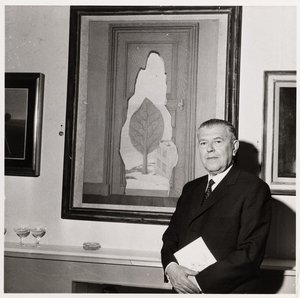
René Magritte
1898 - 1967 , Belgia
Lühikest infot
- Artistic Movement Or Style: Surrealism
- Artists Who Influenced This Artist: ['Giorgio de Chirico']
- Date Of Birth: November 21, 1898
- Date Of Death: August 15, 1967
- Full Name: René François Ghislain Magritte
- Nationality: Belgian
- Notable Artworks:
- Les Amants
- The Treachery of Images
- Time Transfixed
- Place Of Birth: Lessines, Belgium
Sarnased artiklid

Surrealismi 10 Meisterteost: Kunsti, Mis Muigasid Reaalsust
Sukeldu sürreaalsesse maailma! Avasta 10 meistriteost, mis defineerisid sürrealismi liikumist – Dalí, Magritte jt. Kunstiajalugu ja inspiratsioon interjööriks AllPaintingsStore.com-il. Uuri täielik kollektsioon veebis!

The Treachery of Images: Decoding René Magritte’s Surrealist Philosophy and the Paradox of Representation
Explore the profound mystery of René Magritte’s 'The Treachery of Images.' Dive into an expert analysis of his Surrealist philosophy, the paradox of representation, and how he challenged reality through the interplay of language and visual perception.

Surrealist Expression: Unlocking the Power of Dreams and the Subconscious through Art History
Explore the profound depths of Surrealism. From Dalí’s dreamscapes to Magritte’s enigmas, master the history of the subconscious mind through our expert art guide and discover museum-quality oil reproductions of the world's most iconic surrealist masterpieces.

Abstract Ekspressionismi 10 Meisterteost: Kunsti ja Sisustamise Klassikat
Sukeldu abstraktse ekspressionismi maailma! Avasta 10 legendaarset kunstiteost – Pollock, Rothko jt. – ja nende loo. Leia inspiratsiooni interjööriks ning kaunista kodu AllPaintingsStore.com kvaliteetsete reproduktsioonidega. Uuri kollektsiooni!

Surrealismi 10 Meisterteost: Kunsti, Mis Muudab Reaalsuse
Sukeldu sürreaalsete meistriteoste maailma! Salvador Dalí, René Magritte jt legendid. Avasta 10 teost, mis defineerisid sürrealismi. Kunstiajalugu ja inspiratsioon interjöördisainiks – AllPaintingsStore.com


