


 Eelvaade
 Saada
Saada Jaga
Jaga
 Teave teose kohta
 Juhend

 Laadi alla
 Sarnased teosed
 Röntgenuuring
 Slaidietendus
 KÜSIMUSED JA VASTUSID
 Statistika
La Sortie


 Loe lähemalt
Sellel lehel kuvatav kunstiteos on kaitstud autoriõigusega, mis tähendab, et meil ei ole seaduslikku õigust luua või müüa identset reproduktsiooni. Seda kaitset rakendatakse rahvusvaheliste kokkulepete alusel, nagu näiteks Berne konventsioon ning riiklike seadustega, sealhulgas nendega, mida on sätestatud USA autoriõiguse seadus – 17. peatükk.
See meetod järgib täielikult autoriõiguse reegleid, kuna see ei põhine kaitstud kunstiteose kopeerimisel või dupliteerimisel. Selle asemel on tegu loova reinterpreetatsiooniga – uue maaldisega, mis on algteosest inspireeritud, kuid ei ole sellest identiline.
Giclée / Kunstiprint
Muuseumikvaliteediga giclée- või kangasprint kiire tootmisega ja paindlikud viimistlusvõimalused. ( Osta käsitsi maalatud teos Lülita digitaalse pildi juurde)




P118B €10

P118H €10

P118W €10

P438Z €10

P508JH €12

P508YH €12

P805H €10

P805Z €10

P919BZ €10

P919G €10

P919XJ €10

P959ZH €10

P968JZ €12

W106C €8

W218G €10

W218JH €8

W218Y €10

W307PJ €10

W316G €10

W316PJ €8

W316Y €10

W398PJ €8

W4111J €10

W500HY €15

W500JH €15

W692G €12

W849H €8

W940BG €15

W953PJ €8




Vali meie eelmääratud suurused, mis vastavad teose algupärastele proportsioonidele.

Sisestage vajalik laius ja kõrgus, et see sobiks teie raamile või seinale. Trükki saab ainult lõigata, seda ei saa kunagi pildist suuremaks teha, seega ka erineva mustega suurus kaotab osa pildist. Enne trükkimist saadame teile kinnitamiseks digitaalse näidisprojektsiooni. Sellel lehel näidatud pilt ei kujuta reaalset lõiget — seda näitab ainult näidisprojektsioon.
Ülemaailmne tarne () 2 nädala jooksul, tavalise 4/5 nädala asemel. (17 november)

Tasuta ekspresssaatmine üle maailma

Kõrgekvaliteediline lina-kangas

Täielik transpordikindlustus

Tollimaksude tagastamise garantii

Värvitoime täpsuse garantii

100 päeva tagastusõigus (ainult valmistusdefektide korral)

100% raha tagasi garantii

Hulgusoodustus
 Klaasivalik on saadaval ainult kuni 110 cm suuruses teostes

La Sortie
Giclée / Kunstiprint
Reproduktsiooni suurus
-


Koguhind
€ 58
Roy Lichtenstein’s “La Sortie”: A Pop Art Snapshot of Domesticity
Roy Lichtenstein's "La Sortie" (1990) isn’t merely a painting; it’s a carefully constructed tableau vivant, a moment frozen in time within the seemingly ordinary confines of a living room. This woodcut on board, executed with meticulous precision and a distinctive Ben-Day dot technique, offers a surprisingly complex meditation on American consumer culture, domesticity, and the subtle anxieties simmering beneath the surface of everyday life. The work’s quiet intensity belies its deceptively simple subject matter – a single figure standing in the background, a blue chair bathed in light, and a collection of carefully arranged objects.
Lichtenstein, a pivotal figure in the Pop Art movement, deliberately chose to elevate commonplace imagery—a scene from an American home—to the level of fine art. He wasn’t interested in grand narratives or heroic figures; instead, he focused on the visual language of advertising, comic books, and popular culture, dissecting and reassembling them with a cool, detached precision. “La Sortie,” French for ‘exit’ or ‘breakout,’ suggests a potential escape from this carefully curated domestic space – a yearning for something beyond the confines of routine.
The Technique: Ben-Day Dots and Woodcut Precision
The painting's visual impact is entirely due to Lichtenstein’s masterful manipulation of technique. The signature Ben-Day dots, painstakingly applied by hand, create a vibrant, textured surface that mimics the look of commercial printing. This technique, borrowed from comic books, lends the image a sense of immediacy and artificiality – a deliberate rejection of traditional painting methods. The woodcut process itself contributes to this effect; the sharp lines and defined shapes are characteristic of printmaking, further emphasizing the work’s connection to mass production.
Notice the subtle gradations in tone achieved through varying densities of dots. This layering creates a remarkable sense of depth and volume, particularly evident in the blue chair – a focal point that draws the viewer's eye. The careful consideration given to each dot is testament to Lichtenstein’s meticulous approach and his desire to control every aspect of the image.
Symbolism and Interpretation
While seemingly straightforward, “La Sortie” is rich in symbolic meaning. The solitary figure in the background, partially obscured by the doorway, represents an observer – perhaps a woman, perhaps a guest – positioned outside the central scene. This figure’s presence hints at a sense of isolation or detachment, suggesting that even within the comfort of a domestic setting, feelings of loneliness and longing can persist.
The blue chair, with its white cushions, embodies a certain idealized vision of American middle-class life – comfortable, familiar, yet perhaps also sterile. The two vases, positioned strategically in the composition, add to this sense of order and control. However, their placement feels slightly forced, as if they’ve been deliberately arranged to create an aesthetically pleasing effect rather than reflecting genuine spontaneity.
The title itself – “La Sortie” – is crucial. It suggests a desire for liberation, a yearning to break free from the constraints of routine and expectation. The painting doesn't offer a clear solution or resolution; instead, it presents a moment of quiet contemplation, inviting viewers to consider their own experiences of domesticity and the subtle tensions that can exist within seemingly ordinary spaces.
A Legacy in Reproduction
AllPaintingsStore is proud to offer meticulously crafted hand-painted reproductions of Roy Lichtenstein’s “La Sortie.” These reproductions capture not only the visual details of the original artwork but also its underlying emotional resonance. By employing traditional painting techniques, we ensure that each reproduction retains a sense of authenticity and depth, allowing you to experience this iconic work of Pop Art in your own home or office.
Whether you’re an art enthusiast, a collector, or simply seeking a striking piece of décor, “La Sortie” offers a compelling glimpse into the mind of one of the 20th century's most influential artists. Explore our high-quality reproductions today and bring this captivating image into your world.
Korduvad küsimused
Milline kunstnik ja milline stiil seisavad teose "La Sortie" taga?
Teose "La Sortie" taga on kunstnik Roy Lichtenstein ja Pop Art suundumus.
Kuidas kontrast ja harmonii "La Sortie" teoses ühes tuttuvad?
Teose „La Sortie“, autor Roy Lichtenstein väruanalüüs on tuvastatud Statement kontrast ja Discordant Palette harmoonia.
Kuidas leida teoseid, mis on stiilis sarnased teosele „La Sortie“, autor Roy Lichtenstein?
Teosed, mis sarnanevad teosega "La Sortie", on loetletud selle teose Sarnased teosed lehel.
Sarnased teosed


Kunstniku elulugu
Roy Lichtensteini elu
Manhattan, New York, 27. oktoober 1923. Roy Lichtenstein saab maailma Miltoni ja Beatricean lapsena. Metropooli kohinav ja linnaenergia moodustavad taustast elu, mis tuleb tulevikus ulatuma fine kunsti piiride beyond. Ta kasvab üles kesklasklassilisest juudi perest, imides linna kultuurilisi rütme muuseumide ja jazzmuusika kaudu.
Tema karjääri suund muutub drastiliselt kesknõu XX sajandil. Ta astub esile Pop Art'i liikumise juhtkuju asjana – ajastuna, mida iseloomustas radikaalne eemaldumine abstraktsest ekspressionismist, selle rasketest ja emotsionaalsest pintslitõhest. Selle asemel, et vaadata sissepoole, suudab ta suunata pilgu väljapoole, Ameerika masskultuuri läbipaistvatele ja mehaanilistele pindele. Ta leiab oma teemad igapäevase elu kõige unustatumast nurgast: koomiksidest saadud dramaatilisest paneelidest ja reklaamimeedia karmidest, korduvadest mustridest.
Tema looming muudab trükitaode ajutise keele midagi monumentaalset. Kasutades masside visuaalset lühikoodi, paneb ta kokku otsese konfrontatsiooni kõrgelikult galeriiprestiži ja tänavate igapäevase pulsi vahel. Tema kohalolu kunstimaailmas on märkatav teadlik eemaldumine; ta kasutab tööstilise reproduktsiooni tööriistu, et ümberdefineerida, mis võib olla maali.
Varane elu, pere ja haridus
Manhattan, 1923. See metropolis toimub kulissideks Roy Fox Lichtensteini saabumiselle ülemasse klassi kuuluvasse juudiperheye. Tema isa Milton tegutseb kinnisvaromaaklernina, samas kui ema Beatrice, professionaalne pianist, tutvustab poega New Yorki kultuursete rütmidega. Need varajased aastad on tähistatud visuaalse ja auditiivse maailma sügava omastamisega; ta veetab oma lapsepõlve museid avastades ja kontserte külastades, arendades sügava austuse jazzmuusika vastu, mis püsib tema vaimus kogu elu jooksul.
1939. aastal pöörduv tähelepanu suundus rangemasse disipliinile. Ta sisub New Yorki Art Students League'i, kuuludes Reginald Marsh õpilaseks. Siin on fookus suunatud joonistamise ja maali kunstide põhimõtete juurde. Need esialgsed uurimised viisid teda kõrgemale õppimisele, registreerudes Ohio State Ülikogus, et omandada kunstide bakata laureaat. See akadeemiline vundament pakkus tehnilist täpsust ja rangust, mis sai hiljem aluseks tema radikaalsele kõrvalekorrastumisele traditsioonilisest esitlusviisist.
Sõjaväärus ja naasmine õpingutele
Lichtensteini hariduste käik muutub 1943. aastal järsku. Mobiliseerimine tõmbab ta klassikannest otse Ameerika Ühenduste Sõjaväe teenistusse. Kaks aastat liigub tähelepanu stuudiopindadelt Euroopa rintjaale. Ta teenib Prantsusmaal, Belgia or ning Saksamaal, navigeerides läbi sõja segaduse aastatel 1943 kuni 1945. Sellel perioodil tegutseb ta abilaisena, joonistajana ja kunstnikuna, piltides oma ümbrust ja reaalsust ajal, mil konflikt jõudis oma pöhipunktile.
Sõda lõgub, kuid üleminek tagasi tsiviilielule ei ole vahetu. Pärast vaenlust 1945. aastal jääb Lichtenstein Prantsussele ajaks, kavades õppida Sorbonne ülikoolis. See plaan hävib, kui tema isa saab raskelt haigeks, sundides ta naasma Ameerika Ühendustesse. Ta suhkub tagasi Ohio State Ülikooli, et lõpetada see, mille ta oli alustanud. Kuni 1946. aastani on ta lõpetanud oma BFA õpingud, olles valmis astuma professionaalsete kunstnike ringi uuesti haritud praktikuna.
Õppeabi ja varajased teosed
Sõjajärgsed aastad viisid Roy Lichtensteini läbi Ameerika Midwesti ja idaarmu akadeemilise maastiku, kus ta tegeles nii õppeasid kui ka kunstijuhina. Ta töötas Ohio State Ülikoolis kunstijuhina aastate kogules, hoides seda ametit perioodid aastate jooksul. See a Intra-periood märkas tema loomingulise väljundit täielikus muutusel; ta hakkas eeremust ajab Abstract Expressionismi emotsionaalsest ja rasketest pintstõhestest. Selle asemel suunas ta pilgu kubistlikud interpretatsioonid ja lyrilised teosed, mis olid inspireeritud Bayeux' tapetist. Samuti uuris ta Vana Lääne teemasid, luues joonistusi ja maale, mis peegeldasid üha suuremat huvi stiilisierten, trükitud pildikeele vastu.
Üleminek graafilisesammasse keelele kiirenes läbi tema mitmete akadeemiliste ametikohtade. 1957. aastal liikus ta õppima tööstusdisaini New Yorki osariigi ülikoolis Oswego's, mis koincideeris intensiivse eksperimenteerimise ajaga. Ta alkas kombineerima tuntud animaatorkarakteri, nagu Mikki Hiir ja Donald Duck, abstraktse taustaga. See hibriidne lähenemine märkis radikaalset eemaldumist traditsioonilisest graafikast ja fine arts'ist. Hiljem töötas ta assistendi professorina Douglass College'is, Rutgersis ning New Jersey osariigi ülikoolis, lisaks SUNY Oswego's. Need akadeemilised keskkonnad pakkusid talle stabiilsust, et ta saaks täiendada visuaalset keelt, mis lükkas eemale traditsioonilise maali tekstuurist, eelistades selle asemel midagi mehekannatamatumat ja emotsionaalselt eemalviisivat.
- Look Mickey (1961)
- Wimpy (Tweet) (1961)
- Mr. Bellamy (1961)
Tehnika ja signatuurstiil
Linnas ja linnastikud on asendunud puhtas mehaanilises täpsuses, kus kangast ei täista enam kunstniku emotsioonide vool, vaid täiskujuline täpsus. Lichtenstein eemaldas maalistelt nähtava børtsu ja asendas kunstniku käe massimeedia külma, kalkuleeritud keelega. Ta omastas koomiksid ja reklaamimeedia esteetika, kasutades oma teemade defineerimiseks julgeid primääre värve ja paksud mustad kontuurid. Pilt on kütkutu ja distantseeritud, imiteerides trükitud lehe tasist ja impersonaalset olemust, eemale käest maalatustest ja sügavast emotsionaalsest tekstuurist.
Pildi tekstuur on saavutatud Ben-Day punktide siinlikult ja süstemaatiliselt rakendamisega. Need väikesed, värvilised ringid loovad varjundid ja üleminekud, taastades odava kommersilise trükki välimuse. Ta ei maali neid punkte üksikalt; selle asemel kasutab ta õhukest plastikust või metallist šabloone, viies børtsi või lapiga üle pindas, et tagada ühtlane, masinast välja toodud välimus. See tehnika muudab maaliakti reprodusiooniprotsessiks, hälgides täielikult piiri fine'i kunsti ja tööstilise toote vahel.
Olulised teosed ja ikoonilised maalid
Pöörre tema signatuurstiilini algab 1961. aastal teosega Look Mickey. Siin on Disney-tümuse omastamine märkimislik tulmatus tema varasamatest abstraktsestest eksperimentidest. Ta lahkab eemale eelneva kümnendi rasketest ja emotsionaalsest ladundest, eelistades selle asemel koomiksidest pärinevat mehaanilist selgust. See teos toimib sildina, mis tõlkib pulp-fiktiooni keele suurepäraseks ja formaalneks komposisjoniks.
Kuni 1963. aastani laieneb tema visuaalne uuring veelgi. Whaam! purkab üle lina, kasutades sõjaloomuliste koomiksid fragmentaarsete ja dramaatiliste paneelide abil, et püüda kinni suurepärase vägivalla hetke. Samal ajal esitab Drowning Girl täiesti teistsugja pinge. See keskendub vees upuvale naisele, kelle fookuses on stiilne pisarasilm ja kõnelemisbulld, mis väljendab isiklikku vastupanu. Need teosed ei kirjuta vaid stseene; nad külmutavad massimeedia melodrama staatilisteks ja graafilisteks objekideks.
1964. aasta maali Nurse jätkub romantika ja dramaatika uuringut. See kasutab samu kõrge kontrastiga kontuure ja Ben-Day punkid, mis määratlevad tema tuntuimad perioodid. Teema — koomikromantika kangelanna — on esitatud kättesaamatuse ja eemaloleku tungetega, mis rõhutab algmaterjali kunstlikkust. Tema looming sellel perioodil jääb püsima inimlikku emotsiooni ja industrijaalse reproduktsiooni ristumiskohale.
- Look Mickey (1961)
- Whaam! (1963)
- Drowning Girl (1963)
- Nurse (1964)
Huvonäited ja viimased aastad
1960ndast ajast alates kukkas tema isiklikus elus uusi värve, kui 1968. aastal avas ta uue chapteri koos Dorothy Herzka-ga. See periood oli tema loomingulise võimekuse kõrgem peakõss, mil ta laiendas oma kunstilist keelepõlvi veelgi enam, kasutades erinevaid meediume ja materjale. Tema loominguline produktivsus oli hämmastav – üle viie tuhande teose hulka kuulusid nii maalid, skulptuurid kui ka seinamaalid. Ta ei jäänud vangistatuks vaid oma alguseaegse, koomiksist inspireeritud šokeerava stiili juurde, vaid liikus edasi veelgi keerukamate kompositsioonide poole, luues sarju, mis viitasid klassikilisele kunstile ja loodusmaalidele.
Tema kunstiline teekond lõppes ootamatult 1990ndate lõpus. 1997. aasta augustis haigus ta kopsupõletikku, mis oli tema kehale liiga raske koormus. 29. septembril 1997 suris ta selle infektsiooni tagajärgedele, olles koolunud 73-aastane kunstnik, kes jäeti maailma oma unikaalse visiooni ja täpselt kontrollitud punktidega.
Pärand ja peritav mõju
Tema mõju järel on piirid kõrge kunsti ja populaarkultuuri vahel täielikult kadunud. tõstes koomiksid ja reklaamid galeriidesse, sundis ta esile tooma kokkupõrgu fine arti ja igapäevase elu massiproduktsioonis kuvatava pildi vahel. See muutus ei olnud pelgalt maali teema vahetus; see küsis küsimuse kunstilise autoriojususe ja originaalsuse olemusest. Tema looming on jäänud katalüsaatoriks kriitilisele arutelule, mis puudutab kunsti, kultuuri ja kaubanduse ristumiskohta.
Tema kunstiline jalajälg on märgatav suuremates muuseumikogumites üle kogu maailma. Londoni Tate'i hallidest New Yorki Modern Kunsti Muuseumini on tema esteetika jäänud kaasaegse kunsti kanoniseeritud osaks. Tema meetodite mõju ulatub graafilise disaini, illustratsiooni ja kaasaegse digitaalse kunsti valdkondadesse, kus pinge masuline ja käsitsi maalitud vahel on endiselt elav. Ta ei olnud pelgalt Pop Art liikumuse osaline; ta oli selle algataja, luues visuaalse tähestiku, mis on endiselt peamine viide sellele, kuidas me piltide tarbimist meediarichas ajastul mõjub.
- Whaam! (1963)
- Drowning Girl (1963)
- Masterpiece (1962)
- Look Mickey (1961)
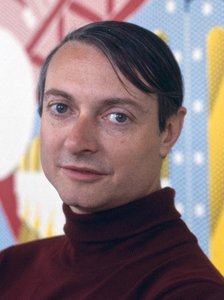
Roy Lichtenstein
1923 - 1997 , Ameerika Ühendriigid
Lühikest infot
- Artistic Movement Or Style: Pop Art
- Artists Or Movements Influenced By This Artist: ['Pop Art']
- Artists Who Influenced This Artist: ['Reginald Marsh']
- Date Of Birth: 1923
- Date Of Death: 1997
- Full Name: Roy Fox Lichtenstein
- Nationality: Ameerika
- Notable Artworks:
- Whaam!
- Drowning Girl
- Oh, Jeff…I Love You, Too…But…
- Masterpiece
- Look Mickey
- Place Of Birth: Manhattan, USA
Sarnased artiklid

25 Iconic Roy Lichtenstein Masterpieces That Defined Pop Art
Immerse yourself in the vibrant world of Pop Art with our curated guide to Roy Lichtenstein's top 25 masterpieces. Explore the stories behind his iconic Ben-Day dots and bold comic aesthetics. Find museum-quality reproductions for your decor. Discover all masterpieces on AllPaintingsStore.com.

Who is Roy Lichtenstein: Pop Art Style and Key Works
Learn about Roy Lichtenstein's Pop Art style and view our catalog of high-volume reproductions available in multiple sizes for commercial procurement.


