


 Vaata sisu
 Jaga teost
 Jaga
Jaga
 Detailid
 Õppekate juhend

 Laadi alla
 Sarnased teosed
 Röntgenuuring
 Slaidietendus
 Statistika
venus and mars


 Loe lähemalt
Giclée / Kunstiprint
Muuseumikvaliteediga giclée- või kangasprint kiire tootmisega ja paindlikud viimistlusvõimalused. ( Telli käsitsi maalitud reproduktsioon Ülemineku digitaalse pildi müügi kanalisse)




P118B €10

P118H €10

P118W €10

P438Z €10

P508JH €12

P508YH €12

P805H €10

P805Z €10

P919BZ €10

P919G €10

P919XJ €10

P959ZH €10

P968JZ €12

W106C €8

W218G €10

W218JH €8

W218Y €10

W307PJ €10

W316G €10

W316PJ €8

W316Y €10

W398PJ €8

W4111J €10

W500HY €15

W500JH €15

W692G €12

W849H €8

W940BG €15

W953PJ €8




Vali meie eelmääratud suurused, mis vastavad teose algupärastele proportsioonidele.

Sisestage vajalik laius ja kõrgus, et see sobiks teie raamile või seinale. Trükki saab ainult lõigata, seda ei saa kunagi pildist suuremaks teha, seega ka differentse vormiga suurus kaotab osa pildist. Enne trükkimist saadame teile kinnitamiseks digitaalse näidisprojektsiooni. Sellel lehel näidatud pilt ei kujuta reaalset lõiget — seda näitab ainult näidisprojekttsioon.
Ülemaailmne tarne () 2 nädala jooksul, tavalise 4/5 nädala asemel. (26 oktoober)

Tasuta ekspresssaatmine üle maailma

Kõrgekvaliteediline lina-kangastest muld

Täielik transpordikindlustus

Tollimaksude tagastamise garantii

Värvitoime täpsuse garantii

100 päeva tagastusõigus (ainult defektide korral)

100% raha tagasi garantii

Hulgusoodustus
 Klaasivalik on saadaval ainult kuni 110 cm suuruses teostes

venus and mars
Giclée / Kunstiprint
Reproduktsiooni mõõtmed
-


Lõppsumma
€ 56
A Renaissance Reverie: The Intimate Allegory of Venus and Mars
In the quiet, golden light of the Florentine Renaissance, Sandro Botticelli captured a moment that transcends the boundaries of mere mythology, offering instead a profound meditation on the delicate balance between passion and peace. His masterpiece, Venus and Mars, is not a scene of dramatic conflict or heroic conquest, but rather an exquisite study in vulnerability and repose. As we gaze upon this captivating panel, we find the Roman deities Venus, the goddess of love, and Mars, the god of war, locked in a tender, dreamlike embrace. There is no clashing of swords here; instead, there is the soft rhythm of breath. Mars lies in a deep, defenseless slumber, his formidable strength surrendered to the gentle presence of his lover. Venus watches over him with a serene, knowing gaze, her very essence acting as a soothing balm to the spirit of battle. This intimate tableau invites the viewer into a sanctuary of stillness, making it an ideal centerpiece for any collection seeking to evoke tranquility and timeless elegance.
The technical brilliance of Botticelli shines through in every meticulous stroke of tempera on poplar. A master of the graceful line, Botticelli employs a signature aesthetic that bridges the transition from the late Gothic period to the burgeoning Early Renaissance. His ability to render anatomy with both precision and poetic softness is nowhere more evident than in the figure of Mars, whose muscular form is depicted with a breathtaking, sculptural beauty. The artist utilizes a delicate palette and fine contour lines to create a sense of shallow, focused depth, drawing the eye toward the central figures while celebrating the intricate textures of the surrounding elements. For the discerning collector or interior designer, the painting’s rhythmic composition and fluid movement offer a sophisticated visual harmony that complements both classical and contemporary settings, providing a window into the meticulous craftsmanship of the 15th century.
Symbolism and the Harmony of Opposites
Beyond its surface beauty, Venus and Mars is a rich tapestry of humanist symbolism, designed to resonate with the intellectual currents of Renaissance Florence. The painting serves as a powerful allegory for the triumph of love over strife—the idea that affection possesses the unique power to disarm even the most aggressive forces of nature. This theme is further enriched by the playful presence of infant satyrs frolicking around the sleeping god, representing the untamed, sensual impulses of desire that emerge when the rigors of war are set aside. Even the smallest details, such as the swarm of wasps hovering near Mars’ head, invite deep contemplation; they may represent the stinging potential for pain that exists even within the most profound intimacy, or perhaps serve as a subtle emblem of the fleeting nature of peace. To possess a reproduction of this work is to bring into one's home not just a beautiful image, but a complex philosophical dialogue regarding the eternal dance between strength and softness, conflict and concord.
For those looking to infuse their living spaces with a sense of historical depth and emotional resonance, this work offers unparalleled inspiration. Whether placed in a private study to encourage quiet reflection or as a focal point in a grand salon to spark conversation, the painting’s narrative power remains undiminished by the passage of centuries. It stands as a testament to the enduring allure of classical myth and the human desire for harmony. Through its masterful use of color, light, and symbolic complexity, Botticelli’s Venus and Mars continues to enchant, offering a sophisticated aesthetic experience that celebrates the profound beauty found in moments of absolute surrender.
Küsimused ja vastused
Millise riigi kunstilihubast pärineb Early Renaissance teos "venus and mars"?
Teose "venus and mars" on loonud Itaalia-s sündinud Sandro Botticelli, tuginedes Early Renaissance suunale. Kunstniku päritolu seob teose Early Renaissance stiiliga, mida praktiseerivad Itaalia kunstnikud.
Kuidas saan teoseid „venus and mars“, autor Sandro Botticelli vaadata diapositatsioonina?
Saadaval on diavorama: „venus and mars“, autor Sandro Botticelli teose Slideshow leht.
Kuidas teose "venus and mars" värvid omavahel sobivad?
Teos „venus and mars“, autor Sandro Botticelli kujutab esile Strong Color Unity värvharmooniat.
Sarnased teosed


Kunstniku elulugu
Alessandro di Mariano: Firenze Renessansi Küllus ja Hingeline Ilu
Sandro Botticelli, kelle pärisnimi oli Alessandro di Mariano Filipepi, sündis umbes 1445. aastal Firenzes, Itaalias, ajal, mil linn oli renessanssi kultuurilise õitsemise epitsentrum. Tema elu ja looming olid tihedalt seotud Firenze linna vaimuga; ta ei lahkunud kunagi oma Ognissanti naaberkonnast, mis näitab nii perekondlikke sidemeid kui ka elavat loova keskkonda, mis teda toitis. Tema isa Mariano Filipepi, algselt kullassepp ja hiljem nahavabriku omanik, tutvustas talle juba noorelt käsitööd ja tähelepanelikkust detailide suhtes – omadusi, mis mõjutasid sügavalt Botticelli kunstilist lähenemist. Kuigi esialgsete andmete järgi õppis ta kullasseppa, leidis ta peagi oma kutsumuse Fra Filippo Lippi juhendamisel. See õpipaigastus osutus võtmetäheks, sukeldades teda florentse kooli tehnikatesse ja esteetikasse ning samal ajal ühendades ta mõjukaate patroonidega, nagu Medici perekond. Botticelli loominguline stiil on koheselt äratuntav lüürilise ilu poolest, mida iseloomustavad elegantsed jooned, voolavad kontuurid ja õrn värvitoonide kasutamine. Ta ületas oskuslikult hilisgoti traditsioonide ja kasvava renessansiaegse esteetika vahet, omades mõjutusi sellistelt meistritena Fra Angelico ja Paolo Uccello poolt, kuid kujundades samas ainulaadse isikliku visiooni. Tema tegelased on eeterlikud, sageli kujutatud pikendatud proportsioonidega ja viisakatel poosidel, mis väljendavad nii rahu kui ka õrna melanhooliast. Tema tööde eripäraks on sagedane klassikalise mütoloogia kasutamine – peegeldus renessanssiaegsete Firenze inimeste huvi vastu. Ta ei illustreerinud neid muistseid lugusid lihtsalt; ta andis neile uusi tähendustasandeid, uurides armastuse, ilu ja vaimulise igatsuse teemasid. Botticelli kasutas uuenduslikke tehnikaid oma ajale omaselt. Ta kasutas sageli hõbekirjutusmeetodit (silverpoint) esimaalinguna, mis aitas kaasa tema lõuendi valgusrikkale ja õrnale detailile. Temperavärvide kasutamine võimaldas talle täpset kujutamist ja erksaid värve, samas kui hilisemad katsetused õlivärviga laiendasid tema väljendusvõimalusi."Venus sünd" ja "Primavera": Sümbolid Renessansi Ideaalidest
Botticelli jääb ajalukku tänu mõnedele ikoonilistele maalidele, mis jätkavad sajandeid publikut vaimustades. Umbes 1486. aastal valminud „Venuse sünd“ on võib-olla tema tuntuim teos – allegoriline kujutus jumalannast, kes kerkib merekarbist, kehastas renessanssiaegsete ilu ja harmoonia ideaale. Selle graatsiline kompositsioon, õrn värvipalett ja erootiline sümbolism on muutnud selle ajastu kütkivaks sümboliks. Samavõrra tuntud on „Primavera“, mis valmis umbes 1482. aastal – keeruline ja salaperane maal, mis tähistab kevadet ja armastust ning mida täidavad klassikalisest mütoloogiast pärit sümbolilised tegelased. Need tööd näitavad Botticelli meisterlikkust kompositsioonis, tema võimet luua atmosfäärset sügavust ja tema sügavat inimhinge mõistmist. On arvatud, et kunstnik kujutas „Venuse sünnil“ oma armastatut Simonetta Vespuccit, Firenze kaunimat naist. Kuigi selle hüpoteesi on kahtluse alla seadnud kunstiajaloolased, jääb see romantiliseks legendiks, mis lisab maalile veelgi võlu.Savonarola Mõju ja Hilisem Looming
1490. aastatel mõjutas Botticelli loomingut Girolamo Savonarola, dominikaani munk ja jutlustaja, kes südaselt moralistlik mees, tegutses Firenzes. Savonarola hoiatas Firenze dekadentsuse ja moraalse korruptsiooni eest ning see mõjutas Botticelli hilisemat loomingut, mis muutus karmimaks ja vaimulisemaks. See periood andis sündmusele rohkem sisukate ja emotsionaalselt laetud töödele, mis peegeldavad kasvavat vaimulikku intensiivsust. Tema teoste värvipalett muutus tumedamaks ning kujutised väljendasid sügavamat piinlikkust ja kahtlust.Unustuse Varjudest Uue Avastamiseni
Botticelli surma järel aastal 1510 kadus tema maine järk-järgult unustusse. Pea kolm sajandit olid tema tööd varjutatud Leonardo da Vinci ja Michelangelo nagu High Renaissance meistrite saavutuste poolt. Kuid 19. sajandi lõpus toimus märkimisväärne taastamine Pre-Raphaelite vennaskonna tõttu – rühm inglise kunstnikke, kes keelasid ära akadeemilised konventsioonid ja otsisid inspiratsiooni varase Itaalia renessansi kunstist. Nad olid vaimustunud Botticelli lineaarse graatsia, erksate värvide ja poeetliku tundlikkuse üle, tunnistasid teda vennaks. See uuenenud hindamine põhjustas tema töö laialdase ümberhindamise, mis kindlustas tema koha ühe olulisema renessanssiaegse kunstnikuna. Tänapäeval tähistatakse Botticelli oma ainulaadse kunstilise visiooni, meisterliku tehnikaga ja jätkuva võime poolest ärgata ilu, emotsioone ja vaimulikku kaitsmist. Tema mõju on näha järgmistes põlvkondades kunstnike seas, kes on püüdnud oma töödes sama graatsiat ja elegantsi jäädvustada. Ta jääb Firenze kunsti saavutuse sümboliks ja tõestuseks renessanssi humanismi võimsast mõjust.Peamised Teosed
- "Venuse sünd" (umbes 1486): Ikoneiline kujutus, mis kehastas renessanssiaegsete ilu ideaale.
- "Primavera" (umbes 1482): Keeruline allegoriline maal, mis tähistab kevadet ja armastust.
- "Magi kummardamine" (1475–1476): Näitab varajast meisterlikkust kompositsioonis ja perspektiivis.
- "Vaimulik Jõulud" (1501): Peegeldab tema hilisemas karjääris vaimuliste teemade poole muutumist.
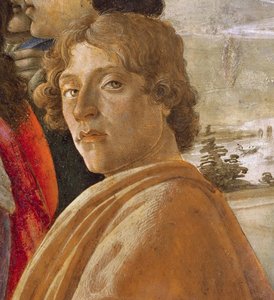
Sandro Botticelli
1445 - 1510 , Itaalia
Lühikest infot
- Artistic Movement Or Style: Vararenessanss
- Artists Or Movements Influenced By This Artist: ['Pre-Raphaelites']
- Artists Who Influenced This Artist:
- Fra Angelico
- Paolo Uccello
- Date Of Birth: u 1445
- Date Of Death: 1510
- Full Name: Alessandro di Mariano Filipepi
- Nationality: Itaalia
- Notable Artworks:
- Venuse sünd
- Primavera
- Noli me tangere
- Place Of Birth: Firenze, Itaalia
Sarnased artiklid
Uffizi Galeri 25 Kunsti Helmi: Renessansi Meisterteosed Teie Kodus
Avastage Uffizi galerii 25 suurimat meistriteost! Sukeldume renessansi kunstimaailma – Leonardo da Vinci, Botticelli ja Michelangelo lood. Leidke täiuslik maali oma kodukaunistuseks AllPaintingsStore.com-is.

Eternal Love: Top 10 Wedding Art Gifts & Their Meaning |
Find the perfect wedding gift! Explore 10 meaningful art gifts – from Monet to Klimt – symbolizing love & lasting commitment. Discover museum-quality reproductions and curated decor ideas at .

Romantic Masterpieces: 10 Artworks to Stir Your Soul |
Fall in love with art! Explore 10 iconic romantic paintings – from Renaissance classics to Impressionist masterpieces. Discover the stories behind artists like Monet & Klimt, and find museum-quality reproductions for your home at .

Sandro Botticelli 25 Parimat Teost: Ilu, Müüdid ja Renessansi Suurmeister AllPaintingsStore.com-is
Avastage Sandro Botticelli 25 parimat teost! Sukeldume Renessansi ilu, müütide ja Firenze suurmeistri ajatusse maailma. Kvaliteetsed reproduktsioonid ja kunst interjööris – AllPaintingsStore.com-is. Avasta kõik meistriteosed veebis!
Varase renessansi 10 meistriteost: Kunsti ja disaini ajatu inspiratsioon
Sukeldu varase renessansi maailma! Avasta 10 meistriteost – Leonardo, Michelangelo jt – mis muutis kunsti ajatuiks. Giotti värvid ja Botticelli ilu ootavad sind. Leia inspiratsiooni interjööriks AllPaintingsStore.com-ist!


