


 Eelvaade
 Saada
Saada Jaga
Jaga
 Teave teose kohta
 Juhend

 Laadi alla
 Sarnased teosed
 Röntgenuuring
 Slaidietendus
 Q&A
Q&A Statistika
The Fortune Teller

- 95.0 x 135.0 cm


 Loe lähemalt
Giclée / Kunstiprint
Muuseumikvaliteediga giclée- või kangasprint kiire tootmisega ja paindlikud viimistlusvõimalused. ( Osta käsitsi maalatud teos Lülita digitaalse pildi juurde)




P118B €10

P118H €10

P118W €10

P438Z €10

P508JH €12

P508YH €12

P805H €10

P805Z €10

P919BZ €10

P919G €10

P919XJ €10

P959ZH €10

P968JZ €12

W106C €8

W218G €10

W218JH €8

W218Y €10

W307PJ €10

W316G €10

W316PJ €8

W316Y €10

W398PJ €8

W4111J €10

W500HY €15

W500JH €15

W692G €12

W849H €8

W940BG €15

W953PJ €8




Vali meie eelmääratud suurused, mis vastavad teose algupärastele proportsioonidele.

Sisestage vajalik laius ja kõrgus, et see sobiks teie raamile või seinale. Trükki saab ainult lõigata, seda ei saa kunagi pildist suuremaks teha, seega ka erineva mustega suurus kaotab osa pildist. Enne trükkimist saadame teile kinnitamiseks digitaalse näidisprojektsiooni. Sellel lehel näidatud pilt ei kujuta reaalset lõiget — seda näitab ainult näidisprojektsioon.
Ülemaailmne tarne () 2 nädala jooksul, tavalise 4/5 nädala asemel. (31 oktoober)

Tasuta ekspresssaatmine üle maailma

Kõrgekvaliteediline lina-kangas

Täielik transpordikindlustus

Tollimaksude tagastamise garantii

Värvitoime täpsuse garantii

100 päeva tagastusõigus (ainult valmistusdefektide korral)

100% raha tagasi garantii

Hulgusoodustus
 Klaasivalik on saadaval ainult kuni 110 cm suuruses teostes

The Fortune Teller
Giclée / Kunstiprint
Reproduktsiooni suurus
-


Koguhind
€ 57
The Enigmatic Allure of Simon Vouet’s “The Fortune Teller”
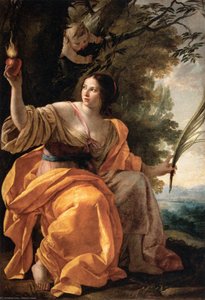
Simon Vouet's "The Fortune Teller," painted in 1617, isn’t merely a portrait; it’s a carefully constructed tableau brimming with intrigue and a palpable sense of the mystical. Housed within the venerable Galleria Nazionale d’Arte Antica in Rome, this oil on canvas invites viewers into a dimly lit chamber where the boundaries between reality and prophecy blur. Vouet, a pivotal figure bridging the Mannerist and Baroque eras, masterfully employs chiaroscuro – the dramatic interplay of light and shadow – to draw our attention to the central figures and imbue the scene with an almost theatrical intensity.
The composition itself is deliberately layered. At its heart sits a man, his features obscured by a wide-brimmed hat and a flowing beard, engaged in a hushed conversation. He holds an open book, seemingly offering guidance or revealing secrets. Flanking him are two women, their attire – one clad in vibrant red, the other in deep blue – adding splashes of color to the predominantly dark palette. Their attentive gazes suggest they are both recipients and observers of this unfolding drama. The background, rendered in muted tones, serves primarily as a backdrop, emphasizing the figures and creating an atmosphere of hushed anticipation.
A Masterclass in Baroque Technique
Vouet’s technique is a fascinating blend of influences. He absorbed the dramatic lighting favored by Caravaggio, but tempered it with a more refined elegance characteristic of French portraiture. Notice how light pools around the faces and hands, highlighting their expressions and gestures while leaving much of the scene shrouded in shadow. This creates a sense of depth and mystery, inviting speculation about the events taking place within the room. The brushstrokes are smooth and blended, contributing to the painting’s overall polished appearance – a hallmark of Vouet's style.
The use of *sfumato*, another technique borrowed from Leonardo da Vinci, is subtly present, softening edges and creating an atmospheric haze that further enhances the sense of depth. Vouet wasn’t simply replicating Caravaggio; he was adapting his innovations to suit the evolving tastes of the French court, resulting in a uniquely sophisticated style.
Symbolism and Historical Context
"The Fortune Teller" is steeped in symbolism, reflecting the prevailing fascination with astrology, divination, and the occult during the early 17th century. The book held by the central figure likely represents knowledge, prophecy, or perhaps even fate itself. The women, often interpreted as representing fortune tellers or advisors, are positioned to receive this information. The red and blue garments could symbolize different types of wisdom or guidance – a common motif in Renaissance art.
Painted during a period of significant artistic transition in France, Vouet’s work exemplifies the shift from the rigid formality of Mannerism towards the more dynamic and emotionally expressive style of the Baroque. His patronage by influential figures like Cardinal Richelieu helped establish him as one of the leading artists of his time, shaping the course of French painting for decades to come.
A Timeless Appeal: Reproduction Possibilities
The enduring appeal of “The Fortune Teller” lies in its ability to evoke a sense of mystery and intrigue. It’s a scene ripe with narrative possibilities, prompting viewers to imagine the story behind the figures and their exchange. Today, high-quality reproductions of this captivating artwork are available through AllPaintingsStore.com, meticulously crafted using traditional oil painting techniques and premium materials, ensuring that the drama and emotional depth of Vouet's original masterpiece are faithfully preserved. These reproductions offer a beautiful way to bring this iconic work into your home or office – a testament to the enduring power of art.
For further exploration, consider visiting the Galleria Nazionale d’Arte Antica in Rome or delving into online resources like the Web Gallery of Art (The Fortune Teller by VOUET, Simon) and exploring Valentin de Boulogne's work for a deeper understanding of Caravaggio’s influence.
Korduvad küsimused
Kas teose „The Fortune Teller“, autor Simon Vouet pilt on vabalt reproduseeritav?
Tegijateõiguse osas on teos "The Fortune Teller" kuuluv klassifikatsiooni alla: avalikus õiguses – selle autoriõigud onหมดunud.
Millal ja millistest materjalidest on teos "The Fortune Teller" valmistatud?
Teose „The Fortune Teller“, autor Simon Vouet tehnika on Oil On Canvas ning selle valmimisajaks on märgitud 1617.
Millissele kunstisuunale kuulub teos „The Fortune Teller“, autor Simon Vouet?
Teos „The Fortune Teller“, autor Simon Vouet kuulub French Baroque suunasse. See suund annab teosele stilistilise konteksti.
Sarnased teosed




Kunstniku elulugu
Simon Vouet: Prantsilinejadaja Prantsuse Barokika Maalegi
- Sündinud: 9. janel, 1590, Pariis, Prantsus
- Survenud: 30. juuni, 1649, Pariis, Prantsus
Simon Vouet oli keeruline isik Prantsuse maaliku süutmises Mannerismist Barokika stiilima. Sündides kunstlikusse perere – tema isa Laurent oli maaler ja tema vend Aubin püüdis ka kunsti – sai Vouet varajase koolituse, mis loomis alusta tema tulevikule edukusele. Tema lapselaps, Ludovico Dorigny, jätkas pereli kunstlikku pärandi.
Varane Karjääri ja Itaalia Vaikus (1608–1627)
- Varane Portreteerimine: Vouet alustas oma karjääri portreteerijana, näites varajase talendi.
- Säiled Inglismaalasse (1608): Noore ning 14-näeldesel aastal reisis ta Inglismaale tellitud portreedi maalima, näites oma kasvava maine.
- Ottomaania Imperium ja Venetsia: 1611. aastal liitus Vouet Baron de Sancy rühmaga, Prantsuse ambassjaor Ottomaania imperiumis, uuesti portreteerimise tööga. See reis viis ta Konstantinopelisse ja seejärel 1612. aastal Venetsia.
- Rooma (1614–1627): Tema ajal Roomas tõldi muuta. Ta jäi sinna kolmte aasta jooksul, süvenemata end kasvava Barokika perioodi elujõulisse kunstlikusse arengule.
Tema Itaalia ajajal absorbeeris Vouet mitmeid erinevaid mõjuallusid. Ta õppis Caravaggio poolt pioneeritud dramaatilisi valgusvõte tehnikaid, omaks võttis Itaalia Mannerismi elemente ja süvenelt analüüsis Paolo Veronese kasutatavaid värvipalette ja di sotto in su (vahekülik perspektiivi). Ta sai inspiratsiooni ka Carracci, Guercinost, Lanfrancost ja Guido Renist teostest, sünteesides need erinevad stiilid ainulaadse kunstliku visiooni.
Voueti Unikaalse Stiili Arendus
- Valimine Accademia di San Luca jäksel (1624): Tema edukus Roomas viis teda prestižiilisse Accademia di San Luca presidendiks, mis oli tõestus tema oskusest ja tunnustamisest Itaalia kunstmaailmas.
- Mõjualluste Süntees: Voueti stiili iseloomustas tema võime absorbeerda ja destilleerida erinevaid kunstlikke mõjuallusi. Ta ei lihtsalt kopeerinud; ta integreeris need elemendid kooskõlasse ja selgelt itaalia sündmuste Barokika esteetika.
- Barokika Tuvedmine Prantsuses: 1627. aastal Prantsuse tagasi saabudes mängis Vouet kriitilist rolli Itaalia Barokika stiili tuvedmisel Prantsuse maalile, mõjutades märkimisväärselt riigi kunstlikku maastikku.
Peamised Saavutused ja Pärand
- Premier Peintre du Roi: Vouet sai titteli Premier peintre du Roi (Kuninga esimene maalaja) – kohaks, mis oli märkimisväärne prestiži ja mõju.
- Üleabundav Tegemiskoht: Ta hoitis suurte ja aktiivse tegemiskohtu, koolitades paljut kunstnike, kes vormidasid edaspidist Prantsuse maalijaputke.
- Märkimisväärsed Oppilased: Tema mõjuvivaimad oppilased olid Charles Le Brun (kes hiljem korraldas Versailles'de kogu dekoratiivse maalingat), Valentin de Boulogne, Charles Alphonse du Fresnoy, Pierre Mignard, Eustache Le Sueur ja Claude Mellan.
- Mõju Prantsuse Kunstil: Voueti mõju ulestus tema oma teostest; tema õpilased võtsid tema stiili ja tehnikaid üle kogu Prantsuse, luues selgelt Barokika maaliku kooli. Tema mõju on eriti nähtav Louis XIV tellitud suurtes dekoratiivsetes skeemides.
Histooriline Tähtsus
Simon Voueti pärand põhineb tema keerulisel rollil Itaalia ja Prantsuse kunsti vahel sillana. Ta võttis edukalt Itaalia Barokika dünaamika ja grandioosi, muuta selle stiiliks, mis kõnetas Prantsuse hovi ja aristokraatia maitseid. Tema mõju on eikaartlik 17. sajanni Prantsuse maaliku arengu jooksul, ja tema panused jäävad kunstihistoorikute jaoks tänapäeval tunnustatud.

Simon Vouet
1590 - 1649 , Prantsus
Lühikest infot
- Artistic Movement Or Style: Barokipainting
- Artists Or Movements Influenced By This Artist:
- Charles Le Brun
- Valentin de Boulogne
- Prantsuse barokipainting
- Artists Who Influenced This Artist:
- Caravaggio
- Paolo Veronese
- Carracci
- Guercino
- Lanfranco
- Guido Reni
- Date Of Birth: 9. tasanapäeval, 1590
- Date Of Death: 30. juunil, 1649
- Full Name: Simon Vouet
- Nationality: Prantsuse
- Place Of Birth: Pariis, Prantsus
Sarnased artiklid

The Dramatic Flourish: Exploring the Baroque Movement's Enduring Legacy in Art History
Explore the dramatic world of Baroque art! Discover iconic artists like Caravaggio & Rubens, defining techniques, and its lasting impact on art history. Expert insights for collectors & enthusiasts at AllPaintingsStore.

Baroki draama ja luksus: Kuidas ajalooline elegants kaasaegsesse interjööri tuua
Avastage baroki maalide võlu AllPaintingsStore'is! Käsitsi valmistatud reproduktsioonid, fotodest maalid ja ekspertkonsultatsioonid. Toome ajaloolise elegantsi Teie interjööri. Kvaliteet garanteeritud!

The Enduring Legacy of Oil on Canvas: Technique, History & Aesthetic Impact
Explore the rich history & techniques of oil painting – from Renaissance masters to Impressionism. Discover pigments, layering methods, and why this timeless medium endures. Expert insights for artists & art enthusiasts.

The Enduring Power of Painting: A Historical & Contemporary Exploration of Form and Emotion
Explore the rich history & enduring techniques of oil painting with AllPaintingsStore. Discover masterpieces, learn about art collecting, and find authentic handmade reproductions crafted by skilled artists.

Simon Vouet: A Baroque Master's Journey from Italian Influence to French Classicism
Explore the life & art of Simon Vouet, a pivotal French Baroque painter who introduced Italian styles to France. Discover his masterpieces and lasting influence on 17th-century art.

