Eelvaade
 Saada
Saada Jaga
Jaga
 Teave teose kohta

 Laadi alla
 Sarnased teosed
 Röntgenuuring
 Slaidietendus
Christ Risen


 Loe lähemalt
Giclée / Kunstiprint
Muuseumikvaliteediga giclée- või kangasprint kiire tootmisega ja paindlikud viimistlusvõimalused. ( Osta käsitsi maalitud maal Osta pilt)




P118B $10

P118H $10

P118W $10

P438Z $10

P508JH $12

P508YH $12

P805H $10

P805Z $10

P919BZ $10

P919G $10

P919XJ $10

P959ZH $10

P968JZ $12

W106C $8

W218G $10

W218JH $8

W218Y $10

W307PJ $10

W316G $10

W316PJ $8

W316Y $10

W398PJ $8

W4111J $10

W500HY $15

W500JH $15

W692G $12

W849H $8

W940BG $15

W953PJ $8




Vali meie eelmääratud suurused, mis vastavad teose algupärastele proportsioonidele.

Saate sisestada oma mõõdud, et need sobiks konkreetse raami või ruumi sisse. Kui valitud suurus ei vasta originaalteose proportsioonidele, lõigame teose ära või laiendame pilti peegeldatud või ühtlase servaga. Enne tootmisprotsessi algust saadetakse Teie kinnitamiseks digitaalne näidis.
Palun märka, et ekraanil kuvatav eelvaade ei kajasta tegelikku lõigamist või laiendamist. Ainult näidis kujutab täpselt lõplikku kompositsiooni.
Kuigi erimõõdu on saadaval, soovitame originaaproportsioonide säilitamiseks valida mõõt ette määratud nimekirjast.
Ülemaailmne tarne () 2 nädala jooksul, tavalise 4/5 nädala asemel. (19 august)

Tasuta ekspresssaatmine üle maailma

Kõrgekvaliteediline linakangas

Täielik transpordikindlustus

Tollimaksude tagastamise garantii

Värvitoime täpsuse garantii

60-päevane tagastusõig: ainult tootmisdefektide korral

100% raha tagasi garantii

Hulgusoodustus
 Klaasivalik on saadaval ainult suuruses kuni 110 cm

Christ Risen
Giclée / Kunstiprint
Reproduktsiooni suurus
-


Kogusumma
$ 64
Kogumuse kirjeldus
Introduction
Art has the power to evoke emotions and resonate with viewers in unique ways. Throughout history, various art styles have emerged, each with its distinct characteristics and emotional impact. In this article, we will explore Peter Paul Rubens' "Christ Risen" and delve into the emotional impact of this masterpiece.Peter Paul Rubens: A Flemish Baroque Master
Peter Paul Rubens (1577-1640) was a prominent Flemish painter who played a crucial role in the development of the Baroque style. His works are characterized by their dynamic compositions, vibrant colors, and rich textures. As an expert in Art and hand-made oil paintings reproductions, we invite you to explore Rubens' captivating world of art."Christ Risen": A Visual Feast
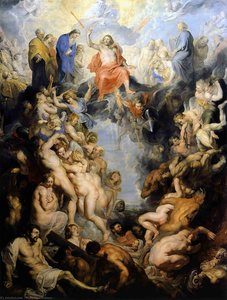
"Christ Risen" is a remarkable example of Rubens' mastery in depicting religious themes with great emotional intensity. The painting showcases Christ standing triumphantly over his tomb, surrounded by adoring angels and soldiers who appear to be in awe. The dramatic use of light and shadow adds depth and movement to the composition, evoking feelings of reverence and admiration.The Emotional Impact of "Christ Risen"
Rubens' "Christ Risen" is a powerful visual representation of Christ's resurrection, which has been a source of inspiration for countless viewers throughout history. The painting's emotional impact lies in its ability to convey the divine nature of Christ and the profound significance of his resurrection. By combining dynamic compositions with rich colors and textures, Rubens invites us to contemplate the deeper meaning of this pivotal event in Christian theology.Conclusion
Peter Paul Rubens' "Christ Risen" is a testament to the emotional power of art. By exploring the unique characteristics of Baroque style, we can better understand how Rubens evokes feelings of reverence and admiration in viewers. At AllPaintingsStore, we are proud to offer high-quality hand-made oil paintings reproductions that allow art enthusiasts to experience the emotional impact of masterpieces like "Christ Risen" firsthand. Peter Paul Rubens: Christ Risen, 1612 (Oil on canvas)Sarnased teosed


Kunstniku elulugu
Sir Peter Paul Rubens: A Baroque Master!
Peter Paul Rubens, a name synonymous with the exuberant grandeur of the Baroque era, stands as one of Flanders’s most celebrated artists and arguably Europe's foremost painter of his time. More than simply capturing visual beauty, Rubens sought to evoke emotion, convey moral lessons, and celebrate human potential—a mission that cemented his place in art history and continues to inspire admiration today. Born in Siegen, Germany, on June 28th, 1577, Rubens’s early life was marked by upheaval – a formative experience that subtly infused his artistic vision with an undercurrent of drama and resilience. His father, Jan Rubens, a lawyer fleeing religious persecution for Calvinist beliefs, relocated the family from Antwerp, then firmly under Spanish rule, initiating a period of displacement that would shape Peter Paul’s worldview. This initial exile instilled in him a profound appreciation for adaptability—a quality that served him exceptionally well throughout his multifaceted career as an artist, diplomat, and scholar. Following Jan Rubens' untimely death in 1587, the family returned to Antwerp, where young Peter Paul received a humanist education before embarking on his artistic training around 1590, apprenticing under Tobias Verhaecht and Adam van Noort—acquiring foundational skills in drawing and mastering the techniques of oil painting.The Italian Awakening: Absorbing Renaissance Genius
A pivotal moment arrived in 1600 when Rubens undertook a transformative journey to Italy – a pilgrimage that irrevocably altered his artistic trajectory. For eight years, he immersed himself in the masterpieces crafted by Michelangelo, Raphael, and Titian—absorbing their mastery of form, color, and composition with unwavering dedication. The influence of these Renaissance titans is palpably present in Rubens’s early Italian works, characterized by classical themes and idealized figures – a deliberate effort to emulate the stylistic ideals of his predecessors. Yet, Rubens didn't merely imitate; he synthesized these influences with his innate talent—developing a distinctive style that transcended mere replication. He meticulously studied anatomy, achieving an unprecedented level of realism in depicting the human body—a hallmark of his Baroque aesthetic. This pursuit of anatomical accuracy wasn’t solely driven by artistic ambition; it reflected a broader humanist conviction that championed observation and understanding as pathways to knowledge and beauty. Rubens's meticulous approach extended beyond mere visual representation; he engaged deeply with philosophical concepts, fostering an intellectual curiosity that enriched his artistic endeavors.A Painter of Epic Scale: Defining the Baroque Style
Rubens’s artistic output was astonishingly diverse—spanning history paintings, mythological scenes, portraits, landscapes, and religious commissions—demonstrating a remarkable versatility that defied categorization. He achieved unparalleled success in monumental canvases intended for churches and palaces—creating immersive experiences for viewers through masterful use of color, light, and dramatic composition. Consider The Descent from the Cross (c. 1616-1617), arguably Rubens’s most iconic work: The painting depicts Jesus Christ descending from the cross, surrounded by Mary Magdalene, Nicodemus, Joseph of Arimathea, and John Evangelist—a scene rendered with breathtaking realism and imbued with profound emotional resonance. Rubens skillfully employed chiaroscuro – dramatic contrasts between light and shadow – to heighten the sense of pathos and convey the spiritual significance of the event. Similarly, The Raising of the Cross (1610-1611) captures the fervor and energy of the biblical narrative—figures surging upwards in dynamic movement against a turbulent sky—a testament to Rubens’s ability to translate theological concepts into visual spectacle. His technique was equally remarkable – utilizing impasto—thickly applied paint—to create textural surfaces that seemed to pulsate with life, alongside delicate glazing techniques to achieve luminous effects—a masterful demonstration of artistic innovation.Diplomacy and Patronage: Shaping European Culture
Beyond his prodigious artistic achievements, Rubens possessed considerable diplomatic acumen—serving as envoy for the Habsburg Netherlands during periods of intense political instability. He skillfully navigated complex negotiations, securing alliances and bolstering Habsburg prestige—a role that afforded him invaluable insight into the dynamics of European politics. His reputation as a cultured humanist extended beyond formal scholarship; he amassed an impressive collection of antiquities and artworks—demonstrating a passion for beauty and intellectual stimulation that mirrored his artistic sensibilities. Rubens’s patronage played a crucial role in fostering artistic innovation—supporting young artists and commissioning ambitious projects that elevated Antwerp to the forefront of European art culture. He established a large studio staffed by numerous assistants—producing an astounding volume of paintings that catered to the tastes of aristocratic patrons throughout Europe—a testament to his entrepreneurial spirit and unwavering dedication to his craft.Legacy: An Enduring Influence on Art History
Rubens’s influence reverberates through subsequent generations of artists—inspiring painters like Anthony van Dyck, Jacob Jordaens, and Eugène Delacroix—who adopted his dynamic compositions, vibrant color palettes, and sensual depictions of the human form as hallmarks of their own artistic styles. His legacy extends beyond stylistic imitation; Rubens championed a humanist worldview that emphasized observation, reason, and empathy—values that continue to resonate with contemporary audiences. He remains, centuries later, an undisputed titan in the annals of art history—a symbol of Baroque grandeur, artistic innovation, and enduring cultural significance.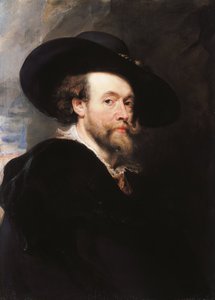
Peter Paul Rubens
1577 - 1640 , Saksa
Lühikesed faktid
- Artistic Movement Or Style: Барокко
- Artists Or Movements Influenced By This Artist: ['Антони ван Дейк']
- Artists Who Influenced This Artist:
- Микеланджело
- Рафаэль
- Тициан
- Date Of Birth: 28 juin 1577
- Full Name: Sir Peter Paul Rubens
- Nationality: Фламандская
- Notable Artworks:
- Схождение Христа с Креста
- Подъем Креста
- Портрет Изабеллы Бранта
- Place Of Birth: Siegen, Германія
Seotud artiklid

The Dramatic Flourish: Exploring the Baroque Movement's Enduring Legacy in Art History
Explore the dramatic world of Baroque art! Discover iconic artists like Caravaggio & Rubens, defining techniques, and its lasting impact on art history. Expert insights for collectors & enthusiasts at AllPaintingsStore.
Alte Pinakothek: 25 meistriteost Münchenis – Kunstikollektsioon teie interjööri
Avastage Alte Pinakothek Müncheni 25 suurimat meistriteost! Sukeldume renessansi, baroki ja klassikalise kunsti maailma. Leonardo da Vinci, Rubens ja teised – leidke inspiratsiooni interjööri kujunduseks AllPaintingsStore.com-is. Vaadake kollektsiooni!

Baroki tippteosed: 10 kunstiteost, mis muutisid maailma
Sukeldu baroki maailma! Avasta 10 meistriteost, mis defineerisid kunstivoolu – Rembrandt, Caravaggio jt. Loe lugusid, vaata värve ja naudi ajatu ilu. Leia inspiratsiooni interjööriks AllPaintingsStore.com-ist!

Baroki draama ja luksus: Kuidas ajalooline elegants kaasaegsesse interjööri tuua
Avastage baroki maalide võlu AllPaintingsStore'is! Käsitsi valmistatud reproduktsioonid, fotodest maalid ja ekspertkonsultatsioonid. Toome ajaloolise elegantsi Teie interjööri. Kvaliteet garanteeritud!

Peter Paul Rubens: A Baroque Master's Life, Legacy & Enduring Influence
Discover the life & art of Peter Paul Rubens, the most influential artist of the Flemish Baroque tradition. Explore his masterpieces, legacy, and impact on art history with AllPaintingsStore.