


 Eelvaade
 Saada
Saada Jaga
Jaga
 Teave teose kohta

 Laadi alla
 Sarnased teosed
 Röntgenuuring
 Slaidietendus
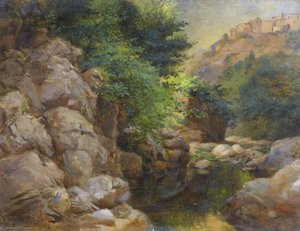
Threshing
 Impressionism
 50.0 x 76.0 cm
 Royal Scottish Academy of Art - Architecture
 Loe lähemalt
Käsitsi valmistatud õlimaalireproduktsioon
Meie kunstnike poolt tellimusel valmistatud käsitsi maalitud õli-kainaste teos teie soovitud suuruses ja raamis. ( Osta print Osta pilt)




































Vali meie eelmääratud suurused, mis vastavad teose algupärastele proportsioonidele.

Sa võite sisestada oma mõõtmed konkreetse raami või ruumi sobivuse tagamiseks. Kui teie valitud suurus ei vasta originaalpildi proportsioonidele, siis kärvime kunstiteost või laiendame maali täiendavate käsitsi maalitud elementidega. Enne tootmise algust saadetakse teile heakskiitmiseks digitaalne eelvaade.
Palun pidage meeles, et ekraanil kuvatav eelvaade ei kajasta tegelikku kärpimist või laiendamist. Ainult eelvaade näitab täpselt lõplikku kompositsiooni.
Kuigi on saadaval kohandatud suurused, soovitame originaalproportsioonide säilimiseks valida mõõdud eelmääratletud nimekirjast.
Pärast tellimust saadab AllPaintingsStore.com meeskond kliendile e-posti juhised ning esitab eelvaate kavandi.
Maailmline tarne 3–4 nädala jooksul tavalise 5 nädala asemel. (13 august). Kvaliteedis kompromisse ei tehta.

Tasuta ekspresssaatmine üle maailma

Kõrgekvaliteediline linakangas

Täielik transpordikindlustus

Tollimaksude tagastamise garantii

Värvitoime täpsuse garantii

60-päevane tagastusõig: ainult tootmisdefektide korral

100% raha tagasi garantii

Hulgusoodustus
 Klaasivalik on saadaval ainult suuruses kuni 110 cm

Threshing
Reproduktsiooni tehnika
Reproduktsiooni suurus
-


Kogusumma
$ 258
Sarnased teosed




Kunstniku elulugu
Thomas Austen Brown: A Visionary of Victorian Hospitals
Thomas Austen Brown (1859-1924) remains a quietly significant figure in 19th-century British art, often overshadowed by the grand narratives of the Hudson River School and the Pre-Raphaelites. Yet, within his distinctive oeuvre lies a profound exploration of human experience, particularly as witnessed through the lens of Victorian hospitals and charitable institutions. Born in London, Brown’s artistic journey was shaped by a deep empathy for the marginalized and vulnerable, a sensibility that profoundly informed his unique style and subject matter.
Early influences are somewhat elusive, though it's believed he initially studied under John Atkinson Grimshaw, a prominent figure in the Northern School of Painting. However, Brown quickly developed an independent voice, characterized by a loose, expressive brushwork and a remarkable ability to imbue his subjects with a palpable sense of humanity. His early works often depicted scenes from rural life – farmers, shepherds, and laborers – rendered with a gentle realism that hinted at the social commentary to come. Crucially, he began to frequent hospitals and asylums in London, documenting the lives of patients and staff, initially sketching for personal observation but soon recognizing the potential for artistic expression.
The Hospital Series: A Chronicle of Suffering and Compassion
Brown’s most celebrated work revolves around a series of paintings depicting hospital life. These weren't idealized portrayals of medical care; instead, they offered unflinching glimpses into the realities of illness, poverty, and institutional existence. He meticulously observed the routines of nurses, the expressions of patients – often those afflicted with debilitating diseases or mental illnesses – and the quiet dignity amidst hardship. His subjects were rarely posed; he captured them in their natural states, conveying a sense of immediacy and authenticity that was remarkably rare for artists of his time.
Works like “Feeding the Pigeons” (1895) exemplify this approach. The painting depicts a nurse tending to patients outside a hospital window, with pigeons pecking at crumbs scattered on the pavement below. It’s not merely a scene of charity; it's an exploration of isolation, vulnerability, and the fleeting moments of connection between caregiver and patient. Similarly, “The Bait Gatherers” (1895) portrays a family struggling to earn a meager living, highlighting the social conditions that often contributed to illness and suffering. These paintings weren’t intended as moralistic statements but rather as empathetic investigations into the human condition.
Brown's technical approach was deliberately loose and impressionistic. He favored broad brushstrokes and vibrant colors, eschewing meticulous detail in favor of capturing the overall mood and atmosphere of his subjects. This technique served to heighten the emotional impact of his work, conveying a sense of immediacy and vulnerability that resonated deeply with viewers.
Influences and Artistic Connections
While Brown’s style is undeniably unique, he was undoubtedly influenced by several key artistic movements and figures. The works of Jean-François Millet, particularly his depictions of peasant life, are evident in Brown's attention to detail and his focus on the struggles of ordinary people. The atmospheric effects of J.M.W. Turner also played a role, as Brown sought to capture the fleeting light and shadow that defined the hospital environment. Notably, he maintained correspondence with Asher Brown Durand, a leading figure in the Hudson River School, exchanging ideas about landscape painting and artistic practice.
Furthermore, his work shares thematic resonances with the social realism of artists like Gustave Courbet, who similarly sought to depict the lives of the working class without romanticizing or idealizing their experiences. The Musée Thomas-Henry in Évreux, France, houses a significant collection of Brown’s paintings, offering visitors a rare opportunity to experience his distinctive artistic vision firsthand.
Legacy and Historical Significance
Thomas Austen Brown's contribution to British art is often overlooked, yet his work remains profoundly moving and historically significant. He was one of the first artists to systematically document hospital life, providing valuable insights into the social conditions of Victorian England and the experiences of its most vulnerable citizens. His paintings are not merely aesthetically pleasing; they are powerful testaments to human compassion and a reminder of the importance of empathy in art.
Today, Brown’s work is increasingly recognized for its psychological depth and its ability to evoke a sense of shared humanity. His legacy extends beyond the realm of fine art, as his paintings continue to be studied by social historians and medical researchers seeking to understand the history of healthcare and the lives of those who received care within Victorian institutions.

thomas austen brown
1859 - 1924
Lühikesed faktid
- Artistic Movement Or Style: Hospital Art
- Artists Or Movements Influenced By This Artist: ['Victorian Art']
- Artists Who Influenced This Artist: ['Jean-François Millet']
- Date Of Birth: 1859
- Date Of Death: 1924
- Full Name: Thomas Austen Brown
- Nationality: British
- Notable Artworks:
- Feeding the Pigeons
- The Bait Gatherers
- Place Of Birth: London, England
Seotud artiklid

Beyond the Horizon: 10 Landscape Masterpieces for Your Home Decor
Journey through 10 breathtaking landscape paintings by Monet, Van Gogh & more! Explore iconic artworks, artistic techniques & find inspiration for your home decor. Museum-quality reproductions at AllPaintingsStore.com. Discover all masterpieces on AllPaintingsStore.com

Impressionistliku Maastiku Tipp 10 Meisterteost: Kunsti ja Disaini Klassika
Avasta impressionistliku maastikukunstiga 10 legendaarset meistriteost! Monet, Renoir jt. värvilised maailmad ja kunstnike lood – AllPaintingsStore.com pakub kaunite kunstide ajaloo klassikat seinakaunistuseks. Uuri kollektsiooni!

Golden Fields & Sun-Drenched Meadows: Capturing the Soul of Impressionist Landscapes
Immerse yourself in the luminous world of Impressionist landscapes. Discover how masters like Monet and Gauguin captured ephemeral light through plein air painting, and learn to bring the soul of sun-drenched meadows into your home with exquisite, hand-painted oil reproductions.
Impressionistic Landscapes: 10 Masterpieces That Changed Art & Decor
Journey into the heart of Impressionism! Explore 10 masterpieces by Monet, Renoir & Degas that revolutionized landscape art. Discover their stories, techniques & find museum-quality reproductions to elevate your home decor on AllPaintingsStore.com.
John Constable: 25 Suurimat Teost Inglise Maastikumaali Tippu
Avastage John Constable'i 25 suurimat teost! Sukeldu inglise maastikumaali romantismisse, imetlege Dedham Vale ilu ja leia inspiratsiooni kodukaunistuseks. Kvaliteetsed kunstireprodutsioonid AllPaintingsStore.com-is. Vaata kohe!



