


 Eelvaade
 Saada
Saada Jaga
Jaga
 Teave teose kohta
 Juhend

 Laadi alla
 Sarnased teosed
 Röntgenuuring
 Slaidietendus
 Q&A
Q&A Statistika
Profane Love (Vanity)


 Loe lähemalt
Giclée / Kunstiprint
Muuseumikvaliteediga giclée- või kangasprint kiire tootmisega ja paindlikud viimistlusvõimalused. ( Osta käsitsi maalatud teos Lülita digitaalse pildi juurde)




P118B €10

P118H €10

P118W €10

P438Z €10

P508JH €12

P508YH €12

P805H €10

P805Z €10

P919BZ €10

P919G €10

P919XJ €10

P959ZH €10

P968JZ €12

W106C €8

W218G €10

W218JH €8

W218Y €10

W307PJ €10

W316G €10

W316PJ €8

W316Y €10

W398PJ €8

W4111J €10

W500HY €15

W500JH €15

W692G €12

W849H €8

W940BG €15

W953PJ €8




Vali meie eelmääratud suurused, mis vastavad teose algupärastele proportsioonidele.

Sisestage vajalik laius ja kõrgus, et see sobiks teie raamile või seinale. Trükki saab ainult lõigata, seda ei saa kunagi pildist suuremaks teha, seega ka erineva mustega suurus kaotab osa pildist. Enne trükkimist saadame teile kinnitamiseks digitaalse näidisprojektsiooni. Sellel lehel näidatud pilt ei kujuta reaalset lõiget — seda näitab ainult näidisprojektsioon.
Ülemaailmne tarne () 2 nädala jooksul, tavalise 4/5 nädala asemel. (31 oktoober)

Tasuta ekspresssaatmine üle maailma

Kõrgekvaliteediline lina-kangas

Täielik transpordikindlustus

Tollimaksude tagastamise garantii

Värvitoime täpsuse garantii

100 päeva tagastusõigus (ainult valmistusdefektide korral)

100% raha tagasi garantii

Hulgusoodustus
 Klaasivalik on saadaval ainult kuni 110 cm suuruses teostes

Profane Love (Vanity)
Giclée / Kunstiprint
Reproduktsiooni suurus
-


Koguhind
€ 57
The Allure of the Unresolved: Titian's Masterpiece
Titian’s Sacred and Profane Love, painted in 1514 during the artist’s formative years, isn’t merely a portrait; it’s an invitation to a profound meditation on desire, mortality, and the very nature of love itself. Commissioned for the wedding celebration of Niccolò Aurelio, a secretary within Venice's powerful Council of Ten, the painting immediately captivated viewers with its arresting composition and enigmatic figures. Yet, beyond the initial visual impact lies a complex web of symbolism that has fueled centuries of debate among art historians – a testament to Titian’s genius and his willingness to challenge conventional representations.
The scene unfolds within a meticulously rendered Roman sarcophagus, transformed into an unexpected water trough. Two women, their identities deliberately obscured, occupy this liminal space, seemingly adrift between the earthly and the divine. One, draped in luxurious fabrics and adorned with jewels, embodies the sensual pleasures of worldly love – a vibrant celebration of beauty and indulgence. Her pose is relaxed, almost languid, suggesting an enjoyment of the present moment. The other woman, starkly nude and holding a torch, represents a more austere form of devotion, perhaps hinting at spiritual purity or even mourning. The contrast between these two figures immediately establishes a tension—a dialogue between earthly desires and higher aspirations.
A Symphony of Color and Technique
Titian’s mastery of color is instantly apparent in Sacred and Profane Love. He employs a rich, velvety palette – deep reds, blues, and greens – that imbues the scene with an almost palpable sense of warmth and luxury. His brushwork is loose and expressive, characteristic of his mature style, yet remarkably controlled, particularly in the rendering of the fabrics and the subtle gradations of light and shadow. The use of *sfumato*, a technique perfected by Titian himself, creates a hazy, atmospheric effect that softens the edges of the figures and blurs the boundaries between reality and illusion.
Technically, the painting demonstrates a shift in Titian’s approach. While earlier works showcased his meticulous detail and precise rendering, here we see a move towards greater spontaneity and emotional intensity. The background landscape—a dramatic vista of mountains, shepherds, and a distant church—is painted with broad, confident strokes, creating a sense of depth and perspective that anchors the figures within their environment. The inclusion of classical motifs – the sarcophagus, the Roman ruins – further reinforces the painting’s connection to Renaissance ideals of beauty, harmony, and intellectual inquiry.
Decoding the Symbols: A Layered Narrative
The symbolism embedded within Sacred and Profane Love is notoriously complex and open to interpretation. The sarcophagus itself—a symbol of death and transition—suggests a contemplation of mortality and the fleeting nature of earthly pleasures. The water flowing from the spout, nourishing a plant, could represent fertility, renewal, or even the cyclical nature of life and death. The cherubic figure swirling the water adds to this sense of mystery, hinting at divine intervention or perhaps simply the playful spirit of youth.
- The Women: Often interpreted as representing different aspects of love – earthly passion versus spiritual devotion.
- The Torch: Symbolizes enlightenment, guidance, and potentially a warning against worldly temptations.
- The Sarcophagus: Represents the passage from life to death, prompting reflection on mortality and legacy.
- The Landscape: A complex tapestry of classical and biblical imagery, suggesting themes of virtue, sin, and redemption.
Interestingly, the painting’s title itself—*Sacred and Profane Love*—is debated. Some scholars believe it reflects the dual nature of love as both a divine gift and a source of earthly desire. Others argue that it simply represents two different types of love – one based on physical attraction and the other on spiritual connection. The painting’s enduring appeal lies in its refusal to offer easy answers, inviting viewers to engage in their own interpretations.
A Timeless Reflection on Human Experience
Sacred and Profane Love remains a profoundly moving work of art, captivating audiences with its beauty, mystery, and emotional depth. It’s more than just a portrait; it's a meditation on the complexities of human experience—a reminder that love takes many forms and that even in moments of pleasure, we are inevitably confronted with the shadow of mortality. Its enduring power lies not only in Titian’s technical brilliance but also in his ability to capture the essence of our deepest desires and anxieties.
Korduvad küsimused
Mille teiste nimetega on Tiziano Vecellio tuntud?
Teised Tiziano Vecellio jaoks kirjutatud nimed, teose "Profane Love (Vanity)" looja, hõlmavad ka Titaan.
Kas teost "Profane Love (Vanity)" peetakse kunstniku kodumaal?
Ei – teos asub välismaal. Tiziano Vecellio sündis riigis Itaalia ning teose "Profane Love (Vanity)" algorig on säilitatud muuseumis, mis asub riigis Germany.
Millist tunnet toob "Profane Love (Vanity)" kingitusena kaasa?
Teose „Profane Love (Vanity)“, autor Tiziano Vecellio Mysterious toon selgub suurepäraselt ka selle kingitussoovitusest: Wedding.
Sarnased teosed


Kunstniku elulugu
Tiziano Vecellio: Veneetsia Renessansi Värvide Titan
Tiziano Vecellio, maailmalle paremini tuntud Titiana nime all, seisab Itaalia renessanssi hiilgusena – võib-olla selle kõige suurejoonelisema koloristi ja meisterliku õlimaalijana, kes uuris värvi võimalusi nagu keegi teine. Umbes 1490 aastal Pieve di Cadore's, Veneetsia Alpidest pärit maalilisel kohal sündinud, tema tee tagasihulkadest algustest rahvusvahelisse kuulsusse on tõend andekuse ja kunstilise innovatsiooni vankumatust pühendumisest. Tema varasemate eluaegsete üksikasjad on pisut salapärased, kuid teame, et ta oli Gregorio Vecellio ja Lucia poeg. Tunnistades nende poegade potentsiaali, otsustas perekond saata noored Tiziano ja tema vend Francesco õppima kunstniku juurde Veneetsiasse – otsus, mis muutis igaveseks kunsti ajalugu.
16. sajandi alguses oli Veneetsia elav kaubandus-, kultuuri- ja kunstilise arengu keskus. Titani esimene õppeperiood toimus Sebastiano Zuccato ateljees, mosaiikmeister, millele järgnesid lühikesed perioodid Gentile Bellini juhendamisel ja oluliselt ka tema venna Giovanni all. Kuid just Giorgionega – kaasveneetslase maalijaga, kelle töö iseloomustas eeterlik poeetilisus – sai Titani elu pöördepunktiks. Nad koostööd tegime mitmel projektil, sealhulgas Fondaco dei Tedeschi välisrekvisiidide maalimisel, kus saksa kaupmeestele oli rajatud kaubandushoone. Isegi nende varajastes töödes oli Titani erakordne oskus selgelt näha, teenides tunnustust oma kaasvõistlejate seas ja ennustades lähenevat hiilgust.
Stiili Areng: Värvi ja Valgus
Titani kunstiline areng iseloomustab märkimisväärset mitmekülgsust ning pidevat maalitehnikate uurimist. Tema varased tööd, mis said tugeva mõjutuse Giorgionelt, näitavad õrna lüürikat ja värvi meisterlikku kasutamist atmosfääri loomiseks. Teosed nagu *Mehe portree villase ülikonnaga* (u 1509) demonstreerivad tema kasvavat talenti portreede maalimisel, jäädvustades mitte ainult subjekti füüsilise sarnasus, vaid ka nende sisemist iseloomu. Kui ta kasvas, hakkas Titian liikuma eemale Giorgione peenest toonist ja vastuvalgust võttes julget, dramaatilisemat värvilahendust. *Maarja külastus* (praegu Accademia di Venetia) näitab tema kasvavat enesekindlust keeruliste kompositsioonide ja erkvärvide käsitlemisel. Ta oli üks esimesi kunstnikke, kes kasutas valgust värvi mõjutamiseks ning tegi sellest oma isikupära osa.
Titian jätkas pidevalt kunstilise väljenduse piiride nihutamist kogu oma karjääri jooksul. Ta katsetas erinevate pintslilöökidega – sujuvatest, segatud pindadest kuni lahtiste, väljendusrikaste märkideni – ja arendas ainulaadse tehnika värvide kihistamiseks sädelevaid efekte loomiseks. Tema portreed said tuntuks psühholoogilise sügavusega ja realistliku kujutamisega tekstuuridest ja kangastest. Samal ajal õnnestus tal suurepäraselt ka müütilistes ja religioossetes teemades, andes neile sensuaalsust ja dramaatilist intensiivsust, mis lummas publiku. Peamiseks näiteks on *Urbino Venus*, mis muutis naise keha kujutamist ning kinnitas Titani positsiooni Veneetsia maalijana.
Patronaaz, Prestigius ja Püsiv Mõjutus
Titani talent tõmbas ligi võimsaid patroneid kogu Euroopast. Ta oli keiser Karl V, Hispaania kuningas Felipe II ja paavst Paul III ametlik maalija ning teiste seas. See patronage ei andnud talle mitte ainult finantsilist kindlust, vaid võimaldas ka luua monumentaalseid töid, mis näitasid tema kunstilisi oskusi suurel määral. Tema võime kohandada oma stiili erinevate kohortide maitsele säilitades samal ajal oma eripära on tõestus tema erakordse oskuse ja diplomaatia kohta.
Titani töö mõju ulatub kaugemale tema elueast. Tema värvide innovatiivne kasutamine, lahtised pintslilöögid ja rõhutatud subjekti emotsionaalse olemuse jäädvustamine on sügavalt mõjutanud põlve kunstnikke. Peter Paul Rubensist kuni Rembrandti ja Eugène Delacroix'ni ning Édouard Manetini – arvukad maalijad said inspiratsiooni tema meistriteostest. Ta peetakse pöördepunktiks renessanssi kõrge ajastu ja baroki perioodi vahel, rajades teed uutele kunstilistele stiilidele ja lähenemistele.
Pärand, Mis Püsib Sajandite Aastatel
Titian suri Veneetsias 1576 aastal, jättes maha erakordse teose, mis jätkuvalt inspireerib imetlust ja austust. Tema töid saab leida muuseumides üle maailma, sealhulgas Firenze Galleria Palatinas, Madridi Prado muuseumis ja Londoni Rahvusgaleriis. Titani vaatlemine on meistriosa täies hiilguses – maalija, kellel oli võrrematu võime jäädvustada inimese olukorra ilu, dramaatilisust ja keerukust.
Uurimistööd
- Muuseumid & Kollektsioonid: Avasta Titani töid Scuola del Santo's Paduas ja San Salvadoris Veneetsias, mis näitavad tema vapustavaid fresko.
- Seotud Kunstnikud: Uuri Giorgione mõju Titani varajasele stiilile ja hiljem Titani mõju kunstnikele nagu Rubens ja Delacroix.
- Histrooliline Kontekst: Sukeldu Itaalia renessanssi maailma ja Veneetsia maalijate juurde, et täielikult hinnata Titani kunstilisi saavutusi.
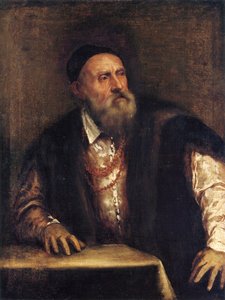
Tiziano Vecellio
1490 - 1576 , Itaalia
Lühikest infot
- Artistic Movement Or Style: Renessanss, Veneetsia koolkond
- Artists Or Movements Influenced By This Artist:
- Lääne kunstnikud
- Hilinen Renessanss
- Artists Who Influenced This Artist:
- Giovanni Bellini
- Giorgione
- Date Of Birth: u 1490
- Date Of Death: 1576
- Full Name: Tiziano Vecellio
- Nationality: Itaalia
- Notable Artworks:
- A Man with a Quilted Sleeve
- The Visitation
- Bearded Young Man
- Venus of Urbino
- Place Of Birth: Pieve di Cadore, Itaalia
Sarnased artiklid

Titian: Innovation, Technique & the Venetian Renaissance Portrait Tradition
Explore the revolutionary techniques & enduring legacy of Titian, the master of Venetian Renaissance portraiture. Discover insights for collectors & appreciate his impact on art history.

The Enduring Motif of Love in Art History: A Cross-Cultural Exploration of Representation and Emotion
Explore the rich history of love in art! Discover iconic masterpieces, artistic techniques & cultural symbolism from antiquity to modern times. Expert analysis for collectors.

Romantic Masterpieces: 10 Artworks to Stir Your Soul |
Fall in love with art! Explore 10 iconic romantic paintings – from Renaissance classics to Impressionist masterpieces. Discover the stories behind artists like Monet & Klimt, and find museum-quality reproductions for your home at .

Rahvusgalerii Londoni 25 meistriteost: Kunstiklassika ja kodukaunistuse inspiratsioon
Avastage Rahvusgalerii Londoni 25 ikoonilist meistriteost! Sukelduge Van Goghi, Moneti ja Rembrandti maailma. Kunstireprodutsioonid ja inspiratsioon kodukaunistuseks AllPaintingsStore.com-is. Vaadake kollektsiooni!

Rahvusgalerii parimad 25 teost Washingtonis: Kunsti meistriteosed kodus
Avastage Rahvusgalerii Washingtoni 25 parimat teost! Sukeldu Cézanne'i, Matisse'i ja Picasso maalidest inspireeritud kunstiajalukku. Leidke täiuslik seinakaunistus või luksuslik reproduktsioon kodusse AllPaintingsStore.com-is. Vaadake kogu kollektsiooni online!


