


 Eelvaade
 Saada
Saada Jaga
Jaga
 Teave teose kohta
 Juhend

 Laadi alla
 Sarnased teosed
 Röntgenuuring
 Slaidietendus
 Q&A
Q&A Statistika
Käed


 Loe lähemalt
Giclée / Kunstiprint
Muuseumikvaliteediga giclée- või kangasprint kiire tootmisega ja paindlikud viimistlusvõimalused. ( Osta käsitsi maalatud teos Lülita digitaalse pildi juurde)




P118B €10

P118H €10

P118W €10

P438Z €10

P508JH €12

P508YH €12

P805H €10

P805Z €10

P919BZ €10

P919G €10

P919XJ €10

P959ZH €10

P968JZ €12

W106C €8

W218G €10

W218JH €8

W218Y €10

W307PJ €10

W316G €10

W316PJ €8

W316Y €10

W398PJ €8

W4111J €10

W500HY €15

W500JH €15

W692G €12

W849H €8

W940BG €15

W953PJ €8




Vali meie eelmääratud suurused, mis vastavad teose algupärastele proportsioonidele.

Sisestage vajalik laius ja kõrgus, et see sobiks teie raamile või seinale. Trükki saab ainult lõigata, seda ei saa kunagi pildist suuremaks teha, seega ka erineva mustega suurus kaotab osa pildist. Enne trükkimist saadame teile kinnitamiseks digitaalse näidisprojektsiooni. Sellel lehel näidatud pilt ei kujuta reaalset lõiget — seda näitab ainult näidisprojektsioon.
Ülemaailmne tarne () 2 nädala jooksul, tavalise 4/5 nädala asemel. (31 oktoober)

Tasuta ekspresssaatmine üle maailma

Kõrgekvaliteediline lina-kangas

Täielik transpordikindlustus

Tollimaksude tagastamise garantii

Värvitoime täpsuse garantii

100 päeva tagastusõigus (ainult valmistusdefektide korral)

100% raha tagasi garantii

Hulgusoodustus
 Klaasivalik on saadaval ainult kuni 110 cm suuruses teostes

Käed
Giclée / Kunstiprint
Reproduktsiooni suurus
-


Koguhind
€ 57
A Silent Echo: Vincent van Gogh’s “Skull”
Vincent van Gogh's "Skull," painted in 1887, isn’t merely a depiction of bone and shadow; it’s a profound meditation on mortality, fragility, and the very essence of human existence. This intimate oil-on-canvas work, housed within the collections of museums worldwide including the Van Gogh Museum in Amsterdam, offers a glimpse into the artist's intensely personal world – a world grappling with illness, loss, and an urgent need to capture the fleeting beauty of life. The painting’s stark simplicity belies its complex emotional resonance, inviting viewers to contemplate the transient nature of all things.
The scene is deceptively straightforward: a weathered skull rests against a backdrop of vibrant yellow – a color that simultaneously radiates warmth and hints at decay. Van Gogh masterfully employs a palette dominated by earthy browns and muted greens, creating an organic feel that anchors the skull within a landscape of natural cycles. Notice how he doesn’t shy away from the imperfections of the bone; cracks and fissures are rendered with meticulous detail, suggesting not just age but also the ravages of time and the inevitable process of decomposition. This isn't a sanitized representation of death; it’s an honest confrontation with its reality.
Post-Impressionist Techniques: A Dance of Color and Texture
"Skull" is a quintessential example of Van Gogh’s Post-Impressionist style, characterized by bold colors, expressive brushstrokes, and a deliberate rejection of traditional academic techniques. The artist's signature impasto – thick layers of paint applied directly to the canvas – creates a palpable sense of texture and movement. Observe how the brushwork seems to writhe across the surface, conveying not just the physical form of the skull but also the emotional turmoil within Van Gogh himself. He uses short, choppy strokes to define the contours of the bone, contrasting them with broader, more fluid strokes in the background, suggesting a dynamic interplay between stillness and decay.
The strategic use of color is particularly noteworthy. The yellow isn’t simply a backdrop; it pulsates with an almost unsettling energy, hinting at life force struggling against the inevitable decline. Van Gogh's masterful manipulation of light and shadow creates a dramatic chiaroscuro effect, intensifying the skull’s presence and drawing the viewer’s eye to its stark beauty. The subtle variations in tone – from deep browns to pale yellows – contribute to the painting’s overall sense of depth and realism.
Symbolism and the Weight of Mortality
Throughout his oeuvre, Van Gogh frequently employed skulls as symbols of mortality and the transience of life. In “Skull,” this symbolism is powerfully conveyed through the juxtaposition of the decaying bone against the vibrant yellow background. The skull represents not just death but also the inevitable end of all earthly pursuits – a poignant reminder of our own vulnerability. However, the painting isn’t solely focused on despair; the bright yellow suggests a glimmer of hope, a recognition that even in the face of mortality, beauty and vitality can still be found.
Some art historians interpret the skull as a reflection of Van Gogh's own struggles with mental illness. The painting could be seen as an attempt to grapple with his own feelings of isolation, despair, and impending doom. Yet, despite the underlying melancholy, “Skull” possesses a strange dignity – a quiet acceptance of fate that speaks to the artist’s profound sensitivity and artistic vision. It's a testament to Van Gogh's ability to transform personal suffering into universal themes.
Van Gogh’s Legacy: An Enduring Influence
Vincent van Gogh’s impact on the art world is immeasurable. His bold experimentation with color, brushstroke, and subject matter paved the way for movements like Expressionism and Fauvism, profoundly influencing generations of artists. “Skull,” in its raw emotional honesty and technical brilliance, stands as a powerful example of Van Gogh's unique artistic voice – a voice that continues to resonate with audiences today.
If you’re captivated by this evocative masterpiece, AllPaintingsStore offers meticulously crafted hand-painted reproductions of "Skull," allowing you to bring this iconic work into your own space. Explore our collection at AllPaintingsStore and experience the power of Van Gogh’s vision firsthand. For further exploration, consider visiting the Van Gogh Museum in Amsterdam (Vangoghmuseum.nl) or the Rijksmuseum in Amsterdam (Rijksmuseum.nl), where you can immerse yourself in the world of this extraordinary artist.
Korduvad küsimused
Kas saan näha teose „Käed“, autor Vincent Van Gogh röntgenpilti?
Teose „Käed“, autor Vincent Van Gogh röntgenvaade on saadaval selle Röntgenuuring lehel: see on interaktiivne pildi uurimine läbi üheksateist optilise kihti.
Kas saan kasutada täiendatud reaalset, et näha teost „Käed“, autor Vincent Van Gogh oma toonas?
Teose „Käed“, autor Vincent Van Gogh leht AR-eelvaade teose kohta kasutab täiendatud reaalset, et näidata teost ühilduva seadme abil teie enda ruumis.
Millisse kunstisuuna kuulub teos „Käed“, autor Vincent Van Gogh?
Teos „Käed“, autor Vincent Van Gogh kuulub Post-Impressionism suunasse. See suund annab teosele stilistilise konteksti.
Sarnased teosed


Kunstniku elulugu
Strassimatsiooniga maaldud elu: Vincent van Gogh
Vincent Willem van Gogh, nimi, mis on sünkroonne elavuse ja rauwe emotsiooni kood, on kunstiajaloo üks tuntumaid ja armastatumaid isikuid. Sündinud 30. märtsil 1853 Zundertis, Hollandis, on tema teekond segase noormehelt, kes otsis eesmärki, kuni kunstilise visionäärini, kora lugu pühendumisest, võitlustest ja lõpuks kestvast pärandist. Kuigi ta saavutas oma elus vähe kaubanduslikku edu – müüdes enne surma vaid ühe maali, Punase Viinapuu – on Van Goghi mõju nüüdisaegsele kunstile mõõdetamatu, avades tee ekspressionismile ja mõjutades lugematuid tema jälgijaid. Tema lugu ei ole ainult pintslitõmmete ja kambda kohta jutt; see on tõestus inimliku välskänduse jõust vastupidiselt igale vastuiselule.
Varajased aastad ja kunstiline ärkamine
Van Goghi varajane elu oli märgitud mitmete täitmata püüdete poolt. Ta proovis oma kätt erinevates ametites – kunstikaupmehena, õpetajana ja isegi misjonärina – enne kui pühendus lõpuks maalile, suhtelisnes ta alles 27-aastasena. Need varajased kogemused kujundasid sügavalt tema maailmapilti ja leidsid oma tee tema kunstis. Tema esiletõstvad teosed, mis kirjaldasid talundaelu stseene Belgiumi maapiirkondades, peegeldavad sügavat empatiat tööklassiga ning kasutavad tumedaid toonide paletti, mis peegeldab nende raskusi. Mõjutatuna kunstnikest nagu Jean-François Millet, püüdis Van Gogh vangistada nende inimeste väärikust ja vastupidavust rangel realismil. Kuid just tema liikumine Pariisi 1886. aastal tõusus transformatsiooniks. Seal kohtus ta impressionismi ja postimpressionismiga, omastades Moneti, Renoiri ja Pissarro nagu meistrite tehnikad. See kokkupuude laiendas tema kunstilisi horisontsone, viies teda eksperimenteerima eremate värvide ja lõduma pintslitööga, säilitades siiski eraldatava emotsionaalse intensiivsuse, mida paljudel tema kaaslastel ei olnud. Tema vend Theo, kunstikaupmees, mängis selle perioodi jooksul kriitilist rolli, pakkudes finantsabi ja toimides elutähtsana sideena Pariisi kunstimaailmaga. Nende laialdane korrespondents pakub väärtuslikku vaadet Van Goghi kunstilisele arengule ja isiklikule võitlusele.
Lõunavalgus ja plahvatuslik loovus
Otsides elavamat maastiku ja uuenduslikkusest uurinud tunnet, kolis Van Gogh 1888. aastal Prantsusmaa lõunaosa Arlesi. See liikumine märgis intensiivse loovuse perioodi, mida iseloomustas värvide plahvatus ja eripärane impasto tehnika – värvi paksult kandele määrimine, luues tekstureeritud pinna, mis tundub energiaga pulsid. Just siin loodi mõned tema ikoonilisemad teosed: Päevalilled, Öökafeei ja Tähevöö. Provensist saadud tugev päikesekiirgus näib sündinud tema kuj कल्पना, viies teda kirjeldama maastikke ja hübriidseid stillelife ebatavalise elavusega. Tema soov kunstiliseks koostööks tõi ta kutsuma Paul Gauguini Arlesi, lootes luua utoopilist kunstnikukolooniat. Kuid nende suhe osutus äärmiselt äärmendavaks, culminatesides draamatilise konfrontatsiooniga, mille tulemusena mutiliseeris Van Gogh oma kõrvu. See sündettelegatsioon rõhutas tema vaimse seisundi habrastust ja märgis alguse perioodile, mis oli iseloomustatud asutuse all olevale elule ja kasvavale psühholoogiale.
Hilisemad aastad ja igavene pärand
Pärast oma psühholoogilist breakdownit sisenes Van Gogh vabatahtlikult Saint-Rémy's asutusse, kus jätkas produktivselt maalimist, vangistades ümbritsevad maastikud nii iluga kui ka segadusega. Teosed nagu Tähevöö, mis maalisiti sel ajal, on täidetud kosmilise imetusega ja sügava emotsionaalse sügavusega. Hiljem kolis ta Auvers-sur-Oise'i dr. Paul Gachet'i hoolule, kuid tema võitlused ei lõppenud. 29. juulil 1890, 37. aasta vanuses, surmas Van Gogh tragöödiatlikult ise tekitatud löögist. Vaatamata sellele, et ta saavutas oma elus vähe tunnustust, hakkas tema töö pärast surma tuntust saama suures osades tänu tema äitide Johanna van Gogh-Bongeri väsimatule pingele, kes päris tema vara ja pühendus oma kunstile. Täna on Van Goghi maalid üle maailma austatud nende emotsionaalse intensiivsuse, innovaatiliste tehnikate ja igavene selle ilu eest. Tema pärand ulatub kanga taga; temast on saanud kunstilise kannatuse, vastupanu vastuistele olukordadele ja kunsti võimekuse sümbol väljendada sügavamaid inimlikke emotsioone.
Olulised mõjud ja kunstiline areng
- Varajane realisme: Jean-François Millet'i kirjeldused talundaelust mõjutasid Van Goghi varajasi teoseid.
- Impressionism ja postimpressionism: Kokkupuude Monet, Renoir, Pissarro ja teistega Pariisis laiendas tema värvipaletti ja tehnikat.
- Jaapani joonised: Van Gogh oli sügavalt mõjutatud Jaapani puust lõikudest, mida ta innukalt kogus. Nende julged kompositsioonid ja tasased värvipinnad mõjutasid tema enda stiili.
- Emotsionaalne väljendus: Enam kõigist püüdis Van Gogh oma kunstis edastada emotsioone, eelistades subjektiivset kogemust üle objektiivse esituse. See keskendumine emotsionaalsele intensiivsustusele sai tema töö määravaks omaduseks ja avas tee ekspressionismile.
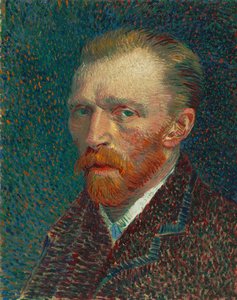
Vincent Van Gogh
1853 - 1890 , Holland
Lühikest infot
- Artistic Movement Or Style: Postimpressionism
- Artists Or Movements Influenced By This Artist:
- Expressionism
- Fauvism
- Artists Who Influenced This Artist:
- Jean-François Millet
- Rembrandt van Rijn
- Date Of Birth: 30. märts 1853
- Date Of Death: 29. juuli 1890
- Full Name: Vincent Willem van Gogh
- Nationality: Hollandlane
- Notable Artworks:
- Põldtöölised
- Keskpäevapäike
- Tähesinine öö
- Päevalilled
- Place Of Birth: Zundert, Holland
Sarnased artiklid

Golden Hues: Top 10 Paintings Dominated by Yellow Ochre |
Explore 10 iconic paintings bathed in golden yellow ochre! From Van Gogh's sunflowers to Monet’s haystacks, discover the stories behind these masterpieces. Find museum-quality art reproductions & elevate your home decor on .
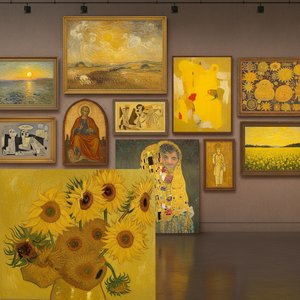
Golden Hues: 10 Masterpieces Dominated by Chrome Yellow | AllPaintingsStore
Immerse yourself in golden light! Explore 10 famous paintings dominated by 'Chrome Yellow', from Van Gogh’s Sunflowers to Monet's Haystacks. Discover the stories behind these iconic Impressionist & Post-Impressionist masterpieces and find museum-quality art reproductions at AllPaintingsStore.com.

Decoding Van Gogh's Turmoil: AllPaintingsStore’s Masterful Reproductions of Emotional Depth
Discover exquisite Van Gogh reproductions from AllPaintingsStore – expert art specialists offering museum-quality prints & custom paintings. Trust our authentic process and elevate your collection today.
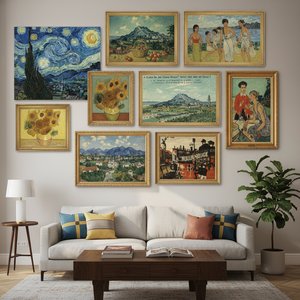
Postimpressionismi 10 Meisterteost: Kunsti ja Sisustamise Klassikat
Avasta postimpressionismi 10 legendaarset meistriteost! Van Gogh, Monet jt. värvilised teosed ja põnevad lood kunstnike saatest. Leia inspiratsiooni sisustamiseks ning kaunista oma kodu AllPaintingsStore.comi originaalseid kunstireproduktsioonide abil. Uuri kollektsiooni!

Rembrandti 25 meistriteost: Valgus ja varjud Hollandi kuldajast kunstikollektsioonis
Avastage Rembrandti 25 meistriteost! Hollandi kuldajastu barokkmaalid, portreed ja ajaloolised stseenid. Leidke inspiratsiooni interjööri kujunduseks või soetage luksuslik Rembrandt reproduktsioon AllPaintingsStore.com-ist. Avastage kogu kollektsioon veebis!


