


 Vaata sisu
 Jaga teost
 Jaga
Jaga
 Detailid
 Juhend

 Laadi alla
 Sarnased teosed
 Röntgenuuring
 Slaidietendus
 Statistika
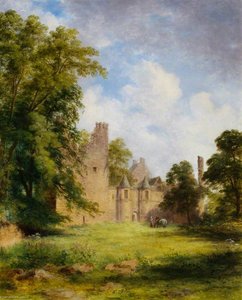
The Ruins of Kirkoswald Castle, Cumberland
 Romanticism
 1854
1854- 19th Century
 31.0 x 40.0 cm
 Laing Art Gallery
 Loe lähemalt
Käsitsi valmistatud õlimaalireproduktsioon
Meie kunstnike poolt tellimusel valmistatud käsitsi maalitud õli-kainaste teos teie soovitud suuruses ja raamis. ( Lülita trükkitoodetele Ülemineku digitaalse pildi müügi kanalisse)




P118B $10

P118H $10

P118W $10

P438Z $10

P508JH $12

P508YH $12

P805H $10

P805Z $10

P919BZ $10

P919G $10

P919XJ $10

P959ZH $10

P968JZ $12

W106C $8

W218G $10

W218JH $8

W218Y $10

W307PJ $10

W316G $10

W316PJ $8

W316Y $10

W398PJ $8

W4111J $10

W500HY $15

W500JH $15

W692G $12

W849H $8

W940BG $15

W953PJ $8




Vali meie eelmääratud suurused, mis vastavad teose algupärastele proportsioonidele.

Sa võite sisestada oma mõõtmed konkreetse raami või ruumi sobivuse tagamiseks. Kui teie valitud suurus ei vasta originaalpildi proportsioonidele, siis kärvime kunstiteost või laiendame maali täiendavate käsitsi maalitud elementidega. Enne tootmise algust saadetakse teile heakskiitmiseks digitaalne eelvaade.
Palun pidage meeles, et ekraanil kuvatav eelvaade ei kajasta tegelikku kärpimist või laiendamist. Ainult eelvaade näitab täpselt lõplikku kompositsiooni.
Kuigi on saadaval kohandatud suurused, soovitame originaalproportsioonide säilimiseks valida mõõdud eelmääratletud nimekirjast.
Pärast tellimust saadab AllPaintingsStore.com meeskond kliendile e-posti juhised ning esitab eelvaate kavandi
Maailmline tarne 3–4 nädala jooksul tavalise 5 nädala asemel. (21 september). Kvaliteedis kompromisse ei tehta.

Tasuta ekspresssaatmine üle maailma

Kõrgekvaliteediline lina-kangastest muld

Täielik transpordikindlustus

Tollimaksude tagastamise garantii

Värvitoime täpsuse garantii

100 päeva tagastusõigus (ainult defektide korral)

100% raha tagasi garantii

Hulgusoodustus
 Klaasivalik on saadaval ainult kuni 110 cm suuruses teostes

The Ruins of Kirkoswald Castle, Cumberland
Reproduktsiooni materjal
Reproduktsiooni mõõtmed
-


Lõppsumma
$ 258
A Whisper of Antiquity: The Timeless Allure of Kirkoswald
In the quiet corners of Cumberland, where history breathes through the cracks of weathered stone, William James Blacklock captured a moment of profound stillness in his 1854 masterpiece, The Ruins of Kirkoswald Castle. This evocative landscape does more than merely document a crumbling structure; it invites the viewer into a romantic dialogue between man-made grandeur and the inexorable persistence of nature. The painting presents the skeletal remains of the castle, its stone towers standing as silent sentinels of a bygone era. A prominent tower, marked by the presence of a clock, serves as a poignant memento mori, reminding us of the relentless passage of time that has transformed a once-mighty fortress into a picturesque relic.
Blacklock’s brushwork breathes life into the textures of the Cumberland countryside. The artist employs a delicate balance of light and shadow to create a sense of immense depth, pulling the eye from the lush, verdant trees in the foreground toward the softer, more ethereal silhouettes of distant buildings. The presence of a solitary figure near the center of the composition provides a vital sense of scale and human connection; this wanderer, lost in contemplation, mirrors our own experience as we gaze upon the ruins. Through this subtle inclusion, Blacklock transforms a landscape study into a narrative of exploration and quiet introspection.
Mastery of Light and the Romantic Spirit
Technically, the work is a testament to Blacklock’s formal training at the Carlisle Academy of Art. His ability to render the rugged, tactile quality of ancient masonry alongside the soft, organic forms of surrounding foliage demonstrates a sophisticated command of oil painting techniques. The palette is grounded in earthy, natural tones—deep mossy greens, weathered greys, and warm ochres—which harmonize to create an atmosphere of profound tranquility. This tonal unity is essential to the painting's emotional impact, evoking a sense of nostalgia for the pastoral English landscape that was so central to the mid-19th-century Romantic movement.
For the discerning collector or interior designer, this reproduction offers much more than mere decoration; it serves as an intellectual and emotional anchor for a room. The painting’s ability to evoke both the melancholy of decay and the beauty of natural regrowth makes it a versatile piece for various design aesthetics, from traditional manor-style studies to contemporary spaces seeking a touch of historical soul. To hang this work is to invite a conversation about heritage, the cycle of life, and the enduring beauty found in the remnants of the past.
Sarnased teosed




Kunstniku elulugu
A Life Immersed in Landscape: The Evocative World of William James Blacklock
William James Blacklock, born in the bustling heart of Shoreditch, London, in 1816, was an artist whose life became inextricably linked with the serene beauty of the British countryside. Though initially rooted in the urban landscape of his birth, a pivotal relocation as a young boy would forever shape his artistic vision. In 1818, his family returned to their ancestral Cumberland roots, settling in Cumwhitton near Carlisle, where they embraced farming and a quieter existence. This immersion into the natural world proved transformative for Blacklock, igniting within him a passion for landscape painting that would define his career. His early training began with an apprenticeship to a local bookseller, but his innate artistic talent soon led him to formal studies at the Carlisle Academy of Art under Matthew Ellis Nutter. Even in these formative years, Blacklock demonstrated a remarkable sensitivity to nature, earning recognition as a “rising artist” upon exhibiting his work locally in 1833 and subsequently at the prestigious Royal Academy from 1836 onwards.Bridging Romanticism and Pre-Raphaelite Sensibilities
Blacklock’s artistic development unfolded against a backdrop of shifting aesthetic currents. His time in London, beginning in 1836, exposed him to the influences of prominent artists such as William Mulready, J.M.W. Turner, David Roberts, and Thomas Creswick. While his style initially echoed the traditions of Romantic landscape painting—characterized by dramatic compositions and emotional intensity—Blacklock soon began to forge a unique path. He possessed an exceptional eye for detail and atmospheric light, qualities that set him apart. A crucial moment in this evolution came with the cleaning of old master paintings at the National Gallery in 1844-45. This experience provided Blacklock with invaluable insights into artistic techniques and the subtle nuances of color and form. It was during this period that he began experimenting with a groundbreaking “white ground” technique, applying luminous glazes over a white base layer to achieve an extraordinary sense of luminosity and depth in his paintings.The White Ground Technique and Artistic Innovation
This innovative approach did not go unnoticed. Blacklock’s "white ground" technique became the subject of intense study among artists associated with the burgeoning Pre-Raphaelite movement, including William Bell Scott and Dante Gabriel Rossetti. The Steps at Haddon Hall (1848), is considered a prime example of this technique, showcasing its ability to capture light and texture with remarkable fidelity. While Blacklock’s meticulous attention to detail often drew comparisons to the Pre-Raphaelites, he consciously rejected Ruskin's emphasis on strict naturalism. He believed that art should not merely replicate nature but rather express the artist’s inner thoughts and imagination. This distinction is crucial to understanding Blacklock’s unique position within 19th-century British art—he stood at a fascinating intersection between Romantic ideals, Pre-Raphaelite precision, and his own deeply personal vision. His notable paintings include Buit’s Castle, Bewcastle, Gilnockie Tower, Landscape with Bridge and Figures, and The Rookery (1854).Recognition, Decline, and Lasting Legacy
Blacklock’s talent garnered recognition from influential figures of his time. William Ewart Gladstone acquired his painting *Lanercost Abbey*, a testament to the artist's growing reputation. Further patronage came from Tyneside industrialists James Leathart and Lord Armstrong, facilitated by the support of William Bell Scott. However, Blacklock’s success was tragically cut short by declining health and eyesight. By 1850, he returned to Cumwhitton, continuing to work in his studio as long as possible. Sadly, he succumbed to mental health challenges, attributed to syphilis, and was admitted to the Crichton Royal Hospital in Dumfries in 1855. Despite his condition, he continued to draw until mid-1857, a poignant testament to his unwavering dedication to art. He passed away in 1858 at the age of 42. Though his life was relatively short, William James Blacklock left an indelible mark on British landscape painting. His work represents a pivotal moment between the early 19th-century landscape school and the innovative spirit of the Pre-Raphaelite movement. As Geoffrey Grigson observed, he belonged to a generation bridging Romanticism and Impressionism, deeply influenced by Italian Renaissance masters like Giorgione and Giovanni Bellini. Today, his paintings are treasured for their evocative beauty, technical mastery, and unique contribution to the rich tapestry of British art history.A Pioneer Remembered
- Early Influences: Turner, Creswick, Roberts, Mulready.
- Key Technique: The “white ground” technique – luminous glazes over a white base.
- Notable Works: *Lanercost Abbey*, *Gilnockie Tower*, *The Steps at Haddon Hall*.
- Patrons: William Ewart Gladstone, James Leathart, Lord Armstrong.
- Historical Significance: Bridged Romanticism and Pre-Raphaelitism; influenced by Italian Renaissance masters.

William James Blacklock
1816 - 1858 , United Kingdom
Lühikest infot
- Artistic Movement Or Style: Romanticism & Pre-Raphaelite
- Artists Or Movements Influenced By This Artist:
- Pre-Raphaelites
- Scott
- Rossetti
- Artists Who Influenced This Artist:
- Mulready
- Turner
- Roberts
- Creswick
- Date Of Birth: 1816
- Date Of Death: 1858
- Full Name: William James Blacklock
- Nationality: British
- Notable Artworks:
- Buit’s Castle, Bewcastle
- Gilnockie Tower
- Landscape with Bridge
- The Rookery (1854)
- Place Of Birth: Shoreditch, UK
Sarnased artiklid

Romantilise Maastikukunsti 10 Meisterteost: Kunstiteosed Koduks AllPaintingsStore.com'ist
Avastage 10 romantilise maastikukunsti meistriteost! Tutvuge Caspar David Friedrichi, J.M.W. Turneri ja teiste suurte kunstnike loominguga AllPaintingsStore.com-is. Leidke täiuslik õlimaal või reproduktsioon koduks – inspireeriv kollektsioon ootab!

John Constable: 25 Suurimat Teost Inglise Maastikumaali Tippu
Avastage John Constable'i 25 suurimat teost! Sukeldu inglise maastikumaali romantismisse, imetlege Dedham Vale ilu ja leia inspiratsiooni kodukaunistuseks. Kvaliteetsed kunstireprodutsioonid AllPaintingsStore.com-is. Vaata kohe!
Alfred Worthington: Bridging Victorian Realism & Early Modern Landscape Painting
Explore the captivating landscapes of Alfred Worthington (1834-1927), a pivotal figure bridging Victorian realism & early Impressionism. Discover his Welsh hunting scenes, artistic evolution, and collecting guide.

Evocations of Place: A Historical Journey Through Landscape Art
Explore the rich history of landscape art with AllPaintingsStore. Discover renowned artists, movements like Impressionism & Romanticism, and expert guidance for collecting timeless pieces. Find your perfect serene escape today!

Evocations of Place: A Historical Journey Through Landscape Art
Explore the rich history of landscape art with AllPaintingsStore. Discover renowned artists, movements like Impressionism & tonalism, and expert guidance for collecting timeless pieces. Find your perfect serene escape today!

