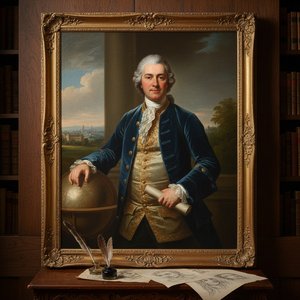
Jeremiah Theus: Charleston’s Rococo Portraitist
Jeremiah Theus (1716 – 1774) stands as a singular figure in the annals of early American art, primarily recognized for his prolific output of portraits executed during the flourishing Rococo period in Charleston, South Carolina. Born in Chur, Switzerland, he arrived in America with his family around 1740, driven by the promise of land grants and colonial opportunity offered by the British Crown. This migration marked the beginning of a career dedicated to capturing the elegance and sophistication of Charleston’s elite society—a remarkable feat considering the artistic landscape of the time.- Early Life & Training: Little is definitively known about Theus' formative years beyond his Swiss birthplace. However, circumstantial evidence suggests exposure to European artistic traditions, particularly Rococo style, which would profoundly influence his subsequent work.
- Charleston Studio & Patronage: By 1740, Theus established a studio in Charleston’s bustling commercial district—a strategic location that ensured access to influential patrons and fueled his artistic endeavors. Advertisements in the South Carolina Gazette showcased his skills as a “limner,” or portrait painter, highlighting his commitment to serving the burgeoning colonial community.
A Master of Rococo Style & Technique
Theus’ distinctive style is characterized by its adherence to Rococo principles—a movement originating in France that prioritized grace, ornamentation, and pastel hues. He skillfully adapted English artistic conventions prevalent during the era, resulting in portraits imbued with a sense of refined elegance and meticulous detail. His canvases frequently employed geometric shapes and subtle tonal variations to create atmospheric depth and convey emotion—techniques honed through observation and experience.- Notable Commissions: Theus undertook numerous commissions throughout his career, demonstrating versatility and responsiveness to client needs. Among his accomplishments were the gilded steeple of St. Michael’s Episcopal Church (1756), a testament to his craftsmanship and artistic vision; the weather vane for Charleston’s City Hall; and contributions towards the construction of St. Michael's Cathedral.
- Teaching & Artistic Legacy: Recognizing the importance of fostering artistic talent, Theus opened an evening drawing school in 1744—a pioneering initiative that nurtured aspiring artists within Charleston’s intellectual circles. This dedication to education solidified his legacy as not only a celebrated painter but also as a catalyst for artistic development.
Iconic Portraits & Charleston Society
Jeremiah Theus achieved enduring fame through his portraits of prominent Charlestonians—individuals who shaped the social, economic, and cultural fabric of the colony. Works such as “Mrs. Gabriel Manigault” (1757), “Captain John Reynolds” (c. 1758) and “Mrs. John Dart” (1772) exemplify his mastery of Rococo style and offer invaluable insights into Charleston’s aristocratic milieu during the mid-18th century. These paintings are treasured for their technical precision, expressive quality, and ability to convey the dignity and refinement associated with colonial leadership.Historical Significance & Enduring Influence
Jeremiah Theus' contribution to American art history extends beyond his individual achievements; he represents a crucial link between European artistic traditions and the nascent cultural identity of the United States. His work serves as a compelling visual record of Charleston’s social landscape—a testament to the dynamism and sophistication of colonial America. Today, reproductions of his portraits continue to captivate audiences worldwide, ensuring that Theus' legacy persists as one of Charleston’s most distinguished artistic figures.Küsimused ja vastused
Millised Jeremiah Theus teosed on kõige enim vaadeldud?
Jeremiah Theus kohta on olemas Statistika lehekülg, mis esitab see veebileht kunstniku teoste kohta statistika.
Kust leida Jeremiah Theus teoseid väripaleti järgi grupeerituna?
Jeremiah Theus teoseid saab väripaleti järgi sirvida kunstniku Väripalettide järgi lehel.
Kust leida Jeremiah Theus teoseid värvide järgi sorteerituna?
Lehekülg Värvitoonide indeks koondab Jeremiah Theus teosed värvide järgi.