

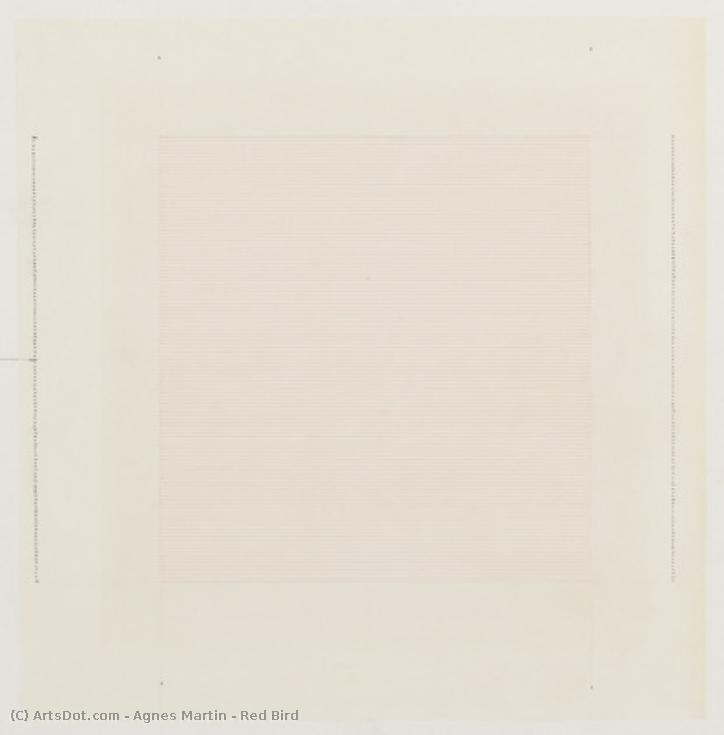
1964. Acrylic On Canvas, 30.0 x 31.0 cm. Museum of Modern Art.
§ 1Catalogue data

- 30.0 x 31.0 cm


Tämä teos on tekijänoikeuden suojaama
Tällä sivulla esitettyä taideteosta suojaa tekijänoikeuslaki, mikä tarkoittaa, ettemme voi laillisesti luoda tai myydä täsmälleen samanlaista jäljennöstä. Tämä suoja toteutetaan kansainvälisten sopimusten, kuten esimerkiksi Berne-konventio ja kansallisilla laeilla, mukaan lukien niillä määritellyt Yhdysvaltain tekijänoikeuslaki – Luku 17. Kaikki oikeudet pidätetään. Luvaton kopiointi tai jäljittely on kielletty.
Kunnioittavana ja laillisena vaihtoehtona tarjoamme alkuperäisestä inspiroituneita, yksilöllisiä ja käsinmaalattuja taideteoksia. Taitavat ja ammattimaiset taiteilijamme tutkivat huolellisesti alkuperäisen teoksen tyyliä, tunnelmaa ja taiteellista ydintä luodakseen uuden, ainutlaatuisen teoksen, joka herättää saman tunteen – säilyttäen samalla oman itsenäisen alkuperäisyytensä.
Tämä menetelmä noudattaa täysin tekijänoikeussäännöksiä, sillä se ei sisällä suojatun taideteoksen kopioimista tai jäljentämistä. Sen sijaan kyseessä on luova uudelleentulkinta – uusi maalaus, joka ammentaa vaikutteita alkuperäisestä, mutta ei ole sen identtinen kopio.
 Lue lisää
§ 2Abstract
Keräilykohteen kuvaus
Experience the serene minimalism of Agnes Martin's 1964 grid painting, featuring delicate horizontal lines evoking quiet contemplation; discover this piece of abstract art today.
Taiteilijan elämäkerta
Agnes Martin (1912-2004) oli kanadalais-yhdysvaltalainen abstrakti taiteilija, joka tunnetaan minimalistisista, rauhallisuutta ja meditoinnia inspiroivista grid-maalaustensa ansiosta. Hänen tyylinsä vaikutti merkittävästi taiteen historiaan ja hän on edelleen arvostettu taiteilija.
§ 3Commentary
The Quiet Architecture of Being
To stand before this piece is to enter a space of profound stillness. It is not an image that demands attention through drama or vibrant color; rather, it invites the viewer into a hushed conversation with structure itself. The canvas unfolds as a field of subtle cream and off-white, dominated by a meticulous yet seemingly effortless grid. These horizontal lines are the very breath of the composition—thin, rhythmic, and repeating across the surface. They suggest an underlying order, a quiet architecture that supports nothing more than contemplation. This work speaks in whispers, using line not as a boundary, but as a meditation.
A Dialogue with Minimalism and Abstraction
This piece belongs to a lineage of reductive art, echoing the profound explorations of Agnes Martin. Her commitment was always to stripping away the superfluous until only the essential remained: the mark, the plane, the breath between things. The style is pure minimalism, yet it resists being merely decorative. It possesses an intellectual rigor that speaks to decades of artistic inquiry into perception. The slight variations in line thickness and spacing—the subtle imperfections that betray the human hand—are crucial. They prevent the grid from becoming cold or mechanical; instead, they imbue the structure with a palpable sense of life lived through careful attention.
Technique and Materiality: The Hand's Signature
The execution is deceptively simple. Using what appears to be fine acrylic paint on canvas, the artist has employed a technique that requires immense patience and unwavering focus. One can almost hear the soft scratch of the brush against the prepared surface as the horizontal passages are laid down one after another. The resulting texture is whisper-light, catching the diffused light without glare. This mastery over restraint—the ability to create such depth and pattern using only near-monochromatic tones—is what elevates this work from mere drawing to profound artistic statement.
Symbolism of Order and Introspection
What does this grid symbolize? For many, it represents the comforting framework of human understanding: routine, structure, or perhaps even the gentle limitations that define our experience. Yet, because these lines are so delicate, they never feel restrictive. Instead, they act as a visual guide toward introspection. They suggest the quiet moments between thoughts, the necessary pauses in a busy life. Owning this piece is not simply decorating a wall; it is curating an atmosphere of serenity, a visual anchor for moments requiring deep thought and calm repose.
Bringing Stillness Home
For the collector or designer seeking to infuse a space with sophisticated tranquility, this reproduction offers unparalleled depth. It pairs beautifully in environments that value understated luxury—a modern library, a quiet sitting room, or an art-focused gallery wall. It is a piece that does not shout for attention but rather deepens the ambiance, allowing the natural light and the conversation within the room to become the true focal points. It is wearable calm, rendered beautifully on canvas.
Kysymykset ja vastaukset
Mikä on alkuperäisen Agnes Martin:n "Red Bird" tekniikka ja koko?
Teoksen Agnes Martin:n "Red Bird" tekniikka on Acrylic On Canvas, ja sen mitat ovat 30 x 31 cm.
Mikä väri erottuu eniten teoksessa "Red Bird"?
Teoksen "Red Bird" silmiinpistävin väri on Putty (#e7e3d9). Hallitseva väri on hyödyllinen, kun teosta sovitetaan sisustukseen.
Mikä painokoko on suositeltava teokselle Agnes Martin:n "Red Bird"?
Agnes Martin:n "Red Bird"-teokselle suositellaan Medium kokoista jäljennöstä. Kokoa voidaan muuttaa säilyttäen alkuperäiset kuvasuhteet.


 Vaihda tulosteeseen


 Teoksille tai reproduktioille, joiden mikä tahansa sivu on suurempi kuin 105 cm (noin 41 tuumaa), kehys toimitetaan osina purettuna sarjana. Tämä menetelmä varmistaa turvallisen toimituksen ja ehkäisee vaurioita kuljetuksen aikana.


