


 Katso seinällä
 Lähetä
 Jaa
Jaa
 Tarkemmat tiedot
 Opas
Opas

 Lataa kuva
 Samanlaisia kohteita
 Röntgenkuvaus
 Diaesitys
 Tilastot
untitled (8873)

 Lue lisää
Giclée- ja taideprintit
Museolaatuisia giclée- tai kankaitaulun tulosteita nopealla tuotannolla ja joustavilla viimeistelyvaihtoehdoilla. ( Tilaa käsinmaalattu jäljennös Siirry digitaaliseen kuvaan)




P118B €10

P118H €10

P118W €10

P438Z €10

P508JH €12

P508YH €12

P805H €10

P805Z €10

P919BZ €10

P919G €10

P919XJ €10

P959ZH €10

P968JZ €12

W106C €8

W218G €10

W218JH €8

W218Y €10

W307PJ €10

W316G €10

W316PJ €8

W316Y €10

W398PJ €8

W4111J €10

W500HY €15

W500JH €15

W692G €12

W849H €8

W940BG €15

W953PJ €8




Valitse valmiista mitoistamme sellaiset, jotka vastaavat teoksen alkuperäisiä mittasuhteita.

Kirjoita tarvitsemasi leveys ja korkeus, jotta tuloste sopii kehyskokoon tai seinällesi. Tulostetta voidaan vain leikata, sitä ei voi koskaan tehdä suuremmaksi kuin alkuperäinen kuva, joten eri muotoinen koko aiheuttaa osan kuvasta katoamisen. Lähetämme sinulle digitaalisen mallikuvan hyväksyttäväksi ennen kuin aloitamme tulostuksen. Tällä sivulla näkyvä kuva ei näytä lopullista leikkausta — vain mallikuva näyttää sen.
Maailmanlaajuinen toimitus () 2 viikossa tavallisen 4–5 viikon sijaan. (24 lokakuu)

Ilmainen pikatoimitus ympäri maailman

Korkealaatuinen pellavakangas

Kattava kuljetusvakuutus

Tulliveron palautustakuu

Takuu täydellisestä värien vastaavuudesta

100 päivän palautusoikeus valmistusvirhetapauksissa

100% rahat takaisin -takuu

Määräalennus saatavilla
 Lasivaihtoehto on saatavilla vain alle 110 cm kokoisille teoksille

untitled (8873)
Giclée- ja taideprintit
Replikaatin koko
-


Kokonaishinta
€ 56
A Portrait of Quiet Contemplation: Unveiling Caravaggio’s ‘Untitled (8873)’
Caravaggio's “Untitled (8873)” is not merely a depiction of a woman; it’s an immersion into the very heart of Baroque drama, rendered with a startling intimacy and psychological depth. The painting, shrouded in mystery due to its lack of a known title or definitive provenance, nevertheless possesses a profound emotional resonance that speaks directly to the viewer's soul. The subject, a young woman seated on the ground, her face averted, immediately draws us into a space of private reflection – a pose characteristic of Caravaggio’s approach to portraiture, moving beyond simple likeness to capture an inner state.
- Subject and Composition: The central figure dominates the canvas with a quiet dignity. Her posture suggests vulnerability and perhaps even sorrow, while her hands, delicately holding an unseen object, invite speculation about her thoughts and emotions. The inclusion of the chair and bowl in the background subtly reinforces this sense of domesticity and intimacy, grounding the scene in a tangible reality.
- Technical Mastery: Caravaggio’s signature *tenebrism* – the dramatic contrast between light and dark – is powerfully employed here. A single, focused light source illuminates the woman's hands and portions of her dress, casting the rest of the composition into deep shadow. This technique isn’t simply a stylistic choice; it serves to heighten the emotional intensity, isolating the subject and intensifying the viewer’s focus on her gesture and expression.
The Baroque Embrace: Contextualizing Caravaggio's Vision
Painted during the tumultuous period of the Counter-Reformation in Rome (1592-1610), “Untitled (8873)” reflects the Baroque movement’s emphasis on emotional realism and dramatic storytelling. Caravaggio, a controversial figure within the Roman art scene, deliberately rejected the idealized forms favored by his contemporaries, opting instead to portray ordinary people – often from the lower classes – with unflinching honesty. This was a radical departure from tradition, reflecting a desire for religious art that resonated with the common person’s experience of faith and suffering.
- Religious Influence: Caravaggio's work frequently drew upon biblical narratives, imbuing his paintings with profound spiritual meaning. While the specific narrative here remains open to interpretation, the overall mood evokes a sense of piety and contemplation – hallmarks of Baroque religious art.
- Social Commentary: The inclusion of a woman in a vulnerable position also hints at broader social commentary on poverty, hardship, and the plight of women within 17th-century society.
Symbolism and the Language of Gesture
Beyond the technical brilliance, “Untitled (8873)” is rich with symbolic potential. The pearls scattered around the scene are particularly intriguing. Pearls have long been associated with purity, innocence, and mourning – elements that could be interpreted in various ways within the context of the painting. The woman’s averted gaze suggests a reluctance to confront something painful or difficult, while her hands, holding an unseen object, represent both agency and vulnerability.
- The Hand Gesture: Caravaggio was a master of gesture, using subtle movements to convey complex emotions. The way the woman holds her hands – perhaps clutching a rosary, a letter, or simply offering a silent prayer – invites viewers to project their own interpretations onto the scene.
- Color Palette: The predominantly dark palette, punctuated by highlights of light, contributes significantly to the painting’s dramatic effect and reinforces its emotional intensity.
A Timeless Masterpiece: Reproduction Possibilities
"Untitled (8873)" remains a captivating work of art, demonstrating Caravaggio's unparalleled ability to capture human emotion and create a sense of profound drama. AllPaintingsStore offers meticulously crafted hand-painted reproductions that faithfully recreate the original’s power and beauty. Each reproduction is created by skilled artisans using archival materials, ensuring its longevity and preserving the nuances of Caravaggio’s technique for generations to come. This artwork would be an exceptional addition to any collection or a striking focal point within your interior design scheme – a testament to the enduring legacy of one of history's greatest artists.
Kysymykset ja vastaukset
Mitä Caravaggio:n "untitled (8873)" esittää?
Teoksen "untitled (8873)" aiheina ovat caravaggio, portrait, woman, hands, pearls, darkness, baroque.
Millä muilla nimillä Caravaggio tunnetaan?
Caravaggio esiintyy myös nimillä Michelangelo Merisi da Caravaggio, Michele Angelo Merigi, Amerighi da Caravaggio.
Mihin huoneeseen Caravaggio:n "untitled (8873)" suositellaan sijoitettavaksi sen värien perusteella?
Earthy väripalettinsa ansiosta Caravaggio:n "untitled (8873)" on suositeltava Living Room-tilaan. Värit ovat yksi tämän suosituksen perusteista.
Samankaltaisia teoksia


Taiteilijan elämäkerta
Varjoista ja Valosta Muodostunut Elämä
Michelangelo Merisi da Caravaggion nimi on synonyymi barokin maalauksen dramaattiselle voimallisuudelle, ja hän syntyi Milanossa vuonna 1571 taiteellisen kukoistuksen ja yhteiskunnallisten mullistusten aikaan. Hänen varhaista elämäänsä leimasi menetykset; rutto tuhosi kotikaupunkinsa ja vei hänen isänsä ja isoisänsä kuolemaan jo kuusivuotiaana. Suhteellisen köyhässä ympäristössä kasvanut Michelangelo oppi nuorena ymmärtämään ihmisten kärsimystä ja sitkeyttä – teemoja, jotka myöhemmin hallitsisivat hänen maalauksiaan. Hän aloitti taiteelliset opintonsa Milanossa Simone Peterzanon johdolla, Titianin entisen oppilaan luona, omaksuen renessanssin tekniikan perusteet, mutta jo vihjaten kapinalliseen henkeen, joka pian murskaisi tavanomaiset normit. Tämä oppisopimus antoi vankan pohjan, mutta vasta Roomassa, saavuttuaan sinne noin vuonna 1592, Caravaggio löysi todellisen äänensä – vaikkakin alkuvaiheessa kamppailun ja vaikeuksien kautta. Kaupunki, vilkas taiteellisen suojeluksen ja uskonnollisen intohimon keskus, osoittautui sekä houkuttelevaksi että anteeksiantamattomaksi kunnianhimoiselle nuorelle maalarille.Vallankumouksellinen Näkemys: Tekniikka ja Tyyli
Caravaggion saapuminen Roomaan merkitsi Italian taidemaailman seismistä muutosta. Hän hylkäsi vallitsevan manierismin – jolle oli ominaista sen keinotekoinen eleganssi ja pitkänomaiset muodot – hyväksyen kompromissitonta realismia, joka järkytti ja lumosi yleisöä. Hänen määrittävin innovaationsa oli mestarillinen käyttö chiaroscurossa, dramaattisessa valon ja varjon kontrastissa, jonka hän nosti uudelle ilmaisukyvyn tasolle. Tämä tekniikka, jota usein kutsutaan tenebriismiksi, ei ollut pelkästään esteettinen valinta; se oli keino tehostaa tunnevaikutusta, vetää katsojat kohtauksen sydämeen ja antaa hahmoille käsinkosketeltava läsnäolon tunne. Hän vältti idealisoituja kuvauksia ja täytti maalauksensa tavallisilla ihmisillä – usein Rooman kaduilta – uskonnollisten henkilöiden malleiksi. Tämä radikaali lähestymistapa haastoi perinteiset kauneuden ja pyhyyden käsitykset, tehden pyhästä ymmärrettävää ja syvästi inhimillistä. Hänen sommittelunsa olivat usein karuja ja suoria, keskittyen intensiivisen draaman ratkaiseviin hetkiin, olipa kyseessä "Kristuksen vangitsemisen" raaka realismi tai hiljainen pohdiskelu teoksessa "Pyhä Francis Assisilainen ekstaasissa".Keskeiset Teokset ja Kestävä Vaikutus
Suhteellisen lyhyen uransa aikana Caravaggio tuotti runsaasti töitä, jotka resonoivat edelleen nykypäivän yleisössä. Varhaiset teokset, kuten "Ennustaja" (1594), osoittavat hänen kasvavaa kykyään vangita realistisia yksityiskohtia ja psykologista syvyyttä. "Emmauksen illallinen" (1601-1602), joka sijaitsee National Galleryssa Lontoossa, on esimerkki hänen chiaroscuro-taidostaan ja kyvystään välittää syvää tunnevoimaa raamatullisessa kertomuksessa. "Daavid Goliatin pään kanssa" (noin 1610) on erityisen aavemainen, ja sitä tulkitaan usein itsetulkintana, joka heijastaa Caravaggion omaa levotonta tilaansa. Hänen vaikutuksensa ulottui Italian rajojen ulkopuolelle inspiroiden sukupolven taiteilijoita, jotka tunnetaan nimellä caravagistat tai "varjomaalarit", jotka omaksuivat hänen tyylinsä Euroopassa. Merkittäviä seuraajia olivat Peter Paul Rubens, Jusepe de Ribera ja Gerrit van Honthorst, joista jokainen sovelsi Caravaggion tekniikoita omaan ainutlaatuiseen taiteelliseen visioonsa.Turbulenttinen Elämä ja Kestävä Perintö
Caravaggion elämä oli yhtä dramaattinen ja myrskyisä kuin hänen taiteensa. Epävakaa temperamentti ja taipumus riitoihin johtivat hänet usein ongelmiin lain kanssa, mikä huipentui murssyytteeseen vuonna 1606, joka pakotti hänet pakenemaan Roomasta. Hän vietti seuraavat neljä vuotta vaeltaen Napolissa, Maltalla ja Sisiliassa jatkaen maalaamista samalla kun hän epätoivoisesti etsi paavin armahdusta. Pyrkimyksistään huolimatta hän pysyi lain ulkopuolisena, kummiteltuna menneisyydestään ja piinattuna henkilökohtaisilla konflikteillaan. Hän kuoli Porto Ercolessa Italiassa vuonna 1610 mysteeristen olosuhteiden vallitessa – hänen kuolinsyynsä on edelleen kiistanalainen, teorioissa vaihdellen kuumeesta myrkytykseen. Vaikka hänen elämänsä katkesi ennenaikaisesti, Caravaggion taiteellinen perintö kestää todisteena hänen vallankumouksellisesta visiostaan ja horjumattomasta sitoutumisestaan realismiin. Hän haastoi aikansa konventiot ja tasoitti tietä modernimmalle maalaustavalle jättäen pysyvän jäljen länsimaisen taiteen historiaan. Hänen työnsä jatkaa ihmettelyä ja pohdiskelua muistuttaen meitä taiteen voimasta valaista ihmisen kokemuksen synkimmätkin sopukat.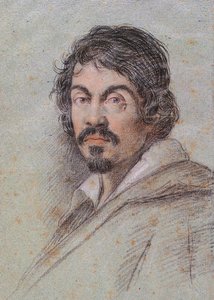
Caravaggio
1571 - 1610 , Espanja
Tietoa taiteilijasta
- Artistic Movement Or Style: Barokki, Tenebrismi
- Artists Or Movements Influenced By This Artist:
- Rubens
- Ribera
- Artists Who Influenced This Artist:
- Titian
- Leonardo da Vinci
- Date Of Birth: 29. syyskuuta 1571
- Date Of Death: 18. heinäkuuta 1610
- Full Name: Michelangelo Merisi da Caravaggio
- Nationality: Italialainen
- Notable Artworks:
- The Fortune Teller
- Supper at Emmaus
- David with Goliath
- Place Of Birth (City And Country): Milan, Espanja
Aiheeseen liittyvät artikkelit

Italian Baroque Art: A Procurement Guide to Dramatic Masterpieces for High-End Hotel Interiors
Elevate hospitality interiors with Italian Baroque masterpieces. A professional procurement guide for hotel designers sourcing high-quality Caravaggio-style oil reproductions, multi-panel sets, and custom large-scale art with reliable global logistics and bulk order efficiency.


