


 Katso seinällä
 Lähetä
 Jaa
Jaa
 Tarkemmat tiedot
 Guide
Guide

 Lataa kuva
 Samanlaisia kohteita
 Röntgenkuvaus
 Diaesitys
 Tilastot
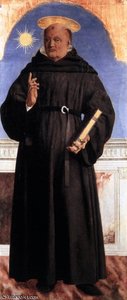
Portrait of a Friar
 Baroque
 1650
1650 142.0 x 127.0 cm
 Accademia Carrara
 Lue lisää
Käsinmaalattu öljyvärinen jäljennös
Käsinmaalattu öljyväri kankaalle haluamassasi koossa ja kehyksissä, taiteilijoidemme valmistamana tilauksesta. ( Vaihda tulosteeseen Siirry digitaaliseen kuvaan)




































Valitse valmiista mitoistamme sellaiset, jotka vastaavat teoksen alkuperäisiä mittasuhteita.

Voit syöttää omat mitat sopimaan tiettyyn kehykseen tai tilaan. Jos valitsemasi koko ei vastaa alkuperäisen kuvan mittasuhteita, rajaamme taideteoksen tai jatkamme maalausta käsin maalatuilla elementeillä. Digitaalinen esikatselu lähetetään hyväksyttäväksi ennen tuotannon aloittamista.
Huomioithan, että näytöllä oleva esikatselu ei vastaa todellista rajausta tai jatkamista. Vain digitaalinen mallikuva näyttää lopullisen sommittelun tarkasti.
Vaikka mittatilaustyöt ovat mahdollisia, suosittelemme valitsemaan mitan ennalta määritetystä listasta alkuperäisten mittasuhteiden säilyttämiseksi.
Tilauksen jälkeen AllPaintingsStore.com -tiimi lähettää asiakkaalle sähköpostitse ohjeet ja esikatselukuvan.
Maailmanlaajuinen toimitus () 3–4 viikossa tavallisen 5 viikon sijaan. (21 syyskuu). Laadusta ei tingitä.

Ilmainen pikatoimitus ympäri maailman

Korkealaatuinen pellavakangas

Kattava kuljetusvakuutus

Tulliveron palautustakuu

Takuu täydellisestä värien vastaavuudesta

100 päivän palautusoikeus valmistusvirhetapauksissa

100% rahat takaisin -takuu

Määräalennus saatavilla
 Lasivaihtoehto on saatavilla vain alle 110 cm kokoisille teoksille

Portrait of a Friar
Reproduktiotapa
Replikaatin koko
-


Kokonaishinta
$ 258
Samankaltaisia teoksia



Taiteilijan elämäkerta
The Soul of Bergamo: The Life and Legacy of Carlo Ceresa
In the heart of the Brembana Valley, amidst the quiet beauty of San Giovanni Bianco, a master was born who would eventually capture the very essence of the Lombard spirit. Carlo Ceresa, arriving in 1609, did not merely paint faces; he etched the dignity, the piety, and the social fabric of the Bergamo region into the annals of Baroque history. His life was a testament to the profound connection between an artist and his landscape, a journey that saw him rise from the son of well-to-do migrants to become the preeminent chronicler of local nobility and clergy. Through a brush guided by both naturalism and a deep spiritual devotion, Ceresa bridged the gap between the fading echoes of Mannerism and the burgeoning realism of the seventeenth century.
The foundations of Ceresa’s technique were laid under the watchful eye of the Milanese master Daniele Crespi. This early apprenticeship was transformative; even after Crespi’s untimely death in 1630, his stylistic vocabulary—marked by a meticulous attention to detail and an expressive use of color—remained the heartbeat of Ceresa’s work. As he matured, Ceresa began to weave together a unique aesthetic tapestry. He drew inspiration from the legendary Giovanni Battista Moroni, adopting a naturalistic approach that celebrated the unadorned truth of his subjects, while simultaneously embracing the vibrant, luminous palette characteristic of the Venetian school. This fusion allowed him to create works that were at once somber and strikingly alive.
A Master of Character and Devotion
Ceresa’s career was defined by a dual mastery of the secular and the sacred. As a portraitist, he became the preferred artist for Bergamo’s most influential families. His marriage to Caterina Zignoni, a woman from a prominent local lineage, provided him with more than just personal companionship; it granted him entry into the inner circles of the city's elite. In his portraits, such as those commissioned by the Vertova family, one finds an extraordinary ability to render the texture of fine fabrics and the subtle nuances of human character. Whether depicting a gentleman in quiet contemplation or the striking presence of a dwarf, Ceresa sought a powerful sense of psychological depth, moving away from the artifice of previous eras toward a more honest, austere realism.
Parallel to his portraiture was his profound commitment to religious artistry. The churches and sanctuaries of the Bergamo region became galleries for his devotion. His altarpieces were not merely decorative additions to sacred spaces but were windows into the divine. In works like “The Pietà with Saints and Donor”, Ceresa utilized a deliberate restraint in ornamentation, allowing the emotional weight of the scene to take center stage. His religious compositions often featured:
- Spiritual Sobriety: A rejection of excessive Baroque flourish in favor of a meditative, understated elegance.
- Luminous Color: The use of rich, Venetian-inspired tones to illuminate sacred figures and heighten the drama of biblical encounters.
- Humanized Divinity: An approach that brought saints and biblical figures into a relatable, earthly reality through naturalistic depiction.
Historical Significance and Artistic Endurance
The historical importance of Carlo Ceresa lies in his role as a stylistic bridge. He stood at the crossroads of tradition and innovation, looking backward to the late-Mannerist influences of Enea Salmeggia and forward to the emotive, psychologically nuanced approaches of Fra Galgario and Ceruti. His ability to maintain the dignity of the subject while embracing a new, more grounded reality helped define the visual identity of Bergamo during a period of significant cultural transition.
Though he passed away in Bergamo in 1679, leaving behind a legacy far greater than his individual years, Ceresa’s influence endured through the very stones of the churches he adorned and the faces of the ancestors he immortalized. Today, his works serve as vital historical documents, offering a window into the 17th-century Italian soul—a world where the boundaries between the earthly and the divine were blurred by the masterful stroke of a single, dedicated hand.

Carlo Ceresa
1609 - 1679 , Italy
Tietoa taiteilijasta
- Artistic Movement Or Style: Baroque
- Artists Or Movements Influenced By This Artist:
- Fra Galgario
- Giuseppe Ghislandi
- Artists Who Influenced This Artist:
- Giovanni Battista Moroni
- Hendrik Goltzius
- Francesco Zucchi
- Date Of Birth: January 20, 1609
- Date Of Death: January 29, 1679
- Full Name: Carlo Ceresa
- Nationality: Italian
- Notable Artworks:
- Portrait of a Friar
- A Man with a Child
- Portrait of a Gentleman
- Place Of Birth: San Giovanni Bianco, Italy
Aiheeseen liittyvät artikkelit

Decoding Baroque Grandeur: A Guide to the Drama and Emotion of 17th-Century Art
Explore the breathtaking drama of 17th-century Baroque art. Our expert guide decodes the use of chiaroscuro, emotional intensity, and historical grandeur to help you appreciate and curate timeless masterpieces for your collection.

Baroque Classicism: Reconciling Drama & Order in 17th-Century Art
Explore the captivating world of Baroque Classicism! Discover its history, key artists like Caravaggio & Rubens, and defining characteristics. Expert insights & high-quality reproductions at AllPaintingsStore.

The Visceral Stage: Exploring Dramatic Narratives & Emotional Intensity in Baroque Art
Explore the dramatic world of Baroque art! Discover iconic masters like Caravaggio & Rembrandt, their techniques, and the movement's lasting impact. Expert insights for collectors & enthusiasts at AllPaintingsStore.

Drama and Light: A Definitive Guide to the Italian Baroque Masterpieces and the Revolution of Chiaroscuro
Explore the dramatic world of Italian Baroque art. Discover how masters like Caravaggio used chiaroscuro and tenebrism to revolutionize painting through light, shadow, and profound realism. A definitive guide for history lovers and art collectors.

Baroque Classicism: The Grandeur of Order and Drama in 17th-Century Art History
Explore the profound elegance of Baroque Classicism. Discover how 17th-century masters synthesized dramatic emotion with classical order through the lens of the Counter-Reformation and the works of legends like Carlo Maratta and Andrea Sacchi.

