


 Katso seinällä
 Lähetä
 Jaa
Jaa
 Tarkemmat tiedot
 Opas
Opas

 Lataa kuva
 Samanlaisia kohteita
 Röntgenkuvaus
 Diaesitys
 Tilastot
Aeneas Carrying Anchises
 Oil On Canvas
- WallArt
- Rococo
 1729
1729 110.0 x 105.0 cm
 Louvren museo
 Lue lisää
Giclée- ja taideprintit
Museolaatuisia giclée- tai kankaitaulun tulosteita nopealla tuotannolla ja joustavilla viimeistelyvaihtoehdoilla. ( Tilaa käsinmaalattu jäljennös Siirry digitaaliseen kuvaan)




P118B €10

P118H €10

P118W €10

P438Z €10

P508JH €12

P508YH €12

P805H €10

P805Z €10

P919BZ €10

P919G €10

P919XJ €10

P959ZH €10

P968JZ €12

W106C €8

W218G €10

W218JH €8

W218Y €10

W307PJ €10

W316G €10

W316PJ €8

W316Y €10

W398PJ €8

W4111J €10

W500HY €15

W500JH €15

W692G €12

W849H €8

W940BG €15

W953PJ €8




Valitse valmiista mitoistamme sellaiset, jotka vastaavat teoksen alkuperäisiä mittasuhteita.

Kirjoita tarvitsemasi leveys ja korkeus, jotta tuloste sopii kehyskokoon tai seinällesi. Tulostetta voidaan vain leikata, sitä ei voi koskaan tehdä suuremmaksi kuin alkuperäinen kuva, joten eri muotoinen koko aiheuttaa osan kuvasta katoamisen. Lähetämme sinulle digitaalisen mallikuvan hyväksyttäväksi ennen kuin aloitamme tulostuksen. Tällä sivulla näkyvä kuva ei näytä lopullista leikkausta — vain mallikuva näyttää sen.
Maailmanlaajuinen toimitus () 2 viikossa tavallisen 4–5 viikon sijaan. (25 lokakuu)

Ilmainen pikatoimitus ympäri maailman

Korkealaatuinen pellavakangas

Kattava kuljetusvakuutus

Tulliveron palautustakuu

Takuu täydellisestä värien vastaavuudesta

100 päivän palautusoikeus valmistusvirhetapauksissa

100% rahat takaisin -takuu

Määräalennus saatavilla
 Lasivaihtoehto on saatavilla vain alle 110 cm kokoisille teoksille

Aeneas Carrying Anchises
Giclée- ja taideprintit
Replikaatin koko
-


Kokonaishinta
€ 56
Aeneas Carrying Anchises: A Testament to Roman Heroism and Rococo Elegance
Charles-André van Loo’s “Aeneas Carrying Anchises,” painted in 1729, is more than just a depiction of a pivotal moment from Virgil's *Aeneid*; it’s a masterful distillation of the Rococo style, imbued with a profound sense of drama and classical gravitas. This artwork, now meticulously reproduced on hand-painted canvas by AllPaintingsStore, offers a captivating glimpse into 18th-century French artistic sensibilities – a world where mythological narratives intertwined seamlessly with aristocratic life and an exquisite attention to detail reigned supreme.
The scene unfolds within a classically inspired architectural setting, reminiscent of the Temple of Venus or perhaps even the Parthenon, lending an air of timeless grandeur. Van Loo skillfully employs atmospheric perspective – the subtle blurring of details in the background – to draw the viewer’s eye towards the central figures: Aeneas, the Trojan hero, and his aged father, Anchises. The composition is carefully balanced, utilizing a pyramidal structure that reinforces the importance of these two patriarchs. Note the deliberate use of light; it illuminates Aeneas's determined face and the weight of responsibility he carries, while casting a softer glow upon Anchises, suggesting both vulnerability and profound wisdom.
The Rococo Palette: Color, Texture, and Ornamentation
As a leading figure in the Rococo movement, Van Loo’s signature style is immediately recognizable. The painting bursts with rich, layered colors – deep reds, blues, and golds dominate the palette, creating an opulent and luxurious atmosphere. The artist's meticulous brushwork reveals a remarkable attention to texture; from the folds of Aeneas’s cloak to the weathered skin of Anchises, every surface is rendered with incredible realism. Observe how he uses shimmering highlights to capture the light reflecting off polished marble columns and the fabric of their garments – a hallmark of Rococo technique.
The decorative elements are equally noteworthy. The architectural details, while rooted in classical forms, are embellished with intricate moldings, garlands, and subtle flourishes characteristic of the era. Van Loo’s mastery extends to portraying the human form; Aeneas and Anchises are depicted with a graceful elegance that reflects the ideals of beauty prevalent during the Rococo period. The inclusion of other figures in the background – soldiers, attendants, and perhaps even a veiled woman – adds depth and narrative complexity to the scene, hinting at the broader context of the Trojan War and its aftermath.
Symbolism and Narrative Resonance
Beyond its aesthetic beauty, “Aeneas Carrying Anchises” is rich in symbolic meaning. The act of Aeneas carrying his father represents not only filial devotion but also the burden of leadership and the transmission of legacy. Anchises, a descendant of Aeneas and the rightful heir to Troy, embodies the continuity of Roman civilization. The setting itself – a temple or monumental structure – elevates the scene to a realm of mythic importance, suggesting that Aeneas’s journey is not merely a personal quest but a destiny ordained by the gods.
Furthermore, the presence of the woman in the background has been interpreted as representing Fides (Faith) or perhaps even Venus herself, subtly reinforcing the themes of duty, honor, and divine guidance. The painting's overall mood is one of solemn determination tempered with a poignant sense of loss – a reminder of the sacrifices required to fulfill a noble purpose. AllPaintingsStore’s faithful reproduction captures this nuanced emotional depth, allowing viewers to fully appreciate the artistry and storytelling embedded within Van Loo’s masterpiece.
Bringing “Aeneas Carrying Anchises” Home
Whether you're an art enthusiast, a collector seeking to enrich your collection, or simply someone looking for a stunning addition to your interior décor, AllPaintingsStore’s hand-painted reproduction of “Aeneas Carrying Anchises” offers the perfect opportunity to own a piece of 18th-century artistic history. The meticulous detail and vibrant colors faithfully recreate Van Loo's original vision, while the canvas medium provides a timeless quality that will endure for generations to come. Explore our selection of sizes and framing options to find the ideal representation for your space – and experience the enduring power of this iconic artwork.
Kysymykset ja vastaukset
Millaista kylläisyyttä ja intensiteettiä Charles André van Loo:n "Aeneas Carrying Anchises" edustaa?
Teoksen "Aeneas Carrying Anchises" värikylläisyys on Subtle Color ja värin voimakkuus on Monochromatic.
Missä "Aeneas Carrying Anchises" suositellaan sijoitettavan, kun otetaan huomioon sen väripaletti?
Sen Earthy sävyjen huomioiden "Aeneas Carrying Anchises" sopii erinomaisesti Living Room-tilaan.
Miten taidesuuntaus ja aikakausi kohtaavat teoksessa Charles André van Loo:n "Aeneas Carrying Anchises"?
"Aeneas Carrying Anchises" kuuluu Rococo-suuntaukseen, ja sen tekijä työskenteli Uusmodernismi (1600–1800) -> 05-aikakaudella.
Samankaltaisia teoksia


Taiteilijan elämäkerta
Nuoruus ja taiteellinen koulutus
- Syntynyt: 15. helmikuuta 1705, Nizzassa, Ranska
- Taustaperhe: Louis-Abraham van Loon poika ja Jean-Baptiste van Loonin nuorempi veli. Hän kuului menestyvään hollantalaisten taidemaalareiden dynastiaan.
- Varhaiset opinnot: Alkuopetus Torinossa, jota seurasivat opiskeluvuodet Roomassa (1712) Benedetto Luti:n ja Pierre Legros'n alaisuudessa.
- Pariisin opinnot: Opiskeli Académie royale -akatemialla, jossa hän voitti ensimmäisen palkinnon piirtämisestä vuonna 1723 sekä historiallisesta maalaamisesta vuonna 1727.
Taiteellinen ura ja merkittävät teokset
- Tyyli: Tunnetaan ensisijaisesti rokokoo-maalarina, jonka tyylille ovat ominaisia eleganssi, sulavuus ja koristeellinen yksityiskohtaisuus.
- Aihepiiri: Monipuolinen valikoima, joka sisältää muotokuvia, mytologisia kohtauksia, historiallisia maalauksia, allegorioita ja genremalauksia.
- Merkittävät teokset:
- Venus ja Amor (Kunsthalle Bremen) – Osoittaa rokokoo-tyylin mestaruuden.
- Metsästystauko (The Metropolitan Museum of Art) – Tavoittaa aristokraattista elämäntapaa.
- Ranskan kuningatar Marie Leszczynskan muotokuva – Huomionarvoinen kuninkaallinen muotokuva.
- Jupiter ja Antiope – Esittelee mytologisia teemoja.
- Itsekuva – Tarjoaa näkymän taiteilijan omaan minäkuvaan.
- Perseus ja Andromeda (useita versioita) – Havainnollistaa taitoa kuvata klassista mytologiaa.
- Mademoiselle Clairon Medeana (pienoisversio) – Valloittava rokokoo-muotokuva vuodelta 1760.
Suojelus ja kuninkaallinen tunnustus
- Kuninkaallinen suojelus: Nautti Madame de Pompadour’n ja Ranskan hovin suosiota.
- Pyhän Mikaelin ritarikunta: Koronnettu Pyhän Mikaelin ritarikunnalla, mikä merkitsi kuninkaallista suosiota.
Vaikutteet ja perintö
- Perheen vaikutus: Sai voimakkaita vaikutteita isältään ja veljeltään, jotka molemmat olivat taitavia maalareita.
- Kilpailu: Kilpaili François Boucher’n kanssa, joka oli toinen merkittävä rokokoo-taiteilija.
- Moderni ranskalainen koulu: Hänen "tyylinsä yksinkertaisuus ja muotoilun tarkkuus" vaikuttivat merkittävästi moderniin ranskalaiseen maalauskouluun.
- Kritiikin kohtalo: Vaikka hänen kriittinen asemansa vaihteli ajan myötä, hänen taitonsa ja työnsä laajuus herättävät suurta kunnioitusta.
Museokokoelmat ja jatkotutkimus
- Museoiden kokoelmissa: Hänen teoksiaan on esillä merkittävissä museoissa, kuten Louvressa (Neitsyen häät), Kunsthalle Bremenissä ja The Metropolitan Museum of Artissa.
- Lisäresurssit:
- AllPaintingsStoren Charles-André van Loo -sivu: https://www.AllPaintingsStore.com/artists/charles-andre-van-loo/
- AllPaintingsStoren kaikkien aikojen suurimmat taiteilijat -sivu: https://www.AllPaintingsStore.com/greatest-artists
- AllPaintingsStore Virtuaalimuseo: https://www.AllPaintingsStore.com/
- Wikipedia-artikkeli: https://en.wikipedia.org/wiki/Charles-Andr%C3%A9_van_Loo

Charles André van Loo
1705 - 1765 , Ranska
Tietoa taiteilijasta
- Artistic Movement Or Style: Rokoko
- Artists Or Movements Influenced By This Artist: ['Modern Ranskan koulukunta']
- Artists Who Influenced This Artist:
- Benedetto Luti
- Pierre Le Gros
- Date Of Birth: Feb 15, 1705
- Date Of Death: July 15, 1765
- Full Name: Charles André van Loo
- Nationality: Ranskalainen
- Notable Artworks:
- Venus ja Amor
- Saalistuksen pysäkki
- Marie Leszczynska kruununprinssänna kasvot
- Place Of Birth: Nice, France
Aiheeseen liittyvät artikkelit

Rokokoon mestariteokset: Taidetta ja eleganssia kotiisi – AllPaintingsStore.com
Uppoudu rokokoon maailmaan! Tutustu 10 mestariteokseen – Fragonard, Watteau ja muut. Taidetta, eleganssia & inspiraatiota kotiisi. Laadukkaat taideprintit AllPaintingsStore.com:ssa. Explore the full collection online!

Alkuflaamin taiteen mestariteokset: 10 teosta, jotka määrittelivät renessanssin – AllPaintingsStore.fi
Tutustu alkuflaamin renessanssin 10 mestariteokseen! Jan van Eyckin, Rogier van der Weydenin ja muiden taiteilijoiden ikonisia maalauksia. Öljyvärimaalauksen huippua – löydä inspiraatiota kotiisi AllPaintingsStore.comista. Tutustu kokoelma!

Charles-André van Loo: A Study in Rococo Portraiture & the French Court's Artistic Dynamics
Explore the elegant world of Charles-André van Loo, a master of Rococo portraiture at the French court. Discover his life, techniques, and enduring influence on 18th-century art. Hand-painted reproductions available.

Alkuflaamilaisen maalauksen 10 mestariteosta – Taidetta kotiisi AllPaintingsStoreilta
Tutustu alkuflaamilaisen maalauksen 10 mestariteokseen – Jan van Eyckistä Hieronymus Boschiin. Taidetta, historiaa ja inspiraatiota kotiisi AllPaintingsStoreilta. Laadukkaat öljyvärimaalaukset ja sisustusehdotukset odottavat! Tutki kokoelma verkossa.
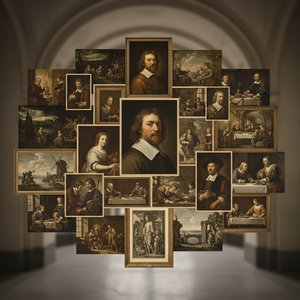
Rembrandtin mestariteokset: 25 taideteosta valokuvapainatuksina kotiisi | AllPaintingsStore
Tutustu Rembrandtin 25 mestariteokseen – valokuvapainatuksina kotiisi! Uppoudu hollantilaisen kultakauden taiteeseen, varjoihin ja valoon. Löydä ikonisia muotokuvia ja historiallisia maalauksia AllPaintingsStore.comista. Tutustu kokoelma!


