

Oil On Canvas.

§ 1Luettelotiedot

§ 2Abstrakti
Keräilykohteen kuvaus
Explore Claude Monet’s "untitled (5253)", a tender Realist oil painting capturing domesticity & motherhood. Discover its layered technique & serene atmosphere – a glimpse into Impressionism.
 Lue lisää
Taiteilijan elämäkerta
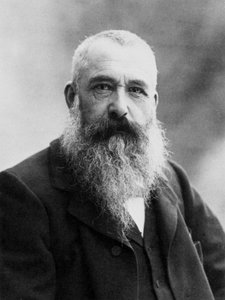
Tutustu impressionismin mestari Claude Monetiin, joka tunnetaan katoavan valon ja värin vangitsemisesta ikonisissa maisemissa, kuten Vesiliileissä ja heinäsuoissa.
§ 3Kommentointi
Claude Monet’s “Woman with a Parasol – Madame Monet and Her Son”
“Woman with a Parasol – Madame Monet and Her Son,” painted in 1875, stands as a quintessential example of Claude Monet's Impressionist vision—a fleeting glimpse into domestic tranquility infused with the vibrant energy of nature. More than just a portrait of Monet’s wife Camille and their son Jean, it embodies a broader exploration of perception and emotion, capturing not merely what is seen but how it feels to experience a summer afternoon.
Monet's masterful technique—characterized by rapid brushstrokes and layering thin glazes of oil paint—is central to conveying this atmosphere. He eschewed the meticulous detail favored by academic painters, prioritizing instead the immediacy of observation. The scene unfolds outdoors in Argenteuil, a suburb of Paris where Monet established his studio during this period, aligning perfectly with Impressionism’s core philosophy: painting *en plein air*, directly from nature.
- Composition & Perspective: The tightly framed composition draws the viewer's eye to Camille and Jean, positioned centrally against a backdrop of lush greenery. Monet employs flattened perspective, prioritizing visual representation over strict three-dimensional accuracy—a deliberate choice that enhances the sense of spontaneity and captures the essence of the moment.
- Color Palette & Texture: Monet’s palette explodes with hues derived from the surrounding wildflowers – yellows, blues, greens – skillfully blended to create a luminous effect. The artist meticulously builds up texture through layering paint and depicting the folds and wrinkles of the bedclothes and drapery, mirroring the organic forms of the landscape.
- Symbolism: Beyond its depiction of family life, “Woman with a Parasol” carries symbolic weight. The parasol serves as a visual motif representing protection and femininity, while the flowers symbolize beauty and renewal—themes recurrent throughout Monet’s oeuvre. Camille's gaze directs towards Jean, suggesting maternal concern and highlighting the importance of familial bonds.
- Historical Context: Painted during the Second Impressionist Exhibition in 1876, this artwork reflects the broader artistic movement’s rejection of traditional conventions and embrace of subjective experience. Monet’s work challenged established norms, paving the way for modern art's exploration of emotion and atmosphere.
The resulting image is profoundly evocative—a testament to Monet’s ability to translate sensory impressions onto canvas. It invites contemplation on the beauty of everyday life and the ephemeral nature of time itself. “Woman with a Parasol” remains an enduring symbol of Impressionism's legacy, demonstrating how art can capture not just what we see but what it feels like to *be* present in the world.
Kysymykset ja vastaukset
Onko "untitled (5253)" tunnettu Impressionism-tyylisuunnan teos?
Claude Monet:n "untitled (5253)" on luokiteltu Iconic ja se kuuluu Impressionism-tyylisuuntaan.
Mikä teos "untitled (5253)" on?
"untitled (5253)" on WallArt-teos.
Mikä on teoksen Claude Monet:n "untitled (5253)" luminanssi?
Teoksen Claude Monet:n "untitled (5253)" luminanssi on Gentle Luminance.


 Vaihda tulosteeseen


 Teoksille tai reproduktioille, joiden mikä tahansa sivu on suurempi kuin 105 cm (noin 41 tuumaa), kehys toimitetaan osina purettuna sarjana. Tämä menetelmä varmistaa turvallisen toimituksen ja ehkäisee vaurioita kuljetuksen aikana.


