


 Esikatselu
 Jaa
Jaa Jaa
Jaa
 Tarkemmat tiedot

 Lataa
Lataa
 Samanlaisia
 Röntgenkuva
 Diaesitys
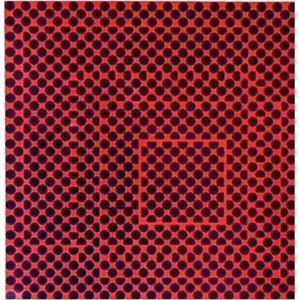
Lattice


 Näytä lisää
Käsinmaalattu öljykopio
Käsinmaalattu öljyväri kankaalle haluamassasi koossa ja kehyksissä, taiteilijoidemme valmistamana tilauksesta. ( Osta printti Osta kuva)




































Valitse valmiista mitoistamme sellaiset, jotka vastaavat teoksen alkuperäisiä mittasuhteita.

Voit syöttää omat mitat sopimaan tiettyyn kehykseen tai tilaan. Jos valitsemasi koko ei vastaa alkuperäisen kuvan mittasuhteita, rajaamme taideteoksen tai jatkamme maalausta käsin maalatuilla elementeillä. Digitaalinen esikatselu lähetetään hyväksyttäväksi ennen tuotannon aloittamista.
Huomioithan, että näytöllä oleva esikatselu ei vastaa todellista rajausta tai jatkamista. Vain digitaalinen mallikuva näyttää lopullisen sommittelun tarkasti.
Vaikka mittatilaustyöt ovat mahdollisia, suosittelemme valitsemaan mitan ennalta määritetystä listasta alkuperäisten mittasuhteiden säilyttämiseksi.
Tilauksen jälkeen AllPaintingsStore.com -tiimi lähettää asiakkaalle ohjeet ja esikatselukuvan.
Maailmanlaajuinen toimitus () 3–4 viikossa tavallisen 5 viikon sijaan. (22 elokuu). Laadusta ei tingitä.

Ilmainen pikatoimitus ympäri maailman

Korkealaatuinen pellavakangas

Kattava kuljetusvakuutus

Tulliveron palautustakuu

Täydellinen värien vastaavuustakuu

60 päivän palautusoikeus (vain valmistusvirheet)

100% rahat takaisin -takuu

Määräalennus tarjous
 Lasivaihtoehto on saatavilla vain alle 110 cm kokoisina teoksina

Lattice
Reproduktiotekniikka
Replikaatin koko
-


Kokonaishinta
$ 258
Samankaltaisia teoksia



Taiteilijan elämäkerta
The Radical Dismantling of the Painted Image
In the late 1960s, a seismic shift occurred within the French art scene, led by a group of visionaries determined to strip painting of its traditional illusions and decorative pretenses. At the heart of this movement was Daniel Dezeuze, a pivotal figure and founding member of the influential Supports/Surfaces collective. Alongside peers such as Claude Viallat and Jean-Pierre Pincemin, Dezeuze embarked on a profound interrogation of the medium itself. Rather than treating the canvas as a window into another world, he sought to expose its very bones. This radical project was not merely a stylistic rebellion; it was an intellectual endeavor to dismantle the established framework of art history, liberating the act of creation from the heavy weight of representation and the false security of the frame. By deconstructing the relationship between the support and the surface, Dezeuze challenged viewers to confront the raw materiality of the artistic object.Intellectual Foundations and Global Perspectives
Dezeuze’s approach to visual deconstruction was deeply informed by his rigorous academic pursuits. His journey, which led him to earn a doctorate in comparative literature at the Sorbonne, instilled in him a unique sensitivity to the relationship between language, structure, and form. This intellectual depth, paired with his formative years spent traversing the diverse landscapes of Spain and Mexico, allowed him to approach art through a lens of cultural and structural complexity. His work does not merely exist as an object but functions as a dialogue—a way of reading the space between what is present and what is absent. By integrating influences from both American minimalism and non-Western traditions, he crafted a visual language that is simultaneously austere and deeply layered with meaning, bridging the gap between scholarly inquiry and tactile experimentation.The Poetics of Materiality and Space
As his career progressed, Dezeuze’s work moved toward an even more elemental exploration of form, often stripping away the fabric to reveal the structural skeletons beneath. He began to utilize materials that challenged the very definition of sculpture and painting, frequently employing wooden ladders, metal gauze, and nets to redefine the boundaries of the medium. These objects do not simply occupy space; they actively reshape it, inviting the viewer to contemplate the tension between presence and void. The use of such skeletal structures became emblematic of his aesthetic philosophy—a pursuit of an architecture of lightness and transparency. Through this mastery of texture and geometry, Dezeuze achieved a profound balance of precision and vulnerability, securing his legacy as a master of deconstruction who found beauty in the very elements once hidden by the canvas.
Daniel Dezeuze
1942 - , France
Pikatiedot
- Artistic Movement Or Style: Supports/Surfaces
- Artists Or Movements Influenced By This Artist:
- Minimalism
- Conceptual Art
- Artists Who Influenced This Artist:
- Claude Viallat
- Georges Mathieu
- Date Of Birth: 1942
- Full Name: Daniel Dezeuze
- Nationality: French
- Notable Artworks:
- Lattice
- Armes et Scènes de guerre
- Place Of Birth: Alès, France


