


 Esikatselu
 Jaa
Jaa Jaa
Jaa
 Tarkemmat tiedot

 Lataa
Lataa
 Samanlaisia
 Röntgenkuva
 Diaesitys
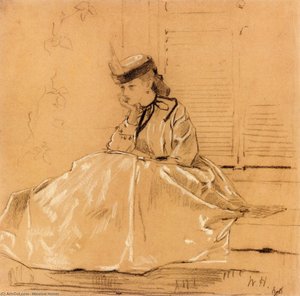
La pose

 Näytä lisää
Giclée-printit ja taideprintit
Museolaatuisia giclée- tai kankaitaulun tulosteita nopealla tuotannolla ja joustavilla viimeistelyvaihtoehdoilla. ( Osta käsintehty maalaus Osta kuva)




































Valitse valmiista mitoistamme sellaiset, jotka vastaavat teoksen alkuperäisiä mittasuhteita.

Voit syöttää omat mitat sopiaksesi tiettyyn kehykseen tai tilaan. Jos valittu koko ei vastaa alkuperäisen kuvan mittasuhteita, rajaamme teosta tai laajennamme kuvaa peilatulla tai yhtenäisellä reunalla. Digitaalinen mallikuva lähetetään hyväksyttäväksi ennen tuotannon aloittamista.
Huomaathan, että näytöllä näkyvä esikatselu ei vastaa lopullista rajausta tai laajennusta. Vain mallikuva näyttää lopullisen sommittelun tarkasti.
Vaikka räätälöityjä kokoja on saatavilla, suosittelemme valitsemaan mitat valmiista listasta alkuperäisten mittasuhteiden säilyttämiseksi.
Toimitus maailmanlaajuisesti () kahdessa viikossa tavallisen 4–5 viikon sijaan. (18 elokuu)

Ilmainen pikatoimitus ympäri maailman

Korkealaatuinen pellavakangas

Kattava kuljetusvakuutus

Tulliveron palautustakuu

Täydellinen värien vastaavuustakuu

60 päivän palautusoikeus (vain valmistusvirheet)

100% rahat takaisin -takuu

Määräalennus tarjous
 Lasivaihtoehto on saatavilla vain alle 110 cm kokoisina teoksina

La pose
Giclée-printit ja taideprintit
Replikaatin koko
-


Kokonaishinta
$ 64
Samankaltaisia teoksia




Taiteilijan elämäkerta
The Soul of the Lowlands: The Life and Art of David Ooyens
In the tapestry of nineteenth-century Dutch art, few threads are as intricately woven as those belonging to David Ooyens. Born in Amsterdam in 1842, Ooyens was part of a remarkable duo of identical twins, alongside his brother Pieter, whose lives were defined by a shared devotion to the canvas. Emerging from a family of bankers, the brothers famously eschewed the predictable security of finance for the bohemian allure of the studio. This transition from the structured world of commerce to the fluid realm of aesthetics allowed David to pursue a vision that would eventually bridge the gap between the lingering echoes of medieval tradition and the burgeoning light of modern impressionism.
The formative years of Ooyens were marked by an early immersion in the discipline of drawing, guided by the hand of Johan Hendrik Veldhuyzen. However, it was his move to Brussels in 1860 that truly ignited his artistic metamorphosis. Within the halls of the Academie voor Kunsten and later under the tutelage of the Orientalist master Jean-François Portaels, Ooyens began to refine a style that favored atmospheric nuance over mere anatomical precision. His education instilled in him a profound respect for tonal harmony, a trait that would become the hallmark of his most evocative works.
A Mastery of Atmosphere and Genre
Ooyens’s oeuvre is a testament to his ability to find the extraordinary within the ordinary. While he was deeply skilled in portraiture—capturing the psychological complexities and unvarnished truths of his subjects—he found his greatest resonance in the landscapes of the Dutch countryside. His paintings of windmills, peat marshes, and the rolling lowlands are far more than topographical records; they are emotional landscapes. Through a delicate application of muted palettes and soft, rhythmic brushstrokes, he captured the very essence of the Dutch spirit: a sense of quiet solitude, contemplative melancholy, and a deep-seated connection to the earth.
His technical approach was heavily influenced by the naturalistic observations championed by Anton Mauve. By prioritizing atmospheric perspective, Ooyens could make the damp air of a marshland or the hazy light of a Dutch afternoon feel tangible to the viewer. This mastery of light allowed him to transcend the rigid boundaries of genre painting, turning simple scenes of rural life into profound meditations on time and nature. His work often possessed a dreamlike quality, where the boundaries between reality and impression blurred, inviting the spectator into a world of soft edges and subtle color gradations.
Legacy and Artistic Triumph
The trajectory of David Ooyens’s career was punctuated by significant milestones that brought his talent to the forefront of the European art scene. By 1875, his reputation began to flourish, bolstered by the critical acclaim of influential voices like Camille Lemonnier. A crowning achievement arrived in 1880, when he was awarded a gold medal at the prestigious triennial Brussels Salon, a distinction that solidified his standing among the elite painters of his era. His participation in grand international stages, such as the Exposition Universelle of 1889, showcased his unique ability to blend classical sensibilities with a modern, emotive touch.
Despite the heights of his professional success, Ooyens’s later years were shadowed by personal loss and declining health. The death of his twin brother Pieter in 1894 left an indelible mark on David, casting a veil of grief over his remaining creative output. Yet, even in his final years, the legacy he left behind remains vibrant. He stands as a pivotal figure who helped navigate the transition from the structured narratives of the past to the sensory-driven explorations of the future. Today, his works continue to resonate, offering a window into a period of profound artistic evolution and a timeless celebration of the quiet beauty found in the natural world.

david oyens
1842 - 1902 , Netherlands
Pikatiedot
- Artistic Movement Or Style: Post-Impressionism
- Date Of Birth: Amsterdam, Netherlands (1842)
- Date Of Death: 1902
- Full Name: David Ooyens
- Nationality: Dutch
- Notable Artworks:
- La pose
- The conversation
- The Picture Framer
- Place Of Birth: Amsterdam
Liittyvät artikkelit

Realism in Art: A Professional Guide to Authentic Detail and Lifelike Masterpieces for Large-Scale Interior Projects
Master the use of Realism in professional interiors. This expert guide explores 19th-century masterpieces, offering procurement managers and designers technical insights into selecting authentic, hand-painted oil reproductions for high-end hotel and corporate projects.



