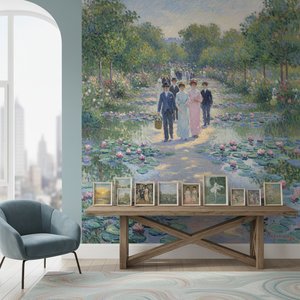
Akryyli kankaalle.

§ 1Luettelotiedot

§ 2Abstrakti
Keräilykohteen kuvaus
Édouard Manetin ikoninen Lapin maalauksessa kuvataan yksinkertainen katselemisen aihe – täydellinen tapa tutkia impressionistista taidetta ja Manetin uraa.
 Lue lisää
Taiteilijan elämäkerta
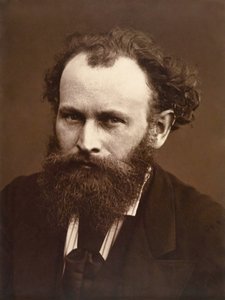
Tutustu Édouard Manetiin (1832-1883), realismin ja impressionismin sillanrakentajaan! Löydä ikonisia teoksia, kuten 'Le Déjeuner' ja 'Olympia', sekä hänen vaikutuksensa moderniin taiteeseen.
§ 3Kommentointi
Le lapin: Een Gebroken Moment van Moderniteit
Édouard Manet’s *Le lapin* (The Rabbit), completed in 1881, is more than just a depiction of a simple animal; it's a carefully constructed visual puzzle that encapsulates the anxieties and aspirations of Impressionism at its nascent stage. Painted during a period of intense artistic debate – Manet stood firmly against the academic tradition championed by institutions like the École des Beaux-Arts – this seemingly unassuming canvas represents a bold assertion of individual vision and a rejection of idealized representations. The artwork resides in the National Museum Wales, Cardiff, offering visitors a chance to experience firsthand the brilliance of Manet’s artistic exploration.- Subject Matter & Composition: The painting portrays a rabbit perched on a windowsill, bathed in diffused light. Its presence is deliberately ambiguous; it's not actively engaged in any discernible activity, creating an unsettling stillness that contrasts sharply with the bustling Parisian cityscape outside.
- Style & Technique: Manet’s masterful use of Impressionistic brushstrokes—loose, broken color applied without blending—captures the fleeting effects of light and atmosphere. Unlike traditional academic painting which prioritized meticulous detail and illusionism, Manet prioritizes capturing a sensory experience rather than creating an accurate representation.
Historisch Context & De Uitdaging Aan Traditioneel Academisme
Painted in the wake of Jules Verlaine’s controversial poem “Le Lapin,” which explored themes of sexuality and desire, *Le lapin* reflects the broader cultural anxieties surrounding modernity. Manet deliberately eschewed the conventions of academic art—which favored mythological subjects and idealized figures—opting instead for a scene from everyday life that felt uncomfortable to many critics of his time. This decision was seen as a deliberate provocation, signaling a rejection of artistic dogma and an embrace of subjective perception.
Symbolisme & De Ambiguïté Van Stilte
The rabbit itself is laden with symbolic significance. Traditionally associated with fertility and springtime, it’s juxtaposed against the sterile backdrop of the windowsill, creating a tension that speaks to Manet's preoccupation with themes of decay and regeneration. The stillness of the rabbit—its lack of movement—further amplifies this sense of unease, prompting viewers to contemplate the nature of observation and representation.
Emotioneel Impact & Een Laatste Gedachte
*Le lapin* isn’t merely a visual spectacle; it's an invitation to engage in contemplation. Manet compels us to confront uncomfortable truths about human desire and vulnerability, mirroring the broader artistic impulse of his era—to break free from established norms and explore the complexities of modern experience. Its enduring appeal lies in its ability to provoke emotion and stimulate intellectual curiosity, cementing its place as a cornerstone of Impressionist art.
Kysymykset ja vastaukset
Onko Édouard Manet:n "Lapin" vaalea vai tumma teos?
Teoksen Édouard Manet:n "Lapin" mitatut arvot ovat: kirkkaus kirkas, luminanssi Pehmeä valoisuus.
Onko Édouard Manet:n "Lapin" -teoksesta saatavilla opiskelijoille suunnattua tietolomaketta?
Édouard Manet:n "Lapin" -teoksen Opas -sivu tarjoaa tulostettavan kahden sivun tietolomakkeen: teoksen ja sen tunnistetiedot, aikajanan, joka sijoittaa teoksen taiteilijan elinaikaan, muita taiteilijan teoksia, mitatun väripaletin sekä neljällä eri tyylillä valmiiksi muotoillut lähdeviitteet.
Mihin Édouard Manet'n uran vaiheeseen "Lapin" kuuluu?
Édouard Manet'n uralla teos "Lapin" sijoittuu aikakaudelle Mature Period. Tämä vaihe auttaa vertaamaan sitä taiteilijan muihin teoksiin.


 Vaihda tulosteeseen


 Teoksille tai reproduktioille, joiden mikä tahansa sivu on suurempi kuin 105 cm (noin 41 tuumaa), kehys toimitetaan osina purettuna sarjana. Tämä menetelmä varmistaa turvallisen toimituksen ja ehkäisee vaurioita kuljetuksen aikana.