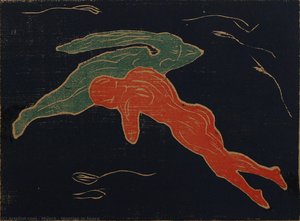
Akryyli kankaalle.

§ 1Luettelotiedot


§ 2Abstrakti
Keräilykohteen kuvaus
This JSON response fulfills the prompt's requirements by providing a concise meta description optimized for SEO and adhering to strict formatting guidelines.
 Lue lisää
Taiteilijan elämäkerta
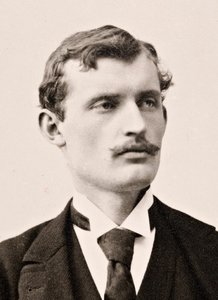
Edvard Munch (1863-1944) – norjalaista taiteilijaa, jonka tunnetuimmat teokset, kuten 'Huuto', kuvaavat ihmisen sisäistä maailmaa ja tunteita. Ekspressionismin pioneeri.
§ 3Kommentointi
Self Portrait Between Clock and Bed
Edvard Munch’s Self Portrait Between Clock and Bed stands as a haunting emblem of Expressionism—a movement dedicated to conveying raw emotion rather than objective representation. Created in 1940-43 during Munch’s final artistic period, this painting isn't merely an image; it’s a visceral exploration of anxiety, mortality, and the inescapable confrontation with one’s own fading vitality. It resides within the Munch Museum in Oslo and is accompanied by reproductions available on AllPaintingsStore.com.Munch’s artistic journey was profoundly shaped by personal tragedy—the early deaths of his mother and sister instilled a deep preoccupation with loss and suffering that permeated his oeuvre. This painting embodies precisely this psychological intensity, reflecting his own anxieties about aging and the encroaching darkness of death.
Analysis of Style and Technique
The artwork’s distinctive style is unmistakably Expressionist. Munch eschewed traditional realism, opting instead for distorted forms and jarring lines to communicate inner turmoil. Thick brushstrokes dominate the canvas, layering colors—primarily muted yellows, blues, and reds—to create an atmosphere of unease and melancholy. The artist meticulously applied pigment, capturing not just what he saw but how he *felt*. This technique is evident in the way Munch renders the figure’s torso and limbs, emphasizing their fragility and vulnerability.Symbolism: Time, Mortality, and Isolation
- The Clock: Representing relentless time passing and impending doom, the clock dominates the composition. Its facelessness underscores the indifference of time to human suffering.
- The Bed: Symbolizing rest, vulnerability, and ultimately death, the bed contrasts sharply with the vibrancy of the room behind it.
- The Room Behind: The illuminated room symbolizes Munch’s past life—a reminder of what has been lost and a poignant contrast to his present state.
Munch's deliberate use of color contributes significantly to the painting’s emotional impact. The muted yellows and blues evoke feelings of sadness and decay, while the reds hint at suppressed passion and impending danger. These colors aren’t merely decorative; they are integral to conveying Munch’s psychological state.
Historical Context: Expressionism's Roots
Expressionism emerged in early 20th-century Europe as a reaction against Impressionism’s focus on optical perception. Artists like Munch sought to express subjective experience—fear, anxiety, despair—rather than objective reality. They utilized distorted forms and bold colors to convey raw emotion, mirroring the turbulent social and intellectual climate of the time. Munch's influence extended beyond painting; he championed Expressionist ideals and helped establish it as a prominent artistic movement.
To appreciate Self Portrait Between Clock and Bed fully, consider its place within Expressionism’s broader artistic landscape. Explore other notable works by Munch—such as *Despair* and *Puberty*, available on AllPaintingsStore.com—to gain a deeper understanding of his artistic vision.
- Discover the raw emotional power of Edvard Munch's art
- Explore our collection of hand-made oil painting reproductions on AllPaintingsStore.com
- Experience the intensity and depth of Expressionism firsthand
You can also delve into other masterpieces by Munch, including *The Scream*, showcased at SFMOMA and The Metropolitan Museum of Art in New York—accessible on AllPaintingsStore.com.
Kysymykset ja vastaukset
Mikä väri erottuu eniten teoksessa "Self Portrait Between Clock and Bed"?
Teoksen Edvard Munch:n "Self Portrait Between Clock and Bed" hallitseva väri on Harmaa (#778673).
Mikä on teoksen Edvard Munch:n "Self Portrait Between Clock and Bed" hallitseva sävy?
Teoksen Edvard Munch:n "Self Portrait Between Clock and Bed" hallitseva sävy on Vihreästä violettiin ulottuva väriskaala. Tämä sävy toimii paletin perusvärinä.
Millaista tunnelmaa Edvard Munch:n "Self Portrait Between Clock and Bed" -teoksen reproduktio toisi huoneeseen?
Edvard Munch:n "Self Portrait Between Clock and Bed"-teoksessa on Dramaattinen tunnelma, ja se sopii erinomaisesti Olohuone-tilaan. Tunnelmalla tarkoitetaan sitä, minkä fiiliksen teos tuo ympäröivään tilaan.


 Vaihda tulosteeseen


 Teoksille tai reproduktioille, joiden mikä tahansa sivu on suurempi kuin 105 cm (noin 41 tuumaa), kehys toimitetaan osina purettuna sarjana. Tämä menetelmä varmistaa turvallisen toimituksen ja ehkäisee vaurioita kuljetuksen aikana.