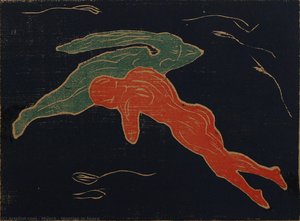
Esikatselu
 Jaa teos
 Jaa
Jaa
 Tiedot
 Opas
Opas

 Lataa kuva
 Samanlaisia kohteita
 Röntgenkuvaus
 Diaesitys
 Q&A
Q&A Tilastot
untitled (3220)

 Lue lisää
Giclée- ja taideprintit
Museolaatuisia giclée- tai kankaitaulun tulosteita nopealla tuotannolla ja joustavilla viimeistelyvaihtoehdoilla. ( Osta käsinmaalattu taideteos Siirry digitaaliseen kuvaan)




P118B €10

P118H €10

P118W €10

P438Z €10

P508JH €12

P508YH €12

P805H €10

P805Z €10

P919BZ €10

P919G €10

P919XJ €10

P959ZH €10

P968JZ €12

W106C €8

W218G €10

W218JH €8

W218Y €10

W307PJ €10

W316G €10

W316PJ €8

W316Y €10

W398PJ €8

W4111J €10

W500HY €15

W500JH €15

W692G €12

W849H €8

W940BG €15

W953PJ €8




Valitse valmiista mitoistamme sellaiset, jotka vastaavat teoksen alkuperäisiä mittasuhteita.

Syötä tarvitsemasi leveys ja korkeus, jotta tuloste sopii kehyksiisi tai seinällesi. Tulostetta voidaan vain leikata, sitä ei voida koskaan suurentaa alkuperäistä kuvaa suuremmaksi, joten eri muotoinen koko aiheuttaa osan kuvasta katoamisen. Lähetämme sinulle digitaalisen mallikuvan hyväksyttäväksi ennen kuin aloitamme tulostuksen. Tällä sivulla näkyvä kuva ei näytä lopullista rajausta — vain mallikuva näyttää sen.
Maailmanlaajuinen toimitus () 2 viikossa tavallisen 4–5 viikon sijaan. (30 lokakuu)

Ilmainen pikatoimitus ympäri maailman

Korkealaatuinen pellavakangas

Kattava kuljetusvakuutus

Tulliveron palautustakuu

Takuu täydellisestä värien vastaavuudesta

100 päivän palautusoikeus (vain valmistusvirheet)

100% rahat takaisin -takuu

Määräalennus tarjolla
 Lasivaihtoehto on saatavilla vain alle 110 cm kokoisille teoksille

untitled (3220)
Giclée- ja taideprintit
Replikaatin koko
-


Kokonaishinta
€ 57
A Winter’s Tale: Unveiling the Poignant Beauty of Munch's Untitled Scene
Edvard Munch, a name synonymous with the raw emotionality of Expressionism, gifted the world with works that delve into the depths of the human psyche. While “The Scream” often eclipses his other creations, lesser-known pieces like this untitled winter scene – cataloged as 3220 – offer equally compelling insights into Munch’s artistic vision and personal struggles. This painting isn't a dramatic outburst of angst; rather, it is a quiet meditation on solitude, resilience, and the subtle beauty found even in the bleakest landscapes. The composition depicts a snow-covered town nestled amongst rolling hills, its houses huddled together against the cold. A cloudy sky casts a muted light over the scene, enhancing the sense of stillness and isolation. Scattered figures, seemingly going about their daily routines, populate the streets, while a lone dog adds a touch of domesticity to the otherwise stark environment.
Echoes of a Troubled Soul: Context and Creation
To understand this painting fully, one must consider the biographical context that profoundly shaped Munch’s art. Born in 1863, his childhood was marked by tragedy – the early loss of his mother and sister to tuberculosis cast a long shadow over his life, instilling within him a lifelong preoccupation with mortality and illness. These experiences weren't merely personal grief; they became foundational themes explored repeatedly throughout his oeuvre. Munch’s artistic journey began in Kristiania (Oslo), where he encountered the nihilist philosopher Hans Jæger, who encouraged him to embrace subjective experience and express inner turmoil through art. This influence led Munch away from traditional academic painting towards a more emotionally charged style. While the exact date of this particular work remains unknown, it likely emerged during a period when Munch was experimenting with landscapes as vehicles for conveying psychological states – a departure from his more overtly symbolic figure paintings.
A Symphony in Subtlety: Style and Technique
Though not as immediately striking as some of his more famous works, this untitled scene demonstrates Munch’s mastery of atmosphere and mood. The brushwork is loose and expressive, capturing the texture of snow and the weight of the clouds with remarkable sensitivity. The color palette is restrained – dominated by whites, grays, and muted blues – reflecting the coldness of winter and the emotional distance conveyed within the scene. Munch doesn’t rely on dramatic contrasts or bold colors to evoke feeling; instead, he employs a subtle interplay of tones and textures to create a sense of quiet melancholy. The elevated perspective, with the town perched atop a hill, adds to the painting's contemplative quality, inviting viewers to observe the scene from a detached yet empathetic vantage point. It’s a technique that allows for both observation and introspection.
Beyond the Surface: Symbolism and Emotional Resonance
While seemingly straightforward in its depiction of a winter town, this painting invites deeper symbolic interpretation. The snow itself can be seen as representing purity, but also isolation and death – themes central to Munch’s artistic concerns. The figures, though engaged in everyday activities, appear somewhat detached and anonymous, perhaps reflecting the alienation and loneliness that characterized modern life. Even the presence of the dog, a symbol of loyalty and companionship, cannot fully dispel the pervasive sense of solitude. The painting doesn't offer easy answers or resolutions; instead, it presents a poignant snapshot of human existence – a delicate balance between beauty and sorrow, hope and despair. For those seeking to bring a touch of introspective elegance to their space, a reproduction of this work offers not just aesthetic appeal but also a powerful emotional resonance.
Kysymykset ja vastaukset
Minkä tyyppinen teos Edvard Munch:n "untitled (3220)" on?
Edvard Munch:n "untitled (3220)" on luokiteltu tyypiksi WallArt. Luokitus kertoo, minkä tyyppinen alkuperäisteos on kyseessä.
Kuinka kylläinen "untitled (3220)"-teoksen väripaletti on?
Teoksen Edvard Munch:n "untitled (3220)" värien kylläisyys on Muted. Kylläisyys kuvaa sitä, kuinka voimakkaita tai himmeitä värit ovat.
Voinko katsoa teosta "untitled (3220)" koko näytön diashow'na?
Teoksen Edvard Munch:n "untitled (3220)" voi katsella diaesityksenä sen Diaesitys -sivulla.
Samankaltaisia teoksia


Taiteilijan elämäkerta
Varjoisasta Lapsuudesta Modernin Ahdistuksen Ilmaisijaksi: Edvard Munchin Elämä ja Taide
Edvard Munch, vuonna 1863 Norjan karussa maisemassa syntynyt taiteilija, nousi tunnetuksi modernin ajan ahdistuksen ja emotionaalisen myllerryksen symbolina. Hänen elämänsä oli syvästi leimattu menetyksestä ja läpitunkevan melankolian tunteesta, mikä toimi hänen voimakkaan ilmaisullisen taiteensa lähteenä. Lapsuusvuodet varjostivat varhaiset kuolemat – äiti ja sisko menehtyivät tuberkuloosiin – ja Munchille kehittyi painava huoli kuolevaisuudesta, sairaudesta ja ihmiselämän hauraudesta. Nämä kokemukset eivät olleet pelkkiä elämäkertatietoja; ne muodostivat hänen taiteellisen visionsa ytimen, ruokkien lakkaamatonta pyrkimystä tutkia sisäistä maisemaa täynnä pelkoa, surua ja kaipuuta. Isän tiukat uskonnolliset vakaumukset ja Munchin omat mielenterveyskamppailut lisäsivät synkkyyden tunnetta hänen maailmassaan, muokaten paitsi henkilökohtaista elämäänsä myös maalaustensa symbolikieltä. Hän ei pelkästään kuvannut kohtauksia; hän ulkoisti sisäisen tilan, kääntäen psyykkistä ahdinkoa visuaaliseen muotoon.
Ilmaisun Synty: Vaikutteet ja Taiteellinen Kehitys
Munchin taiteellinen matka alkoi muodollisella koulutuksella Kristianian (Oslo) kuninkaallisessa taide- ja suunnittelukoulussa, mutta todellisen luovuuden kipinän sytytti kohtaaminen boheemien piirien kanssa sekä Hans Jægerin nihilistinen filosofia. Jæger rohkaisi Munchia hylkäämään tavanomaiset akateemiset tyylit ja sukeltamaan sen sijaan oman subjektiivisen kokemusmaailmansa syvyyksiin, konsepti, jota hän kutsui ”sielun maalaukseksi”. Tämä ratkaiseva käänne merkitsi Munchin omaleimaisen tyylin alkua – tyyliä, jolle oli tunnusomaista raaka tunteellisuus, vääristyneet muodot ja luonnonmukaisen esityksen hylkääminen. Matkat Pariisiin 1890-luvulla altistivat hänet kukoistavalle postimpressionismille, jossa hän imi vaikutteita Paul Gauguinin, Vincent van Goghin ja Henri de Toulouse-Lautrecin taiteilijoista. Näiden mestareiden rohkea värien käyttö, ilmeikäs siveltötyöskentely ja psykologinen intensiteetti resonoi syvästi Munchin omien taiteellisten pyrkimysten kanssa. Hän ei pelkästään jäljitellyt heidän tekniikoitaan; hän syntetisoi ne ainutlaatuiseksi kieleksi, joka kykeni välittämään ihmisen syvimmät ja levottomimmat tunteet. Aika Berliinissä osoittautui myös ratkaisevaksi, tuoden hänet kosketuksiin näytelmäkirjailija August Strindbergin kanssa, jonka psykologisten teemojen tutkiminen ruokki entisestään Munchin taiteellisia pyrkimyksiä.
Ikoniset Visioita: Keskeiset Teokset ja Niiden Symbolinen Paino
Munchin tuotanto on täynnä kuvia, jotka ovat juurtuneet kollektiiviseen tietoisuuteen. Huuto, ehkä hänen tunnetuin teoksensa, ylittää maalauksen aseman ja nousee universaaliksi eksistentiaalisen ahdistuksen symboliksi. Pyörteilevä, liekehtivä maisema ja hahmon vääristynyt kasvot ilmentävät alkukantaista huutoa maailmankaikkeuden välinpitämättömyyttä vastaan. Madonna, kiistanalainen ja syvästi henkilökohtainen teos, tutkii seksuaalisuutta, äitiyttä ja kuolevaisuutta häiritsevällä avoimuudella. Toistuvat motiivit, kuten Sairas lapsi – inspiroitunut sisarensa Sophien menetyksestä – muistuttavat koskettavasti Munchin lapsuuden traumaa ja kuoleman jatkuvaa uhkaa. Melankolia I & II, voimakkaat kuvaukset syvästä surusta ja eristäytymisestä, paljastavat haavoittuvuutta, joka on sekä henkilökohtaista että yleismaailmallisesti samaistuttavaa. Nämä teokset eivät ole pelkästään ulkoisen todellisuuden esityksiä; ne ovat ikkunoita taiteilijan sieluun, tarjoten katsojille häikäilemättömän vilkauksen ihmismielen synkimpiin sopukoihin. Munch ei pyrkinyt luomaan kauniita kuvia; hän halusi välittää totuuden – vaikka se olisikin tuskallista ja levotonta.
Kestävä Perintö: Historiallinen Merkitys ja Vaikutus
Edvard Munchin panos modernille taiteelle on mittaamaton. Hän seisoo keskeisenä hahmona ekspressionismin kehityksessä, tasoittaen tietä taiteilijoille, jotka priorisoivat subjektiivista tunnetta objektiivisen esityksen sijaan. Hänen häikäilemätön tutkimus universaaleista ihmiskokemuksista – rakkaudesta menetykseen, ahdistukseen ja kuolemaan – resonoi edelleen nykyajan yleisöjen kanssa, vahvistaen hänen paikkansa yhtenä vaikutusvaltaisimmista ja kestävämmistä hahmoista taidehistoriassa. Hänen työnsä vaikutti syvästi myöhempiin sukupolviin taiteilijoita, inspiroiden liikkeitä kuten saksalainen ekspressionismi ja sen jälkeen. Hän uskalsi kohdata ihmisen olemuksen synkimmät puolet, haastaen tavanomaiset käsitykset kauneudesta ja taiteellisesta esittämisestä. Vaikka hän saavutti mainetta ja tunnustusta – huipentuen Munch-museon perustamiseen Oslossa – hänen henkilökohtainen elämänsä pysyi myrskyisänä, leimattuna mielenterveyden epävakauden ja eristäytymisen jaksoilla. Silti hän jatkoi luomista, jättäen jälkeensä teoskokonaisuuden, joka edelleen provosoi, haastaa ja inspiroi. Munchin perintö ei perustu pelkästään maalauksiin; se koskee rohkeutta kohdata ihmisen olemassaolon monimutkaisuutta ja kääntää nämä kokemukset taiteeksi, joka puhuttelee syvimpiä osiamme.
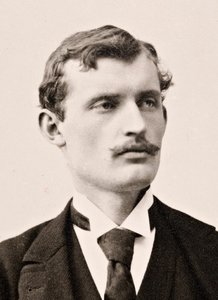
Edvard Munch
1863 - 1944 , Ruotsi
Pähkinänkuoressa
- Artistic Movement Or Style: Ilmaisullisuus
- Artists Or Movements Influenced By This Artist: ['Saksa ekspressionismi']
- Artists Who Influenced This Artist:
- Paul Gauguin
- Van Gogh
- Date Of Birth: 12. joulukuuta 1863
- Date Of Death: 23. tammikuuta 1944
- Full Name: Edvard Munch
- Nationality: Norjalainen
- Notable Artworks:
- Huuto
- Madonna
- Sairas lapsi
- Place Of Birth: Ådalsbruk, Ruotsi
Aiheeseen liittyvät artikkelit

Top 10 Ekspressionismin Mestarityötä: Taidetta ja Tunnelmaa Kotiisi
Tutustu 10 ekspressionismin mestariteokseen! Munchin Huuto, Kandinskyn värit ja Die Brücken taidemaalarit. Taidetta kotiisi – löydä inspiraatiota ja korkealaatuiset taidevedokset AllPaintingsStore.com:ista.

Romanttisen maisemamaalauksen mestariteokset: Taidetta ja inspiraatiota kotiin
Uppoudu romanttisen maisemamaalauksen maailmaan! Tutustu Caspar David Friedrichin, Turnerin ja muiden mestareiden ikonisiin teoksiin. Löydä inspiraatiota kotiisi taiteen avulla AllPaintingsStore.comista – laadukkaat taideprintit ja sisustusideoita.

Edvard Munch: Anxiety, Modernity & the Dawn of Expressionism
Explore the profound world of Edvard Munch, pioneer of Expressionism. Discover the origins of 'The Scream' & his haunting depictions of anxiety, mortality, and love. Expert analysis & high-quality reproductions at AllPaintingsStore.

Lumihuurun mestariteoksia: Top 10 kuuluisinta taidemaalausta – AllPaintingsStore.fi
Uppoudu lumihuurteen maailmaan! Tutustu 10 kuuluisimpaan taidemaalaukseen – Monet, Munch & muut mestarit. Löydä inspiraatiota sisustukseesi ja hanki korkealaatuiset taiteen toistot AllPaintingsStore.com:ista. Explore the full collection online!

Edvard Munchin 25 mestariteosta: Taidetta ja tunteita kotiisi | AllPaintingsStore
Tutustu Edvard Munchin 25 mestariteokseen ja uppoudu ekspressionismin tunteisiin. Taidehistoriaa, maalauksien tarinoita ja inspiraatiota sisustukseen AllPaintingsStoreilta. Löydä kaikki taideteokset verkossa!