


 Esikatselu
 Jaa teos
 Jaa
Jaa
 Tiedot
 Opas
Opas

 Lataa kuva
 Samanlaisia kohteita
 Röntgenkuvaus
 Diaesitys
 Kysymykset ja vastaukset
 Tilastot
Laocoön (detail)


 Lue lisää
Giclée- ja taideprintit
Museolaatuisia giclée- tai kankaitaulun tulosteita nopealla tuotannolla ja joustavilla viimeistelyvaihtoehdoilla. ( Osta käsinmaalattu taideteos Siirry digitaaliseen kuvaan)




































Valitse valmiista mitoistamme sellaiset, jotka vastaavat teoksen alkuperäisiä mittasuhteita.

Syötä tarvitsemasi leveys ja korkeus, jotta tuloste sopii kehyksiisi tai seinällesi. Tulostetta voidaan vain leikata, sitä ei voida koskaan suurentaa alkuperäistä kuvaa suuremmaksi, joten eri muotoinen koko aiheuttaa osan kuvasta katoamisen. Lähetämme sinulle digitaalisen mallikuvan hyväksyttäväksi ennen kuin aloitamme tulostuksen. Tällä sivulla näkyvä kuva ei näytä lopullista rajausta — vain mallikuva näyttää sen.
Maailmanlaajuinen toimitus () 2 viikossa tavallisen 4–5 viikon sijaan. (6 marraskuu)

Ilmainen pikatoimitus ympäri maailman

Korkealaatuinen pellavakangas

Kattava kuljetusvakuutus

Tulliveron palautustakuu

Takuu täydellisestä värien vastaavuudesta

100 päivän palautusoikeus (vain valmistusvirheet)

100% rahat takaisin -takuu

Määräalennus tarjolla
 Lasivaihtoehto on saatavilla vain alle 110 cm kokoisille teoksille

Laocoön (detail)
Giclée- ja taideprintit
Replikaatin koko
-


Kokonaishinta
€ 58
Laocoön (detail): A Study in Suffering and Divine Judgment
The artwork presents a poignant glimpse into El Greco’s masterful depiction of the biblical tale of Laocoön, capturing not merely the physical agony of the figures but also conveying a profound meditation on mortality and divine retribution. Rendered primarily in shades of grey, brown, and white—a palette characteristic of Mannerist aesthetics—the detail focuses intently on two male figures intertwined upon the ground, their postures radiating palpable distress. This deliberate monochrome enhances the dramatic tension, mirroring the solemnity of religious iconography prevalent during El Greco’s time. Beyond its visual impact lies a rich tapestry of artistic considerations. The composition employs a dynamic diagonal axis originating from the lower left corner, guiding the viewer's gaze upwards towards the upper right—a technique frequently utilized by Mannerist painters to heighten emotional intensity and create an illusion of movement within a static frame. This deliberate arrangement underscores the central theme: humanity confronted with overwhelming forces beyond comprehension. The landscape backdrop, rendered with loose brushstrokes, serves as a counterpoint to the figures’ suffering, symbolizing the enduring presence of beauty and serenity amidst inevitable decay—a motif that resonates powerfully with humanist ideals of the period. El Greco's technique is defined by oil paint applied with expressive gestural strokes, layering pigments meticulously to achieve tonal variations that imbue the scene with depth and luminosity despite its subdued color scheme. Visible brushwork contributes to a textured surface reminiscent of Byzantine art, reflecting El Greco’s formative influences. The artist skillfully captures the musculature of the figures—particularly the torso—with precise contours, emphasizing their vulnerability and highlighting the dramatic interplay between light and shadow. These contours are accentuated by subtle highlights on skin tones, furthering the impression of realism while simultaneously elevating the artwork to a level of spiritual contemplation. The sculpture Laocoön and His Sons, recently unearthed in Rome, served as inspiration for El Greco’s painting, prompting him to explore themes of human suffering and divine judgment—a preoccupation that aligns seamlessly with the broader artistic currents of his era. The intertwined figures embody struggle and despair, mirroring the biblical narrative's depiction of Laocoön’s futile resistance against Poseidon’s wrath. Furthermore, the landscape’s tranquil beauty juxtaposed against the figures’ torment symbolizes the ephemeral nature of earthly existence compared to eternal salvation—a concept central to Christian theology. Ultimately, *Laocoön (detail)* transcends mere representation; it embodies El Greco's artistic genius in conveying emotion and intellectual depth. Its enduring power lies in its ability to provoke contemplation on themes of faith, mortality, and the confrontation between human will and divine providence – qualities that continue to captivate audiences today.Kysymykset ja vastaukset
Onko teokselle El Greco:n "Laocoön (detail)" opasta?
El Greco:n "Laocoön (detail)" -teoksen Opas -sivu tarjoaa tulostettavan kahden sivun tietolomakkeen: teoksen ja sen tunnistetiedot, aikajanan, joka sijoittaa teoksen taiteilijan elinaikaan, muita taiteilijan teoksia, mitatun väripaletin sekä neljällä eri tyylillä valmiiksi muotoillut lähdeviitteet.
Kuka on teoksen "Laocoön (detail)" taiteilija ja mikä on sen tyyli?
Teoksen "Laocoön (detail)" takana ovat El Greco ja Mannerist Style-suuntaus.
Kuinka vanha El Greco oli, kun "Laocoön (detail)" luotiin?
El Greco loi teoksen "Laocoön (detail)" ollessaan 69 vuotias. Taiteilija on syntynyt vuonna 1541 ja teos on ajoitettu vuodelle 1610.
Samankaltaisia teoksia


Taiteilijan elämäkerta
Doménikos Theotokópoulos, called El Greco
Doménikos Theotokópoulos, known to the world as El Greco – “the Greek” – was a painter whose life and work defied easy categorization. Born in Crete, Greece (1541), his artistic journey took him through Venice and Rome before finding its ultimate expression in the spiritual heartland of Spain: Toledo. El Greco wasn’t merely a product of these places; he synthesized their influences into something wholly unique, a style that anticipated the emotional intensity of Expressionism and the fragmented forms of Cubism centuries later. His early training within the Byzantine tradition instilled in him a meticulous attention to detail and a profound understanding of religious iconography. This foundation, however, wouldn’t confine him. He signed his works in Greek, often appending “Krḗs” – Cretan – as a proud declaration of his origins, even as he ventured into new artistic territories. The seeds of his distinctive style were sown not just in technique but also in the fervent religious climate of his homeland and the rich tapestry of Venetian art.Early Life and Artistic Training
Doménikos Theotokópoulos was born in Fodele (modern Candia), Crete, then under Venetian rule – a location steeped in Byzantine heritage. His father, Nikolaos Zacharias Kantakopoulos, was a wealthy merchant and administrator, providing him with a privileged upbringing that fostered his intellectual curiosity and nurtured his artistic inclinations from a young age. Unlike many artists of his time who pursued formal training in Florence or Rome, El Greco’s initial education took place primarily within the Cretan Orthodox Church tradition. He studied under Zacharias Konstantinos Kontoglou, a renowned icon painter who instilled in him a deep appreciation for Byzantine iconography and compositional principles—a legacy that would profoundly shape his artistic vision. This meticulous attention to detail and unwavering devotion to religious symbolism became hallmarks of his oeuvre throughout his career.Venetian Influence: Embracing Innovation
Around 1567, El Greco embarked on a transformative journey to Venice – a city renowned for its vibrant artistic scene and the patronage of wealthy merchants and aristocrats. Immediately immersed in the milieu of Venetian masters like Titian, Tintoretto, and Veronese, he absorbed their mastery of color, composition, and dramatic lighting. He learned to loosen his brushwork, embracing the sensual qualities of oil paint and experimenting with innovative techniques that departed from traditional Byzantine conventions. This Venetian influence is vividly evident in early works such as *Saint Sebastian* (1600), where anatomical detail blends seamlessly with an almost theatrical use of light and shadow—a testament to El Greco’s willingness to push boundaries and explore new artistic horizons. The Venetian experience broadened his stylistic repertoire, preparing him for the challenges posed by the competitive Roman art world.Roman Years: Seeking Recognition Amidst Mannerism
El Greco's arrival in Rome around 1570 coincided with the ascendancy of Mannerism – a style characterized by elongated figures, distorted perspectives, and sophisticated compositions that prioritized elegance and intellectual contemplation over naturalistic representation. While he demonstrated considerable talent and garnered admiration from some influential patrons—including Cardinal Giovanni Battista Castelli—El Greco struggled to gain widespread recognition in Rome’s artistic circles. The Roman art world was dominated by established artists who adhered to classical ideals of beauty and proportion, making it difficult for El Greco's unconventional style to find acceptance among the elite aesthetes of the era. Despite these setbacks, he continued to refine his technique and explore new expressive possibilities—a characteristic that would define his artistic trajectory throughout his Roman years.Toledo: Spiritual Synthesis and Artistic Zenith
By 1577, El Greco relocated to Toledo – a city undergoing a fervent religious revival during the Counter-Reformation and home to numerous churches and monasteries eager to commission monumental artworks for devotional purposes. This move proved decisive in establishing El Greco’s artistic reputation and securing him access to influential patrons—most notably King Philip II, who recognized his singular talent and commissioned several ambitious projects that cemented his place among Spain's greatest artists. In Toledo, El Greco achieved his artistic zenith, producing masterpieces that epitomized his distinctive style—characterized by elongated figures imbued with spiritual fervor, dramatic lighting that evoked profound emotion, and vibrant colors that conveyed a sense of otherworldly beauty. His most celebrated works include *The Burial of the Count of Orgaz*, *View of Toledo*, *The Opening of the Fifth Seal*, and *Saint Sebastian*, each representing a culmination of his artistic explorations and embodying the spiritual ethos of his time. El Greco’s legacy extends far beyond his own lifetime, inspiring artists across centuries with his visionary style and unwavering devotion to religious expression—a testament to the enduring power of art to transcend temporal boundaries and communicate universal truths.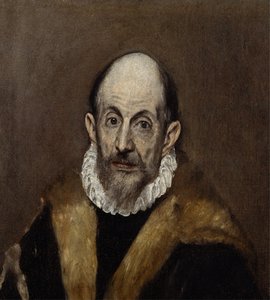
El Greco
1541 - 1614 , Kreikka
Pähkinänkuoressa
- Artistic Movement Or Style: Mannerismi ja Barroko
- Artists Or Movements Influenced By This Artist:
- Expressionismi
- Cubismi
- Artists Who Influenced This Artist:
- Titian
- Tintoretto
- Date Of Birth: 1541 Kreeta
- Date Of Death: 1614
- Full Name: Doménikos Theotokópoulos
- Nationality: Kreikkalainen
- Notable Artworks:
- Pyhä Mauricuksen marttyyrit
- Laokoön
- El Espolio
- St. Sebastian
- Place Of Birth: Kreeta, Greece
Aiheeseen liittyvät artikkelit

Northern Mannerism: The Dramatic Evolution of European Art through Elegant Distortion and Tension
Explore the dramatic evolution of Northern Mannerism. Discover how 16th-century artists moved from Renaissance harmony to elegant distortion, tension, and complex symbolism in European art history.


