


 Katso seinällä
 Lähetä
 Jaa
Jaa
 Tarkemmat tiedot
 Opas
Opas

 Lataa kuva
 Samanlaisia kohteita
 Röntgenkuvaus
 Diaesitys
 Tilastot
Pyhä Jaakob
 Akryyli kankaalle
- Seinätaide
- Myöhäisrenessanssin manierismi
 1600
1600 72.0 x 55.0 cm
 Museo del Prado
 Lue lisää
Giclée- ja taideprintit
Museolaatuisia giclée- tai kankaitaulun tulosteita nopealla tuotannolla ja joustavilla viimeistelyvaihtoehdoilla. ( Tilaa käsinmaalattu jäljennös Siirry digitaaliseen kuvaan)




P118B €10

P118H €10

P118W €10

P438Z €10

P508JH €12

P508YH €12

P805H €10

P805Z €10

P919BZ €10

P919G €10

P919XJ €10

P959ZH €10

P968JZ €12

W106C €8

W218G €10

W218JH €8

W218Y €10

W307PJ €10

W316G €10

W316PJ €8

W316Y €10

W398PJ €8

W4111J €10

W500HY €15

W500JH €15

W692G €12

W849H €8

W940BG €15

W953PJ €8




Valitse valmiista mitoistamme sellaiset, jotka vastaavat teoksen alkuperäisiä mittasuhteita.

Kirjoita tarvitsemasi leveys ja korkeus, jotta tuloste sopii kehyskokoon tai seinällesi. Tulostetta voidaan vain leikata, sitä ei voi koskaan tehdä suuremmaksi kuin alkuperäinen kuva, joten eri muotoinen koko aiheuttaa osan kuvasta katoamisen. Lähetämme sinulle digitaalisen mallikuvan hyväksyttäväksi ennen kuin aloitamme tulostuksen. Tällä sivulla näkyvä kuva ei näytä lopullista leikkausta — vain mallikuva näyttää sen.
Maailmanlaajuinen toimitus () 2 viikossa tavallisen 4–5 viikon sijaan. (25 lokakuu)

Ilmainen pikatoimitus ympäri maailman

Korkealaatuinen pellavakangas

Kattava kuljetusvakuutus

Tulliveron palautustakuu

Takuu täydellisestä värien vastaavuudesta

100 päivän palautusoikeus valmistusvirhetapauksissa

100% rahat takaisin -takuu

Määräalennus saatavilla
 Lasivaihtoehto on saatavilla vain alle 110 cm kokoisille teoksille

Pyhä Jaakob
Giclée- ja taideprintit
Replikaatin koko
-


Kokonaishinta
€ 56
Pyhä Jaakob: Uskon ruumiillistunut visio
Doménikos Theotokópoulos, maailmanlaajuisesti tunnettu nimellä El Greco – ”kreikkalainen” – erottui aikalaisekseen eivät ainoastaan maalarina, vaan taiteilijana, joka kamppaili hengellisyyden ytimen kanssa ja käänsi sen visuaaliseen muotoon. Vuonna 1541 Kreetalla venetsialaisen vallan alla syntyneen taiteilijan matka vei hänet Venetsian ja Rooman läpi ennen kuin hän asettui lopullisesti Espanjan Toledoon – kaupunkiin, joka oli täynnä uskonnollista intohimoa ja joka muovasi syvästi hänen koko tuotantoaan. El Grecon nero ei rajoittunut pelkkään tekniikan hallintaan; hän uudisti itse esittämisen perusteita ennakoimalla ekspressionismin ilmeikkäitä vääristymiä ja kubismin pirstaleisia näkökulmia vuosisatoja ennen omaa aikaansa. Nuoruuden opiskeluvuodet bysanttilaisen ikonografian parissa antoivat hänelle huolellisen silmän yksityiskohtiin ja järkähtämättömän omistautumisen uskonnollisten kertomusten välittämiseen käsinkosketeltavalla tunteella. El Greco kuitenkin kieltäytyi taipumasta perinteiden kahleisiin; hän omaksui rohkeasti tyylillisiä innovaatioita, jotka erottivat hänet vertaisistaan, ja allekirjoitti teoksensa kreikaksi – ”Krḗs” – haastavana osoituksena kreetalaisesta identiteetistään Euroopan nousevien taidesuuntausten keskellä.- Aihe: Maalaus esittää Pyhää Jaakobia, kristillisen ikonografian merkittävää hahmoa, kuvaten häntä tyynellä arvokkuudella ja mietiskelevässä asennossa.
- Tyyli: El Grecon omintakeinen manieristinen tyyli tunnetaan pitkänomaisista hahmoista – mikä on hänen taiteellisen visionsa tunnusmerkki – luoden epätodellisen ilmapiirin, joka ylittää realismin rajat. ään
- Tekniikka: Käyttäen öljyväriä kankaalle, El Greco hyödynsi lasitustekniikkaa – läpikuultavien pigmenttien kerrostamista – saavuttaakseen hehkuvia värejä ja tekstuurista syvyyttä, vangiten valon ja varjon hienovaraiset vivahteet.
Historiallinen konteksti ja taiteelliset vaikutteet
El Grecon taiteellinen tuotanto kukoisti vastauuskonpuhdistuksen aikana, jota leimasivat voimakas uskonnollisuus ja paavin asettamat määräykset katolisen dogmin vahvistamiseksi protestanttisen uskonpuhdistuksen jälkeen. Tämä konteksti ruokki hänen kiinnostustaan hengellisiin teemoihin – erityisesti pyhimysten kuvauksiin – ja ohjasi hänen tyylillisiä valintojaan. El Grecon vaikutus ulottui kuitenkin laajemmalle kuin vain välittömiin uskonnollisiin kysymyksiin. Hän ammentoi inspiraatiota bysanttilaisesta taiteesta, erityisesti sen tyylitellyistä hahmoista ja symbolisesta värien käytöstä, soveltaen näitä elementtejä luodakseen ainutlaatuisen ilmaisullisen visuaalisen kielen. Lisäksi hän omaksui vaikutteita italialaisilta renessanssitaiteilijoilta, kuten Michelangelo ja Rafael, muuttaen ne kuitenkin joksikin täysin erilaiseksi – todisteena hänen taiteellisesta itsenäisyydestään.Symboliikka ja emotionaalinen resonanssi
Maalauksen hillityt maanläheiset sävyt – pääasiassa okra ja umbra – vahvistavat sen mietiskelevää tunnelmaa heijastaen pyhimyksen sisäistä rukousmieltä. Taiteilija käyttää taitavasti chiaroscuroa – valon ja varjon dramaattista vuoropuhelua – syventääkseen emotionaalista vaikutusta, korostaen Jaakobin kasvoja ja käsiä huomion keskipisteinä. Nämä eleet välittävät nöyryyttä ja hartauden tilaa, kutsuen katsojan hengellisen pohdiskelun maailmaan. El Grecon pitkänomaiset hahmot eivät ole pelkkiä tyylillisiä keinoja; ne symboloivat transsendenssia – pyrkimystä jumalalliseen armoon maallisen olemassaolon rajojen ulkopuolelle. Maalaus puhuu uskon, tyynen mielen ja sisäisen rauhan teemoista – ominaisuuksista, jotka resonoivat voimakkaasti yleisön kanssa vielä tänäkin päivänä.Perintö jäljittelyn takana
El Grecon taiteelliset innovaatiot jatkavat inspiroimistaan taiteilijoita ja keräilijöitä yhtä lailla. Hänen hylkäämisensä perinteiselle realismille raivasi tietä ekspressionistisille tutkimusmatkoille tunteeseen ja psykologiseen syvyyteen, osoittaen hänen pysyvän merkityksensä taidehistoriassa. ”Pyhä Jaakob” -teoksen reproduktiot, joita on saatavilla osoitteessa AllPaintingsStore.com, antavat harrastajille mahdollisuuden kokea tämän mestariteoksen hehkuvan kauneuden ja syvän hengellisen viestin – ajattoman todistuksen El Grecon ainutlaatavasta visiosta.Kysymykset ja vastaukset
Onko El Greco:n "Pyhä Jaakob" tekijänoikeusvapaa?
Tekijänoikeustiedot teokselle El Greco:n "Pyhä Jaakob": teos on tekijänoikeusvapaa – sen tekijänoikeussuoja on päättynyt. Tämä määrittää, voidaanko kuvasta tehdä vapaasti jäljennöksiä.
Mikä on teoksen El Greco:n "Pyhä Jaakob" yleinen tunnelma?
Teoksen El Greco:n "Pyhä Jaakob" yleinen tunnelma on Dramaattinen. Tunnelma kuvaa teoksen yleistä ilmapiiriä.
Millaista kylläisyyttä ja intensiteettiä El Greco:n "Pyhä Jaakob" edustaa?
Teoksessa El Greco:n "Pyhä Jaakob" on Vaimea kylläisyys ja Monokromaattinen voimakkuus.


Taiteilijan elämäkerta
Doménikos Theotokópoulos, called El Greco
Doménikos Theotokópoulos, known to the world as El Greco – “the Greek” – was a painter whose life and work defied easy categorization. Born in Crete, Greece (1541), his artistic journey took him through Venice and Rome before finding its ultimate expression in the spiritual heartland of Spain: Toledo. El Greco wasn’t merely a product of these places; he synthesized their influences into something wholly unique, a style that anticipated the emotional intensity of Expressionism and the fragmented forms of Cubism centuries later. His early training within the Byzantine tradition instilled in him a meticulous attention to detail and a profound understanding of religious iconography. This foundation, however, wouldn’t confine him. He signed his works in Greek, often appending “Krḗs” – Cretan – as a proud declaration of his origins, even as he ventured into new artistic territories. The seeds of his distinctive style were sown not just in technique but also in the fervent religious climate of his homeland and the rich tapestry of Venetian art.Early Life and Artistic Training
Doménikos Theotokópoulos was born in Fodele (modern Candia), Crete, then under Venetian rule – a location steeped in Byzantine heritage. His father, Nikolaos Zacharias Kantakopoulos, was a wealthy merchant and administrator, providing him with a privileged upbringing that fostered his intellectual curiosity and nurtured his artistic inclinations from a young age. Unlike many artists of his time who pursued formal training in Florence or Rome, El Greco’s initial education took place primarily within the Cretan Orthodox Church tradition. He studied under Zacharias Konstantinos Kontoglou, a renowned icon painter who instilled in him a deep appreciation for Byzantine iconography and compositional principles—a legacy that would profoundly shape his artistic vision. This meticulous attention to detail and unwavering devotion to religious symbolism became hallmarks of his oeuvre throughout his career.Venetian Influence: Embracing Innovation
Around 1567, El Greco embarked on a transformative journey to Venice – a city renowned for its vibrant artistic scene and the patronage of wealthy merchants and aristocrats. Immediately immersed in the milieu of Venetian masters like Titian, Tintoretto, and Veronese, he absorbed their mastery of color, composition, and dramatic lighting. He learned to loosen his brushwork, embracing the sensual qualities of oil paint and experimenting with innovative techniques that departed from traditional Byzantine conventions. This Venetian influence is vividly evident in early works such as *Saint Sebastian* (1600), where anatomical detail blends seamlessly with an almost theatrical use of light and shadow—a testament to El Greco’s willingness to push boundaries and explore new artistic horizons. The Venetian experience broadened his stylistic repertoire, preparing him for the challenges posed by the competitive Roman art world.Roman Years: Seeking Recognition Amidst Mannerism
El Greco's arrival in Rome around 1570 coincided with the ascendancy of Mannerism – a style characterized by elongated figures, distorted perspectives, and sophisticated compositions that prioritized elegance and intellectual contemplation over naturalistic representation. While he demonstrated considerable talent and garnered admiration from some influential patrons—including Cardinal Giovanni Battista Castelli—El Greco struggled to gain widespread recognition in Rome’s artistic circles. The Roman art world was dominated by established artists who adhered to classical ideals of beauty and proportion, making it difficult for El Greco's unconventional style to find acceptance among the elite aesthetes of the era. Despite these setbacks, he continued to refine his technique and explore new expressive possibilities—a characteristic that would define his artistic trajectory throughout his Roman years.Toledo: Spiritual Synthesis and Artistic Zenith
By 1577, El Greco relocated to Toledo – a city undergoing a fervent religious revival during the Counter-Reformation and home to numerous churches and monasteries eager to commission monumental artworks for devotional purposes. This move proved decisive in establishing El Greco’s artistic reputation and securing him access to influential patrons—most notably King Philip II, who recognized his singular talent and commissioned several ambitious projects that cemented his place among Spain's greatest artists. In Toledo, El Greco achieved his artistic zenith, producing masterpieces that epitomized his distinctive style—characterized by elongated figures imbued with spiritual fervor, dramatic lighting that evoked profound emotion, and vibrant colors that conveyed a sense of otherworldly beauty. His most celebrated works include *The Burial of the Count of Orgaz*, *View of Toledo*, *The Opening of the Fifth Seal*, and *Saint Sebastian*, each representing a culmination of his artistic explorations and embodying the spiritual ethos of his time. El Greco’s legacy extends far beyond his own lifetime, inspiring artists across centuries with his visionary style and unwavering devotion to religious expression—a testament to the enduring power of art to transcend temporal boundaries and communicate universal truths.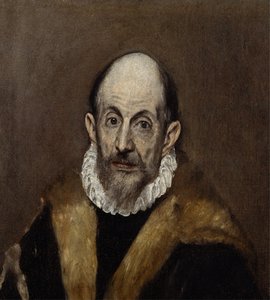
El Greco
1541 - 1614 , Kreikka
Tietoa taiteilijasta
- Artistic Movement Or Style: Mannerismi ja Barroko
- Artists Or Movements Influenced By This Artist:
- Expressionismi
- Cubismi
- Artists Who Influenced This Artist:
- Titian
- Tintoretto
- Date Of Birth: 1541 Kreeta
- Date Of Death: 1614
- Full Name: Doménikos Theotokópoulos
- Nationality: Kreikkalainen
- Notable Artworks:
- Pyhä Mauricuksen marttyyrit
- Laokoön
- El Espolio
- St. Sebastian
- Place Of Birth: Kreeta, Greece
Aiheeseen liittyvät artikkelit
El Grecon 25 mestariteosta: Taidetta, historiaa ja inspiraatiota kotiisi
Tutustu El Grecon 25 vaikuttavimpaan mestariteokseen! Uppoudu espanjalaisen renessanssin ja manierismin maailmaan. Taidehistoriaa, uskonnollisia maalauksia ja inspiraatiota kotiisi – löydä upeat taidevedokset AllPaintingsStore.comista.

The Golden Age Reforged: Dramatic Realism & Religious Zeal in Spanish Baroque Art
Explore the dramatic world of Spanish Baroque art! Discover masters like Zurbarán & the powerful influence of religious zeal on painting techniques – a guide for collectors and enthusiasts.
Hermitaasin 25 mestariteosta: Taidetta ja historiaa kotiisi – AllPaintingsStore.com
Tutustu Hermitaasin 25 upeimpaan mestariteokseen! Rembrandt, Leonardo da Vinci ja muut taiteen legendat Pietarissa. Löydä tarinat, tekniikat ja inspiraatiota kotiisi AllPaintingsStore.com:sta. Tutki kokoelma verkossa!

El Greco: Spirituality, Style & Innovation – A Renaissance Master's Legacy
Explore the captivating world of El Greco! Discover his unique style, spiritual intensity, and lasting impact on art history. Learn about this Renaissance master's life, iconic paintings & legacy.
Museo Pradon 25 mestariteosta: Taidetta, historiaa ja inspiraatiota kotiisi
Tutustu Museo Pradon 25 ikoniseen mestariteokseen! Velázquez, Goya ja El Greco – espanjalaisen taiteen huipputeoksia tarinoineen. Löydä inspiraatiota kotiisi ja tutustu laajaan valikoimaamme korkealaatuisia taideprinttejä AllPaintingsStore.comissa.


