


 Katso seinällä
 Lähetä
 Jaa
Jaa
 Tarkemmat tiedot
 Opas
Opas

 Lataa kuva
 Samanlaisia kohteita
 Röntgenkuvaus
 Diaesitys
 Tilastot
Pyhä Paavali
 Öljyväri kankaalle
- Seinätaide
- Manneristus ja Venetsiläinen vaikutus
 1610
1610- Varhaismoderni aika
 97.0 x 77.0 cm
 El Grecon Museo Toledo
 Lue lisää
Giclée- ja taideprintit
Museolaatuisia giclée- tai kankaitaulun tulosteita nopealla tuotannolla ja joustavilla viimeistelyvaihtoehdoilla. ( Tilaa käsinmaalattu jäljennös Siirry digitaaliseen kuvaan)




P118B €10

P118H €10

P118W €10

P438Z €10

P508JH €12

P508YH €12

P805H €10

P805Z €10

P919BZ €10

P919G €10

P919XJ €10

P959ZH €10

P968JZ €12

W106C €8

W218G €10

W218JH €8

W218Y €10

W307PJ €10

W316G €10

W316PJ €8

W316Y €10

W398PJ €8

W4111J €10

W500HY €15

W500JH €15

W692G €12

W849H €8

W940BG €15

W953PJ €8




Valitse valmiista mitoistamme sellaiset, jotka vastaavat teoksen alkuperäisiä mittasuhteita.

Kirjoita tarvitsemasi leveys ja korkeus, jotta tuloste sopii kehyskokoon tai seinällesi. Tulostetta voidaan vain leikata, sitä ei voi koskaan tehdä suuremmaksi kuin alkuperäinen kuva, joten eri muotoinen koko aiheuttaa osan kuvasta katoamisen. Lähetämme sinulle digitaalisen mallikuvan hyväksyttäväksi ennen kuin aloitamme tulostuksen. Tällä sivulla näkyvä kuva ei näytä lopullista leikkausta — vain mallikuva näyttää sen.
Maailmanlaajuinen toimitus () 2 viikossa tavallisen 4–5 viikon sijaan. (25 lokakuu)

Ilmainen pikatoimitus ympäri maailman

Korkealaatuinen pellavakangas

Kattava kuljetusvakuutus

Tulliveron palautustakuu

Takuu täydellisestä värien vastaavuudesta

100 päivän palautusoikeus valmistusvirhetapauksissa

100% rahat takaisin -takuu

Määräalennus saatavilla
 Lasivaihtoehto on saatavilla vain alle 110 cm kokoisille teoksille

Pyhä Paavali
Giclée- ja taideprintit
Replikaatin koko
-


Kokonaishinta
€ 56
Doménikos Theotokópoulosin (El Grecon) Sydänessä – ’Apostoli Filippos’ Maalissa
Doménikos Theotokópoulos, tunnettu nimellä El Greco – “kreikkalainen” – on yksi länsimaisten taiteiden kiinnostavimmista ja moniulotteisimmista hahmoista. Hänen elämänsä ja työnsä ovat vuosien varrella jättäneet selkeät jäljet, yhdistellen bysanttilaisen hengellisen perinteen syvään henkilökohtaiseen visioon, joka on täynnä tuskaa ja pohdintaa. ’Apostoli Filippos’, jonka El Greco maalasi noin vuonna 1610, on tästä ainutlaatuisesta lähestymistavasta loistava esimerkki – voimakas mietiskely uskon, omistautumisen ja hengellisen vastuun painosta. Tämä öljyvärimaalattu mestariteos, joka sijaitsee nykyään Toledon Museo de El Grecon galleriassa, ei ole pelkästään apostolin kuvaus; se on kutsu tutustumaan taiteilijan intensiiviseen ja tunteelliseen maailmaan.
- Dramaattinen Värien Käyttö: Maalauksen välittömän huomion herättävä elementti on sen dramaattinen värien käyttö ja venytetyt muodot, jotka ovat El Grecon tunnusomaista Manneristisen tyylin piirteitä.
- Painokas Pose: St. Philipin hahmo on maalattu voimakkaalla painolla, hänen asennossaan on sekä kunnioitusta että lähes kestämätöntä taakkaa.
- Perspektiivin Vääristely: Tarkoituksellinen perspektiivin vääristely – hahmot näyttävät nousevan hämärästä pimeydestä, vetäen katsojan mukaan pohdiskelevaan maailmaan.
Yhdistelmä Perinteitä: El Grecon Taiteellinen Perintö
El Grecon taiteellinen matka oli muokattu monimutkaisella vuorovaikutuksella vaikutteilla. Hänen aikaisempi koulutuksensa Kreetsassa altisti hänet rikkaalle bysanttilaisen ikonografian perinteille – tarkkaan huolellinen yksityiskohtien, elävien värien ja symbolisen esittämisen huomio, joka oli syvään juurtunut uskoon. Kuitenkin hänen aikansa Venetsiassa ja Rooman kaupungeissa toi hänelle Renaissance-innovoinnit, erityisesti venäläisten mestareiden, kuten Titianin ja Tintorettojen, vaikutukset, jotka käyttivät dramaattista valaistusta, dynaamisia kompositioita ja kohotettua realismia. Hän osasi yhdistää nämä vaikutteet luoden tyylin, joka on sekä vanha että hämmästyttävän moderni.
Venytetyt muodot, jotka ovat El Grecon työn tunnusmerkkiä, eivät ole pelkästään tyylillisiä valintoja; ne edustavat hengellistä kaipuuta, yritystä vangita jumalallista olemusta ihmisen muodon sisälle. Voimakkaiden pigmenttien käyttö – syvät siniset, punaiset ja kultaiset sävyt – vahvistaa tätä vaikutusta luoden visuaalisen kokemuksen, joka on sekä huomiota herättävä että tunteellisesti resonanssi.
Symbolismi ja Hengellinen Paino
’Apostoli Filippos’ on rikas symboliikan lähde. Keskeinen kuva – ristin pitäminen lujasti kädessä – ankkuroi välittömästi kohtauksen kristilliseen tarinaan. Kuitenkin El Greco ei yksinkertaisesti esitä ristin pidon toimintaa; hän vangitsee tunteen siitä, mitä risti kantamisen paino merkitsee. Apostolin alaspäin katsominen ja hieman kohottunut kulmakarva viittaavat syvään suruun, nöyryyteen ja hyväksyntään. Hän ei ole voittoisa tai sankari; hän on ihminen, joka kamppailee uskon kanssa, taakka vastuulla.
Taustan hillitty sävy luo tämän tunnelman pohdintaan. Se herättää ajatuksen ajattomasta, viittaamalla siihen, että Filippoksen kamppailu on sellainen, joka ylittää tietyn historiallis-kulttuurisen kontekstin. Pimeys hänen ympärillään symboloi tuntematonta, kristinuskon polun mukanaan tuomia haasteita ja ehkä taiteilijan omaa uskonnon ja epäilyksen kamppailua.
Perintö Kestää: El Greco Toledossa
Toledon Museo de El Grecon galleria tarjoaa kriittisen kontekstin tämän mestariteoksen ymmärtämiselle. Museossa on laaja kokoelma taiteilijan teoksista, joka tarjoaa kattavan yleiskuvan hänen taiteellisen kehityksensä kulusta. Vieraat voivat seurata hänen kehitystään varhaisista bysanttilaisista ikonografian vaikutteista aikuiseen tyyliin, jossa on dramaattisia värejä ja venytettyjä muotoja. Yli museon taideteoksia esittelee myös muita 1700-luvun espanjalaisia taiteilijoita, mikä tarjoaa arvokasta tietoa Toledon kulttuurikentästä tuona aikana.
Niille, jotka etsivät konkreettista yhteyttä tähän poikkeukselliseen taiteilijaan, AllPaintingsStore.com tarjoaa huolellisesti valmistettuja öljyvärimaalauksia ’Apostoli Filippos’ -maalauksesta. Nämä uskolliset toisinnat antavat sinulle mahdollisuuden tuoda tämän voimakkaan kuvan kotiisi tai toimistoon, muistuttaen sinua El Grecon taiteellisesta geniestä ja uskon kestävän voiman.
Kysymykset ja vastaukset
Mistä voin ostaa painoksen teoksesta El Greco:n "Pyhä Paavali"?
"Pyhä Paavali" on saatavilla muodossa taideteosvedos puuvillakangas- tai arkistoluokan kankaalle painettuna. Tilaukset tehdään sen Taidevedos -sivulla valitsemassasi koossa.
Mikä taiteilija ja mikä tyyli ovat takana teoksen "Pyhä Paavali"?
"Pyhä Paavali" on El Grecon luoma teos, joka edustaa Manneristus ja Venetsiläinen vaikutus-tyyliä. Taiteilija ja tyylisuunta määrittelevät teoksen perinteet.
Onko "Pyhä Paavali" hyvä lahjaidea?
El Greco:n "Pyhä Paavali" on suositeltava lahja kohteelle Vuosipäivä. Teoksesta voi antaa myös jäljennöksen lahjaksi.
Samankaltaisia teoksia


Taiteilijan elämäkerta
Doménikos Theotokópoulos, called El Greco
Doménikos Theotokópoulos, known to the world as El Greco – “the Greek” – was a painter whose life and work defied easy categorization. Born in Crete, Greece (1541), his artistic journey took him through Venice and Rome before finding its ultimate expression in the spiritual heartland of Spain: Toledo. El Greco wasn’t merely a product of these places; he synthesized their influences into something wholly unique, a style that anticipated the emotional intensity of Expressionism and the fragmented forms of Cubism centuries later. His early training within the Byzantine tradition instilled in him a meticulous attention to detail and a profound understanding of religious iconography. This foundation, however, wouldn’t confine him. He signed his works in Greek, often appending “Krḗs” – Cretan – as a proud declaration of his origins, even as he ventured into new artistic territories. The seeds of his distinctive style were sown not just in technique but also in the fervent religious climate of his homeland and the rich tapestry of Venetian art.Early Life and Artistic Training
Doménikos Theotokópoulos was born in Fodele (modern Candia), Crete, then under Venetian rule – a location steeped in Byzantine heritage. His father, Nikolaos Zacharias Kantakopoulos, was a wealthy merchant and administrator, providing him with a privileged upbringing that fostered his intellectual curiosity and nurtured his artistic inclinations from a young age. Unlike many artists of his time who pursued formal training in Florence or Rome, El Greco’s initial education took place primarily within the Cretan Orthodox Church tradition. He studied under Zacharias Konstantinos Kontoglou, a renowned icon painter who instilled in him a deep appreciation for Byzantine iconography and compositional principles—a legacy that would profoundly shape his artistic vision. This meticulous attention to detail and unwavering devotion to religious symbolism became hallmarks of his oeuvre throughout his career.Venetian Influence: Embracing Innovation
Around 1567, El Greco embarked on a transformative journey to Venice – a city renowned for its vibrant artistic scene and the patronage of wealthy merchants and aristocrats. Immediately immersed in the milieu of Venetian masters like Titian, Tintoretto, and Veronese, he absorbed their mastery of color, composition, and dramatic lighting. He learned to loosen his brushwork, embracing the sensual qualities of oil paint and experimenting with innovative techniques that departed from traditional Byzantine conventions. This Venetian influence is vividly evident in early works such as *Saint Sebastian* (1600), where anatomical detail blends seamlessly with an almost theatrical use of light and shadow—a testament to El Greco’s willingness to push boundaries and explore new artistic horizons. The Venetian experience broadened his stylistic repertoire, preparing him for the challenges posed by the competitive Roman art world.Roman Years: Seeking Recognition Amidst Mannerism
El Greco's arrival in Rome around 1570 coincided with the ascendancy of Mannerism – a style characterized by elongated figures, distorted perspectives, and sophisticated compositions that prioritized elegance and intellectual contemplation over naturalistic representation. While he demonstrated considerable talent and garnered admiration from some influential patrons—including Cardinal Giovanni Battista Castelli—El Greco struggled to gain widespread recognition in Rome’s artistic circles. The Roman art world was dominated by established artists who adhered to classical ideals of beauty and proportion, making it difficult for El Greco's unconventional style to find acceptance among the elite aesthetes of the era. Despite these setbacks, he continued to refine his technique and explore new expressive possibilities—a characteristic that would define his artistic trajectory throughout his Roman years.Toledo: Spiritual Synthesis and Artistic Zenith
By 1577, El Greco relocated to Toledo – a city undergoing a fervent religious revival during the Counter-Reformation and home to numerous churches and monasteries eager to commission monumental artworks for devotional purposes. This move proved decisive in establishing El Greco’s artistic reputation and securing him access to influential patrons—most notably King Philip II, who recognized his singular talent and commissioned several ambitious projects that cemented his place among Spain's greatest artists. In Toledo, El Greco achieved his artistic zenith, producing masterpieces that epitomized his distinctive style—characterized by elongated figures imbued with spiritual fervor, dramatic lighting that evoked profound emotion, and vibrant colors that conveyed a sense of otherworldly beauty. His most celebrated works include *The Burial of the Count of Orgaz*, *View of Toledo*, *The Opening of the Fifth Seal*, and *Saint Sebastian*, each representing a culmination of his artistic explorations and embodying the spiritual ethos of his time. El Greco’s legacy extends far beyond his own lifetime, inspiring artists across centuries with his visionary style and unwavering devotion to religious expression—a testament to the enduring power of art to transcend temporal boundaries and communicate universal truths.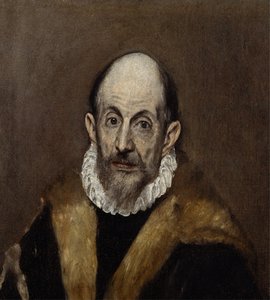
El Greco
1541 - 1614 , Kreikka
Tietoa taiteilijasta
- Artistic Movement Or Style: Mannerismi ja Barroko
- Artists Or Movements Influenced By This Artist:
- Expressionismi
- Cubismi
- Artists Who Influenced This Artist:
- Titian
- Tintoretto
- Date Of Birth: 1541 Kreeta
- Date Of Death: 1614
- Full Name: Doménikos Theotokópoulos
- Nationality: Kreikkalainen
- Notable Artworks:
- Pyhä Mauricuksen marttyyrit
- Laokoön
- El Espolio
- St. Sebastian
- Place Of Birth: Kreeta, Greece
Aiheeseen liittyvät artikkelit
El Grecon 25 mestariteosta: Taidetta, historiaa ja inspiraatiota kotiisi
Tutustu El Grecon 25 vaikuttavimpaan mestariteokseen! Uppoudu espanjalaisen renessanssin ja manierismin maailmaan. Taidehistoriaa, uskonnollisia maalauksia ja inspiraatiota kotiisi – löydä upeat taidevedokset AllPaintingsStore.comista.

Mannerism Explained: The Dramatic Evolution of Renaissance Art and the Rise of El Greco
Explore the dramatic evolution of Mannerism from High Renaissance perfection to El Greco's spiritual intensity. Discover the history, techniques, and enduring legacy of this transformative era through an expert art-history lens.
Mannerismin mestariteokset: 10 taideteosta, jotka muuttivat maailmaa – AllPaintingsStore.fi
Tutustu mannerismin 10 vaikuttavinta mestariteosta – Pontormon, Parmigianinon ja muiden taiteilijoiden ikonisia töitä. Taidehistoriaa AllPaintingsStore.fi:ssä! Löydä upeita öljyvärimaalauksia ja sisustusideoita. Tutustu kokoelmaan verkossa.

The Dramatic Dialogue: Baroque Mannerism & the Synthesis of Emotion, Form, and Artistic Rebellion
Explore the dramatic world of Baroque Mannerism! Discover its history, iconic artists like Rubens & El Greco, and lasting influence on art. Expert insights for collectors & enthusiasts at AllPaintingsStore.

El Greco: Spirituality, Style & Innovation – A Renaissance Master's Legacy
Explore the captivating world of El Greco! Discover his unique style, spiritual intensity, and lasting impact on art history. Learn about this Renaissance master's life, iconic paintings & legacy.


