


 Katso seinällä
 Lähetä
 Jaa
Jaa
 Tarkemmat tiedot
 Opas
Opas

 Lataa kuva
 Samanlaisia kohteita
 Röntgenkuvaus
 Diaesitys
 Tilastot
St. Bartholomew


 Lue lisää
Käsinmaalattu öljyvärinen jäljennös
Käsinmaalattu öljyväri kankaalle haluamassasi koossa ja kehyksissä, taiteilijoidemme valmistamana tilauksesta. ( Vaihda tulosteeseen Siirry digitaaliseen kuvaan)




P118B €10

P118H €10

P118W €10

P438Z €10

P508JH €12

P508YH €12

P805H €10

P805Z €10

P919BZ €10

P919G €10

P919XJ €10

P959ZH €10

P968JZ €12

W106C €8

W218G €10

W218JH €8

W218Y €10

W307PJ €10

W316G €10

W316PJ €8

W316Y €10

W398PJ €8

W4111J €10

W500HY €15

W500JH €15

W692G €12

W849H €8

W940BG €15

W953PJ €8




Valitse valmiista mitoistamme sellaiset, jotka vastaavat teoksen alkuperäisiä mittasuhteita.

Kirjoita tarvitsemasi leveys ja korkeus, jotta teos sopii kehyskehyksiisi tai seinällesi. Koska kyseessä on käsinmaalattu teos, taiteilija voi maalata hieman enemmän kuvan ympärille tai rajata sitä hieman, jos haluat eri muotoisen koon — valinta on sinun. Lähetämme sinulle digitaalisen mallikuvan hyväksyttäväksi ennen kuin maalaus alkaa. Tällä sivulla näkyvä kuva ei vastaa lopullista tulosta — vain mallikuva näyttää sen.
Tilauksen jälkeen AllPaintingsStore.com -tiimi lähettää asiakkaalle sähköpostitse ohjeet ja esikatselukuvan.
Maailmanlaajuinen toimitus () 3–4 viikossa tavallisen 5 viikon sijaan. (26 lokakuu). Laadusta ei tingitä.

Ilmainen pikatoimitus ympäri maailman

Korkealaatuinen pellavakangas

Kattava kuljetusvakuutus

Tulliveron palautustakuu

Takuu täydellisestä värien vastaavuudesta

100 päivän palautusoikeus valmistusvirhetapauksissa

100% rahat takaisin -takuu

Määräalennus saatavilla
 Lasivaihtoehto on saatavilla vain alle 110 cm kokoisille teoksille

St. Bartholomew
Reproduktiotapa
Replikaatin koko
-


Kokonaishinta
€ 227
A Vision of Suffering and Faith: El Greco’s St. Bartholomew
This captivating portrait by Doménikos Theotokopoulos, known as El Greco, presents a powerful depiction of Saint Bartholomew – though often misidentified as Saint Sebastian due to the implied arrow wounds. Painted during his prolific period in Toledo, Spain (likely between 1597-1600), this work exemplifies the artist’s unique and intensely spiritual style. It's a piece that resonates with both dramatic intensity and quiet contemplation.Stylistic Mastery: Mannerism & The El Greco Touch
El Greco’s distinctive approach places him firmly within the *Mannerist* tradition, yet transcends it through his deeply personal expression. The elongated figure, dramatically lit against a dark, undefined background, is characteristic of his work. He departs from Renaissance ideals of naturalism, prioritizing emotional impact and spiritual resonance over strict anatomical accuracy. The swirling drapery, rendered with loose, expressive brushstrokes, contributes to the painting’s dynamic energy. Notice how the figure seems almost ethereal, lifted out of earthly constraints. This is a hallmark of El Greco's style – a deliberate distortion of form to convey inner truth.Technique and Materials: A Baroque Precursor
Executed in oil on canvas, the painting showcases El Greco’s masterful handling of light and shadow—a technique known as *chiaroscuro*. Thick impasto creates a rich texture, particularly visible in the folds of Bartholomew's robe. This tactile quality adds depth and realism to the composition. The warm color palette – dominated by creamy whites, beiges, and browns contrasted with deep shadows – further enhances the dramatic effect. While preceding the full bloom of Baroque painting, El Greco’s use of dynamic composition and intense emotionality foreshadowed many of its key characteristics.Symbolism & Iconography: A Martyr's Story
Saint Bartholomew is traditionally identified as one of the twelve apostles, martyred for his faith – often depicted flayed alive. While El Greco doesn’t explicitly show the gruesome details, the implied arrow wounds and the chained demon at the saint’s feet allude to his suffering. The somber mood and Bartholomew's introspective gaze convey a sense of piety and spiritual fortitude in the face of adversity. The figure’s hands, clasped in prayer or resignation, emphasize his devotion. It is important to note that “El” (meaning God) was a common name for deities in ancient Semitic religions, highlighting the painting's deep roots in religious history.Historical Context: Toledo & The Spanish Golden Age
El Greco arrived in Toledo in 1577 and remained there until his death in 1614. This period coincided with the *Spanish Golden Age*, a time of immense artistic and cultural flourishing. However, El Greco’s style was not always appreciated by his contemporaries; his unconventional approach often clashed with prevailing tastes. Despite this, he garnered a devoted following and left an indelible mark on Spanish art. His work would later profoundly influence Expressionist and Cubist artists in the 20th century.Emotional Impact & Interior Design Considerations
This painting evokes a powerful sense of contemplation, suffering, and unwavering faith. It’s a piece that invites viewers to reflect on themes of mortality, spirituality, and resilience. Its dramatic composition and rich color palette make it a striking focal point for any interior. The dark background lends itself well to spaces with neutral tones, while the warm highlights can complement warmer palettes. A high-quality reproduction would be particularly effective in libraries, studies, or contemplative areas of the home. It’s a work that transcends mere decoration; it's an invitation to engage with profound human emotions and spiritual truths.Kysymykset ja vastaukset
Mitkä värit hallitsevat teosta El Greco:n "St. Bartholomew"?
"St. Bartholomew"-teokselle ominainen Earthy väripaletti saa pääroolin Phthalo Green (#2b1e1e)-värin johdolla.
Mikä tulostusasetus on suositeltava teokselle El Greco:n "St. Bartholomew"?
Koko Large, Portrait suuntaus: tämä on teokselle El Greco:n "St. Bartholomew" suositeltu tulostusasetus.
Mikä taiteilija ja mikä tyyli ovat takana teoksen "St. Bartholomew"?
El Greco loi teoksen "St. Bartholomew" Baroque-suuntauksen piirissä.
Samankaltaisia teoksia


Taiteilijan elämäkerta
Doménikos Theotokópoulos, called El Greco
Doménikos Theotokópoulos, known to the world as El Greco – “the Greek” – was a painter whose life and work defied easy categorization. Born in Crete, Greece (1541), his artistic journey took him through Venice and Rome before finding its ultimate expression in the spiritual heartland of Spain: Toledo. El Greco wasn’t merely a product of these places; he synthesized their influences into something wholly unique, a style that anticipated the emotional intensity of Expressionism and the fragmented forms of Cubism centuries later. His early training within the Byzantine tradition instilled in him a meticulous attention to detail and a profound understanding of religious iconography. This foundation, however, wouldn’t confine him. He signed his works in Greek, often appending “Krḗs” – Cretan – as a proud declaration of his origins, even as he ventured into new artistic territories. The seeds of his distinctive style were sown not just in technique but also in the fervent religious climate of his homeland and the rich tapestry of Venetian art.Early Life and Artistic Training
Doménikos Theotokópoulos was born in Fodele (modern Candia), Crete, then under Venetian rule – a location steeped in Byzantine heritage. His father, Nikolaos Zacharias Kantakopoulos, was a wealthy merchant and administrator, providing him with a privileged upbringing that fostered his intellectual curiosity and nurtured his artistic inclinations from a young age. Unlike many artists of his time who pursued formal training in Florence or Rome, El Greco’s initial education took place primarily within the Cretan Orthodox Church tradition. He studied under Zacharias Konstantinos Kontoglou, a renowned icon painter who instilled in him a deep appreciation for Byzantine iconography and compositional principles—a legacy that would profoundly shape his artistic vision. This meticulous attention to detail and unwavering devotion to religious symbolism became hallmarks of his oeuvre throughout his career.Venetian Influence: Embracing Innovation
Around 1567, El Greco embarked on a transformative journey to Venice – a city renowned for its vibrant artistic scene and the patronage of wealthy merchants and aristocrats. Immediately immersed in the milieu of Venetian masters like Titian, Tintoretto, and Veronese, he absorbed their mastery of color, composition, and dramatic lighting. He learned to loosen his brushwork, embracing the sensual qualities of oil paint and experimenting with innovative techniques that departed from traditional Byzantine conventions. This Venetian influence is vividly evident in early works such as *Saint Sebastian* (1600), where anatomical detail blends seamlessly with an almost theatrical use of light and shadow—a testament to El Greco’s willingness to push boundaries and explore new artistic horizons. The Venetian experience broadened his stylistic repertoire, preparing him for the challenges posed by the competitive Roman art world.Roman Years: Seeking Recognition Amidst Mannerism
El Greco's arrival in Rome around 1570 coincided with the ascendancy of Mannerism – a style characterized by elongated figures, distorted perspectives, and sophisticated compositions that prioritized elegance and intellectual contemplation over naturalistic representation. While he demonstrated considerable talent and garnered admiration from some influential patrons—including Cardinal Giovanni Battista Castelli—El Greco struggled to gain widespread recognition in Rome’s artistic circles. The Roman art world was dominated by established artists who adhered to classical ideals of beauty and proportion, making it difficult for El Greco's unconventional style to find acceptance among the elite aesthetes of the era. Despite these setbacks, he continued to refine his technique and explore new expressive possibilities—a characteristic that would define his artistic trajectory throughout his Roman years.Toledo: Spiritual Synthesis and Artistic Zenith
By 1577, El Greco relocated to Toledo – a city undergoing a fervent religious revival during the Counter-Reformation and home to numerous churches and monasteries eager to commission monumental artworks for devotional purposes. This move proved decisive in establishing El Greco’s artistic reputation and securing him access to influential patrons—most notably King Philip II, who recognized his singular talent and commissioned several ambitious projects that cemented his place among Spain's greatest artists. In Toledo, El Greco achieved his artistic zenith, producing masterpieces that epitomized his distinctive style—characterized by elongated figures imbued with spiritual fervor, dramatic lighting that evoked profound emotion, and vibrant colors that conveyed a sense of otherworldly beauty. His most celebrated works include *The Burial of the Count of Orgaz*, *View of Toledo*, *The Opening of the Fifth Seal*, and *Saint Sebastian*, each representing a culmination of his artistic explorations and embodying the spiritual ethos of his time. El Greco’s legacy extends far beyond his own lifetime, inspiring artists across centuries with his visionary style and unwavering devotion to religious expression—a testament to the enduring power of art to transcend temporal boundaries and communicate universal truths.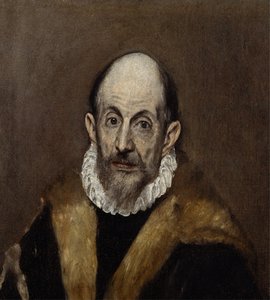
El Greco
1541 - 1614 , Kreikka
Tietoa taiteilijasta
- Artistic Movement Or Style: Mannerismi ja Barroko
- Artists Or Movements Influenced By This Artist:
- Expressionismi
- Cubismi
- Artists Who Influenced This Artist:
- Titian
- Tintoretto
- Date Of Birth: 1541 Kreeta
- Date Of Death: 1614
- Full Name: Doménikos Theotokópoulos
- Nationality: Kreikkalainen
- Notable Artworks:
- Pyhä Mauricuksen marttyyrit
- Laokoön
- El Espolio
- St. Sebastian
- Place Of Birth: Kreeta, Greece
Aiheeseen liittyvät artikkelit

Discover the Divine: Inspiring Saint Anthony Artworks to Elevate Your Home Decor
Transform your home with the profound beauty of Saint Anthony artworks. Explore exquisite Baroque reproductions by Murillo and Zurbarán, hand-painted on 100% cotton canvas to bring divine serenity and timeless elegance to your interior design.

Mannerism Unveiled: The Dramatic Evolution of Renaissance Art and the Visionary Legacy of El Greco
Explore the dramatic transition from High Renaissance harmony to Mannerist tension. Discover how masters like El Greco redefined art through distortion and spiritual intensity. An expert guide for art enthusiasts seeking deep historical context and museum-quality inspiration.

El Greco: Spirituality, Style & Innovation – A Renaissance Master's Legacy
Explore the captivating world of El Greco! Discover his unique style, spiritual intensity, and lasting impact on art history. Learn about this Renaissance master's life, iconic paintings & legacy.
El Grecon 25 mestariteosta: Taidetta, historiaa ja inspiraatiota kotiisi
Tutustu El Grecon 25 vaikuttavimpaan mestariteokseen! Uppoudu espanjalaisen renessanssin ja manierismin maailmaan. Taidehistoriaa, uskonnollisia maalauksia ja inspiraatiota kotiisi – löydä upeat taidevedokset AllPaintingsStore.comista.

Barokin mestariteokset: Taidetta ja loistoa kotiisi – AllPaintingsStore.com
Uppoudu barokin loistokkuuteen! Tutustu Caravaggion, Rembrandtin ja Vermeerin kaltaisten mestareiden tunnetuimpiin teoksiin. Taidehistoriaa kotiisi – löydä upeat taidetulosteet ja canvas-taulut AllPaintingsStore.comista.


