


 Katso seinällä
 Lähetä
 Jaa
Jaa
 Tarkemmat tiedot
 Opas
Opas

 Lataa kuva
 Samanlaisia kohteita
 Röntgenkuvaus
 Diaesitys
 Tilastot
St. Jerome Penitent
 Oil On Canvas
- WallArt
- Baroque Religious Painting
 1614
1614- Late Medieval
 166.0 x 110.0 cm
 Lue lisää
Käsinmaalattu öljyvärinen jäljennös
Käsinmaalattu öljyväri kankaalle haluamassasi koossa ja kehyksissä, taiteilijoidemme valmistamana tilauksesta. ( Vaihda tulosteeseen Siirry digitaaliseen kuvaan)




P118B €10

P118H €10

P118W €10

P438Z €10

P508JH €12

P508YH €12

P805H €10

P805Z €10

P919BZ €10

P919G €10

P919XJ €10

P959ZH €10

P968JZ €12

W106C €8

W218G €10

W218JH €8

W218Y €10

W307PJ €10

W316G €10

W316PJ €8

W316Y €10

W398PJ €8

W4111J €10

W500HY €15

W500JH €15

W692G €12

W849H €8

W940BG €15

W953PJ €8




Valitse valmiista mitoistamme sellaiset, jotka vastaavat teoksen alkuperäisiä mittasuhteita.

Kirjoita tarvitsemasi leveys ja korkeus, jotta teos sopii kehyskehyksiisi tai seinällesi. Koska kyseessä on käsinmaalattu teos, taiteilija voi maalata hieman enemmän kuvan ympärille tai rajata sitä hieman, jos haluat eri muotoisen koon — valinta on sinun. Lähetämme sinulle digitaalisen mallikuvan hyväksyttäväksi ennen kuin maalaus alkaa. Tällä sivulla näkyvä kuva ei vastaa lopullista tulosta — vain mallikuva näyttää sen.
Tilauksen jälkeen AllPaintingsStore.com -tiimi lähettää asiakkaalle sähköpostitse ohjeet ja esikatselukuvan.
Maailmanlaajuinen toimitus () 3–4 viikossa tavallisen 5 viikon sijaan. (24 lokakuu). Laadusta ei tingitä.

Ilmainen pikatoimitus ympäri maailman

Korkealaatuinen pellavakangas

Kattava kuljetusvakuutus

Tulliveron palautustakuu

Takuu täydellisestä värien vastaavuudesta

100 päivän palautusoikeus valmistusvirhetapauksissa

100% rahat takaisin -takuu

Määräalennus saatavilla
 Lasivaihtoehto on saatavilla vain alle 110 cm kokoisille teoksille

St. Jerome Penitent
Reproduktiotapa
Replikaatin koko
-


Kokonaishinta
€ 227
A Portrait of Spiritual Anguish: El Greco’s *St. Jerome Penitent*
El Greco's St. Jerome Penitent, painted in 1614, is not merely a depiction of a biblical figure; it’s a raw and profoundly moving exploration of human suffering and the agonizing process of repentance. Measuring 166 x 110 cm, this work immediately commands attention with its dramatic composition and the palpable sense of torment emanating from the central figure. The painting captures St. Jerome in the throes of his self-imposed penance, a scene deeply rooted in Christian tradition – Jerome’s decades spent in solitary confinement on the desolate mountaintop of Patmos, wrestling with demons and seeking forgiveness for his past sins.
- The Figure of Lamentation: The artist masterfully conveys Jerome's anguish through a series of powerful gestures. His head is bowed, hands clasped in a gesture of despair, and body slumped forward, suggesting both physical exhaustion and the weight of spiritual burden.
- A Cave of Solitude: The setting – a stark cave illuminated by an unseen light source – amplifies the sense of isolation and introspection. Caves have long been associated with contemplation, repentance, and communion with the divine in Western art, adding another layer to the painting’s symbolic weight.
- The Presence of Witnesses: Noticeably present are other figures within the cave, including one standing behind Jerome and two further back. These aren't simply bystanders; they represent the community witnessing his suffering, perhaps symbolizing the Church observing a saint's devotion or the judgment of God.
El Greco’s Unique Vision: Style and Technique
Painted by Doménikos Theotokópoulos – El Greco – during a period of intense artistic experimentation, St. Jerome Penitent exemplifies the artist’s distinctive style. Born in Crete in 1541, El Greco developed a highly personal approach to painting, influenced by Byzantine iconographic traditions but ultimately forging his own path. His elongated figures, dramatic use of color – particularly deep reds and blues – and emotionally charged compositions were revolutionary for their time. El Greco’s technique is characterized by broad, expressive brushstrokes and a deliberate lack of detail, prioritizing emotional impact over realistic representation. This approach anticipates the Expressionist movement centuries later, demonstrating El Greco's prescience.
- Color Palette: The dominant use of deep reds and blues evokes feelings of sorrow, repentance, and spiritual intensity.
- Compositional Drama: The diagonal lines created by Jerome’s posture and the cave walls contribute to a sense of dynamism and instability, reflecting the turmoil within the saint's soul.
- Brushwork: El Greco’s signature loose, expressive brushstrokes imbue the painting with a palpable energy and heighten its emotional impact.
Historical Context and Symbolism
The painting was created in Toledo, Spain, during a period of significant religious fervor and artistic innovation. Toledo, a city steeped in history and divided between Christian, Jewish, and Muslim communities, served as a fertile ground for El Greco’s creative explorations. The image reflects the Counter-Reformation's emphasis on personal piety and devotion, encouraging viewers to contemplate their own sins and seek redemption. Jerome’s story is one of profound humility and unwavering faith – a potent reminder of humanity’s need for divine grace. The act of penance itself carries immense symbolic weight, representing not just physical suffering but also the purification of the soul.
Emotional Resonance and Artistic Value
St. Jerome Penitent transcends its religious subject matter to offer a timeless meditation on human vulnerability and spiritual struggle. El Greco’s ability to capture such raw emotion through his masterful technique makes this painting a profoundly moving work of art. A hand-painted reproduction offers an unparalleled opportunity to experience the power and beauty of this iconic image in your own space, bringing a touch of dramatic intensity and contemplative spirit to any interior design.
Kysymykset ja vastaukset
Onko El Greco teos "St. Jerome Penitent" tekijänoikeudeltaan vapaa (public domain), ja miksi?
El Greco:n "St. Jerome Penitent" on tekijänoikeusvapaa – sen tekijänoikeussuoja on päättynyt. Tekijänoikeuden voimassaolo lasketaan taiteilijan kuolinvuodesta, joka oli 1614.
Millaista tunnelmaa "St. Jerome Penitent" toisi tilaan?
El Greco:n "St. Jerome Penitent" -teoksessa on Dramatic tunnelma, ja se sopii erinomaisesti Living Room-tilaan. Tunnelmalla tarkoitetaan sitä, minkä fiiliksen teos tuo ympäröivään tilaan.
Kuinka vanha El Greco oli tehdessään "St. Jerome Penitent"?
El Greco loi teoksen "St. Jerome Penitent" ollessaan 73 vuotias. Taiteilija on syntynyt vuonna 1541 ja teos on ajoitettu vuodelle 1614.
Samankaltaisia teoksia


Taiteilijan elämäkerta
Doménikos Theotokópoulos, called El Greco
Doménikos Theotokópoulos, known to the world as El Greco – “the Greek” – was a painter whose life and work defied easy categorization. Born in Crete, Greece (1541), his artistic journey took him through Venice and Rome before finding its ultimate expression in the spiritual heartland of Spain: Toledo. El Greco wasn’t merely a product of these places; he synthesized their influences into something wholly unique, a style that anticipated the emotional intensity of Expressionism and the fragmented forms of Cubism centuries later. His early training within the Byzantine tradition instilled in him a meticulous attention to detail and a profound understanding of religious iconography. This foundation, however, wouldn’t confine him. He signed his works in Greek, often appending “Krḗs” – Cretan – as a proud declaration of his origins, even as he ventured into new artistic territories. The seeds of his distinctive style were sown not just in technique but also in the fervent religious climate of his homeland and the rich tapestry of Venetian art.Early Life and Artistic Training
Doménikos Theotokópoulos was born in Fodele (modern Candia), Crete, then under Venetian rule – a location steeped in Byzantine heritage. His father, Nikolaos Zacharias Kantakopoulos, was a wealthy merchant and administrator, providing him with a privileged upbringing that fostered his intellectual curiosity and nurtured his artistic inclinations from a young age. Unlike many artists of his time who pursued formal training in Florence or Rome, El Greco’s initial education took place primarily within the Cretan Orthodox Church tradition. He studied under Zacharias Konstantinos Kontoglou, a renowned icon painter who instilled in him a deep appreciation for Byzantine iconography and compositional principles—a legacy that would profoundly shape his artistic vision. This meticulous attention to detail and unwavering devotion to religious symbolism became hallmarks of his oeuvre throughout his career.Venetian Influence: Embracing Innovation
Around 1567, El Greco embarked on a transformative journey to Venice – a city renowned for its vibrant artistic scene and the patronage of wealthy merchants and aristocrats. Immediately immersed in the milieu of Venetian masters like Titian, Tintoretto, and Veronese, he absorbed their mastery of color, composition, and dramatic lighting. He learned to loosen his brushwork, embracing the sensual qualities of oil paint and experimenting with innovative techniques that departed from traditional Byzantine conventions. This Venetian influence is vividly evident in early works such as *Saint Sebastian* (1600), where anatomical detail blends seamlessly with an almost theatrical use of light and shadow—a testament to El Greco’s willingness to push boundaries and explore new artistic horizons. The Venetian experience broadened his stylistic repertoire, preparing him for the challenges posed by the competitive Roman art world.Roman Years: Seeking Recognition Amidst Mannerism
El Greco's arrival in Rome around 1570 coincided with the ascendancy of Mannerism – a style characterized by elongated figures, distorted perspectives, and sophisticated compositions that prioritized elegance and intellectual contemplation over naturalistic representation. While he demonstrated considerable talent and garnered admiration from some influential patrons—including Cardinal Giovanni Battista Castelli—El Greco struggled to gain widespread recognition in Rome’s artistic circles. The Roman art world was dominated by established artists who adhered to classical ideals of beauty and proportion, making it difficult for El Greco's unconventional style to find acceptance among the elite aesthetes of the era. Despite these setbacks, he continued to refine his technique and explore new expressive possibilities—a characteristic that would define his artistic trajectory throughout his Roman years.Toledo: Spiritual Synthesis and Artistic Zenith
By 1577, El Greco relocated to Toledo – a city undergoing a fervent religious revival during the Counter-Reformation and home to numerous churches and monasteries eager to commission monumental artworks for devotional purposes. This move proved decisive in establishing El Greco’s artistic reputation and securing him access to influential patrons—most notably King Philip II, who recognized his singular talent and commissioned several ambitious projects that cemented his place among Spain's greatest artists. In Toledo, El Greco achieved his artistic zenith, producing masterpieces that epitomized his distinctive style—characterized by elongated figures imbued with spiritual fervor, dramatic lighting that evoked profound emotion, and vibrant colors that conveyed a sense of otherworldly beauty. His most celebrated works include *The Burial of the Count of Orgaz*, *View of Toledo*, *The Opening of the Fifth Seal*, and *Saint Sebastian*, each representing a culmination of his artistic explorations and embodying the spiritual ethos of his time. El Greco’s legacy extends far beyond his own lifetime, inspiring artists across centuries with his visionary style and unwavering devotion to religious expression—a testament to the enduring power of art to transcend temporal boundaries and communicate universal truths.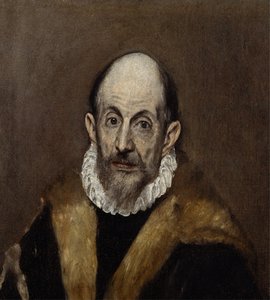
El Greco
1541 - 1614 , Kreikka
Tietoa taiteilijasta
- Artistic Movement Or Style: Mannerismi ja Barroko
- Artists Or Movements Influenced By This Artist:
- Expressionismi
- Cubismi
- Artists Who Influenced This Artist:
- Titian
- Tintoretto
- Date Of Birth: 1541 Kreeta
- Date Of Death: 1614
- Full Name: Doménikos Theotokópoulos
- Nationality: Kreikkalainen
- Notable Artworks:
- Pyhä Mauricuksen marttyyrit
- Laokoön
- El Espolio
- St. Sebastian
- Place Of Birth: Kreeta, Greece
Aiheeseen liittyvät artikkelit

AllPaintingsStore.com F.A.Q.: Elevate Your Decor with Premium Textured Giclée Prints
Discover the distinction of AllPaintingsStore.com premium textured Giclée prints. Expertly crafted with archival 12-color pigments and museum-grade substrates, our prints offer unparalleled vividness for the discerning collector seeking luxury, durability, and timeless elegance.


