


 Katso seinällä
 Lähetä
 Jaa
Jaa
 Tarkemmat tiedot
 Opas
Opas

 Lataa kuva
 Samanlaisia kohteita
 Röntgenkuvaus
 Diaesitys
 Tilastot
Coffee Table


 Lue lisää
Giclée- ja taideprintit
Museolaatuisia giclée- tai kankaitaulun tulosteita nopealla tuotannolla ja joustavilla viimeistelyvaihtoehdoilla. ( Tilaa käsinmaalattu jäljennös Siirry digitaaliseen kuvaan)




P118B €10

P118H €10

P118W €10

P438Z €10

P508JH €12

P508YH €12

P805H €10

P805Z €10

P919BZ €10

P919G €10

P919XJ €10

P959ZH €10

P968JZ €12

W106C €8

W218G €10

W218JH €8

W218Y €10

W307PJ €10

W316G €10

W316PJ €8

W316Y €10

W398PJ €8

W4111J €10

W500HY €15

W500JH €15

W692G €12

W849H €8

W940BG €15

W953PJ €8




Valitse valmiista mitoistamme sellaiset, jotka vastaavat teoksen alkuperäisiä mittasuhteita.

Kirjoita tarvitsemasi leveys ja korkeus, jotta tuloste sopii kehyskokoon tai seinällesi. Tulostetta voidaan vain leikata, sitä ei voi koskaan tehdä suuremmaksi kuin alkuperäinen kuva, joten eri muotoinen koko aiheuttaa osan kuvasta katoamisen. Lähetämme sinulle digitaalisen mallikuvan hyväksyttäväksi ennen kuin aloitamme tulostuksen. Tällä sivulla näkyvä kuva ei näytä lopullista leikkausta — vain mallikuva näyttää sen.
Maailmanlaajuinen toimitus () 2 viikossa tavallisen 4–5 viikon sijaan. (24 lokakuu)

Ilmainen pikatoimitus ympäri maailman

Korkealaatuinen pellavakangas

Kattava kuljetusvakuutus

Tulliveron palautustakuu

Takuu täydellisestä värien vastaavuudesta

100 päivän palautusoikeus valmistusvirhetapauksissa

100% rahat takaisin -takuu

Määräalennus saatavilla
 Lasivaihtoehto on saatavilla vain alle 110 cm kokoisille teoksille

Coffee Table
Giclée- ja taideprintit
Replikaatin koko
-


Kokonaishinta
€ 56
A Moment Frozen in Expressionist Color
Ernst Ludwig Kirchner’s “Coffee Table” is far more than a mere depiction of an interior scene; it is a distilled essence of the anxieties and profound complexities inherent in German Expressionism. Painted circa 1923, during a pivotal period when Kirchner had relocated to Davos alongside his wife, Erna Schilling, the artwork captures a snapshot of daily life infused with deep psychological resonance. The painting invites us into a modest restaurant setting, where a dining table is occupied by six individuals—including the artist himself and his wife—whose identities remain deliberately obscured. This ambiguity fosters a sense of quiet contemplation, allowing the viewer to peer into the unspoken dialogues and inner lives of these figures as they exist within a shared, yet deeply personal, moment.
The composition unfolds with a meticulous eye for detail that balances domestic intimacy with artistic tension. One can almost feel the weight of the atmosphere through the rendering of cups brimming with drink, plates laden with food, and cutlery arranged with purposeful precision. Yet, Kirchner’s true focus lies not in these tangible objects, but in the human presence itself. The figures are positioned in close proximity, their arrangement conveying a sense of closeness that is simultaneously interrupted by an underlying tension. This duality makes the piece particularly captivating for collectors who appreciate art that offers both aesthetic beauty and intellectual depth.
The Vibrancy of Technique and Style
Kirchner’s signature Expressionist style dominates every inch of the canvas, creating a textured surface that seems to vibrate with its own internal energy. His use of bold, rhythmic brushstrokes is characteristic of the movement, rejecting the polished perfection of academic idealism in favor of a raw, emotive truth. The color palette is masterfully balanced; while it favors earthy, grounded tones, these are punctuated by sudden, brilliant splashes of vibrant reds and yellows. This deliberate use of color mirrors the emotional intensity of the scene, transforming a simple meal into a luminous event that commands attention.
For interior designers and lovers of fine art, the technical brilliance of this piece offers incredible versatility. The painting’s ability to harmonize muted, sophisticated tones with energetic highlights allows it to serve as a powerful focal point in a variety of modern settings. Whether placed in a minimalist gallery-style room or a more textured, eclectic space, a high-quality reproduction of “Coffee Table” brings a sense of historical gravity and artistic vitality to any wall.
Historical Resonance and Symbolic Depth
To understand the emotional impact of this work, one must look toward the historical context of post-World War I Germany. The era was defined by a pervasive sense of disillusionment and a search for meaning amidst reconstruction. Kirchner and his contemporaries sought to confront uncomfortable truths about the human experience, using art as a vessel for expressing inner turmoil. Within this piece, the inclusion of a carved bench frame bearing a figural relief of a mother and child serves as a poignant symbol of maternal care and stability amidst the pervasive anxieties of the time. This motif aligns perfectly with the broader Expressionist exploration of familial bonds and the vulnerability of life.
Ultimately, “Coffee Table” is an invitation to join the conversation. It captures a moment of intimate familiarity and serene tranquility that, despite its underlying tension, remains profoundly inviting. For those seeking to adorn their homes with a piece that speaks of history, emotion, and the enduring beauty of the human spirit, this masterpiece stands as a timeless choice. Owning a reproduction of such a significant work allows one to bring a fragment of the German Expressionist soul into the contemporary living space, fostering an environment of constant inspiration and reflection.
Kysymykset ja vastaukset
Ovatko "Coffee Table" värit voimakkaita vai pehmeitä?
Teoksen Ernst Ludwig Kirchner:n "Coffee Table" värit ovat Vivid voimakkuudeltaan.
Onko teos "Coffee Table" yleisvaikutelmaltaan enemmän vaalea vai tumma?
Teoksen Ernst Ludwig Kirchner:n "Coffee Table" mitatut arvot ovat: kirkkaus bright, luminanssi Gentle Luminance.
Millaista kylläisyyttä ja intensiteettiä Ernst Ludwig Kirchner:n "Coffee Table" edustaa?
Teoksen Ernst Ludwig Kirchner:n "Coffee Table" värit ilmentävät Balanced Soft kylläisyyttä ja Vivid voimakkuutta.
Samankaltaisia teoksia


Taiteilijan elämäkerta
A Life Forged in Expression: The World of Ernst Ludwig Kirchner
Ernst Ludwig Kirchner, nimi joka on synnyttynyt voimakkaasta tunteiden ja sielun syvyyksistä, syntyi maailmaan, joka oli juuri siirtymässä dramaattisiin muutoksiin. Hänen olemassaolonsa alkaminen Aschaffenburgissa, Baijerissa, vuonna 1880, merkitsi elämän alkua, joka oli tiiviisti sidottu taiteelliseen innovointiin ja henkilökohtaiseen myrkyllisyydelle. Hänen lapsuusympäristönsä muuttuvat maisemat – määrätyt hänen isänsä ammatin mukaisesti – sisälsivät hänessään paikkaantumisen tunteen, joka myöhemmin heijastui hänen taiteeseensa. Frankfurtista Perlen kautta ja lopulta asettuessaan Chemnitziin, nuori Kirchner imi nopeasti modernisoitavan Saksan kasvavia huolia. Vaikka hänet oli aluksi ohjattu arkkitehtuurin pariin Königlichen Technischen Hochschule Dresdenissä, se oli taiteen vetovoima, vahvistettuna mestareiden kuten Albrecht Dürerin ihailun ja akateemisen konventioon vastustamisen kautta, joka lopulta määritti hänen polkunsa. Hän löysi yhteyttä samanhenkisiin kapinattareihin – Fritz Bleyliin, Karl Schmidt-Rottluffiin ja Erich Heckeliin, luoden siteitä, jotka muuttivat peruuttamattomasti 2000-luvun taiteen kulkua.The Bridge Between Worlds: Die Brücke and Artistic Revolution
Vuonna 1905 Kirchnerista tuli *Die Brücken* (“The Bridge”) -taidekollektiivin perustajajäsen, joka oli omistettu silmänramaiden avaamiseen perinteisen estetiikan ja voimakkaamman, tunteellisesti latautuneen taidemuodon välillä. Tämä ei ollut pelkästään tyylivalinta; se oli filosofinen asenne. Ryhmä pyrki löytämään inspiraatiota usein huomiotta jätetyistä lähteistä – primitivistista taiteesta Afrikasta ja Oseaniasta, Vincent van Goghin rohkeista väreistä ja Edvard Munchin hahmoissa piilevän psykologisen syvyyden. He hylkasivat akatemian suosiman ihanteellisten kauneuden esittämisen, sen sijaan he omaksuivat vääristelyjä, häiritseviä väripaletteja ja tunteellisesti latautunutta sivellinmaalausta välittääkseen modernin elämän ahdinkoa ja eristyneisyyttä. Kirchnerin varhaiset teokset, syntyneet tämän yhteistyöhengen pohjalta, pulsoivat levottomuudella, heijastaen ryhmän jakamat pyrkimykset vapautua taiteellisista rajoituksista. Ateljeeesta tuli kokeilupaikka, tila jossa sosiaaliset normit haastettiin yhdessä taiteellisten konventioiden kanssa. Ihmiskuvan tutkiminen, erityisesti naispuolisen ruumiin esittäminen sekä kaupunki- että luonnonympäristöissä, muuttui toistuvaksi teemaksi, mahdollistuen Kirchnerille tutkimaan liikettä, tunteita ja modernin elämän monimutkaisuuksia.Urban Anxieties and Bold Visions: Defining a Style
Kirchnerin taiteellinen tyyli on heti tunnistettavissa sen ainutlaatuisilla piirteillä. Hän ei käyttänyt värejä uskottavan esityksen välineenä, vaan työkaluna tunteiden herättämiseen – voimakkaita, usein epätodellisia sävyjä, jotka korostivat ahdistuksen tai intensiteetin tunnetta teoksissaan. Hänen siveltimensä olivat energisiä ja näkyviä, mikä edesauttoi kokonaisvaltaisen välittömän ja tunteellisen vaikutelman luomista. Figuurit ja esineet vääristyivät usein tai pidensivät, heijastaen subjektiivista eikä objektiivista todellisuutta. Erityisesti Kirchner vangitsi modernin kaupunkiympäristön psykologisen vaikutuksen teoksiensa kautta. Teokset kuten *The Street* (1908) eivät ole vain kaupunkimaisemien kuvauksia; ne ovat ihmisten eristyneisyyden portretteja, jotka vangitsevat nopeasti muuttavan maailman kaoottista energiaa ja tunteellista irtautumista. Hän ei vastannut väheksyvästi modernin elämän synkempiä puolia – yksinäisyyttä, anonyymiä olemassaoloa ja sitä, kuinka suuri kaupunkien mittakaava uhkaa ihmisen kokemusta. Tämä epäröimätön katse asetti hänet aikansa kronikkaan, taiteilijaksi, joka uskalsi kohdata yhteiskunnan edistyksen piileviä huolia.Tragedy and Legacy: A Lasting Impact
Kirchnerin elämä oli surullisesti merkitty henkilökohtaisten kamppailujen kautta. Ensimmäisen maailmansodan kauhut laukaisivat vakavan psyykkisen romahduksen, joka pakotti hänet vetäytymään Sveitsiin etsien lohtua. Kuitenkin jopa eksilössä hän jatkoi luomista, hänen taiteensa heijasti jäljellä olevaa traumoja ja eristyneisyyttä, joita hän koki. Nazisminsa nousu toi mukanaan uusia vaikeuksia; yli 600 teoksiaan takavarikoitiin ja merkittiin "degeneroituneeksi" taiteeksi – tuhoisa isku, joka korosti poliittisen ilmapiirin vihamielisyyttä modernia taidetta kohtaan. Hänet syrjäytettiin Berliinin taideakatemian jäsenyydestä vuonna 1938 ja hän menetti työpaikkansa. Surullisesti Kirchner otti oman elämänsä pääteeksi Davosissa, Sveitsissä, vuonna 1938. Vaikka tämä surullinen loppu olisi ollutkin, Ernst Ludwig Kirchnerin perintö on edelleen voimakkaasti vaikuttava. Hän seisoo keskeisenä saksalaisessa ekspressionismissa, inspiroiden sukupolvia taiteilijoita rohkealla tyylillään, tunteellisesti resonanssisilla esityksillään modernista elämästä ja sitoutumisellaan taiteelliseen totuuteen. Hänen teoksiaan esitellään edelleen suurissa museoissa ympäri maailmaa, toimien voimakkaana muistuttajana taiteen kyvystä kohdata, haastaa ja lopulta valaista ihmiskunnan olemassaoloa.- Influenced By: Albrecht Dürer, Vincent van Gogh, Edvard Munch, Primitive Art (African & Oceanic)
- Influenced: Kirchnerin työ vaikutti voimakkaasti myöhempiä ekspressionistisia ja moderneja taiteilijoita. Hänen ihmisen kuvan tutkimuksensa, erityisesti tunteiden ilmaisun ja innovatiivisen värien ja muodon käytön kautta inspiroi nykytaidetta.
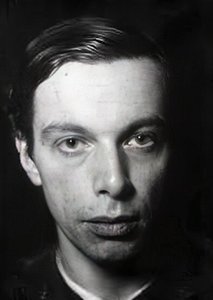
Ernst Ludwig Kirchner
1880 - 1938 , Saksa
Tietoa taiteilijasta
- Artistic Movement Or Style: Suom.)
- Artists Or Movements Influenced By This Artist:
- Die Brücke
- Expressionismi
- Artists Who Influenced This Artist:
- Dürer
- Van Gogh
- Munch
- Date Of Birth: 6. toukokuuta 1880
- Date Of Death: 15. kesäkuuta 1938
- Full Name: Ernst Ludwig Kirchner
- Nationality: Saksalainen
- Notable Artworks:
- Katu (1908)
- Nainen tanssii (1912)
- Itsenäinen mies (1914)
- Place Of Birth: Aschaffenburg, Saksa
Aiheeseen liittyvät artikkelit

Earthy Tone Art Collections: Premium Earth-Toned Reproductions for Professional Interiors
Elevate hospitality interiors with premium earth-toned art collections. AllPaintingsStore offers high-volume, hand-painted oil reproductions, custom sizing, and multi-panel layouts designed for professional procurement and seamless large-scale hotel decor projects.


