Taiteilijan elämäkerta
Vanhan Pariisin kronikoija: Eugène Atgetin elämä ja perintö
Jean-Eugène-Auguste Atget syntyi vuonna 1857 Libournen rauhallisessa kaupungissa Ranskassa, ja valokuvaaja, josta tulisi "vanhan Pariisin" synonyymi, aloitti elämänsä menetyksen varjossa. Menetettyään molemmat vanhempansa jo seitsemänvuotiaana, nuori Eugène kasvoi äitinsä vanhempien hoidossa Bordeaux'ssa. Tämä varhainen kokemus juurettomuudesta ja kenties alkava katoavaisuuden tunne saattoivat hienovaraisesti ohjata hänen myöhempää taiteellista intohimoaan – pakkomielteistä tarvetta dokumentoida maailmaa, jonka hän tunsi lipuvan pois. Hänen alkuperäiset pyrkimyksensä olivat kaukana valokuvauksesta; Atget tavoitteli näyttelijänuraa ja opiskeli draamakoulussa, mutta pakollinen asepalvelus keskeytti polkunsa. Myöhempi yritys urata teatterin maailmaan kiertävän ryhmän mukana päättyi äänihäiriöihin, mikä pakotti hänet harkitsemaan suuntaansa uudelleen. Noin vuonna 1887, näiden varhaisten vastoinkäymisten jälkeen, hän kääntyi nousevan valokuvataiteen puoleen ja alkoi tuottaa kuvia myytäväksi taiteilijoille ja käsityöläisille – miellyttäviä maisemia ja kohtauksia, jotka oli tarkoitettu viiteaineistoksi.
Systemaattinen visio: katoavan Pariisin dokumentointi
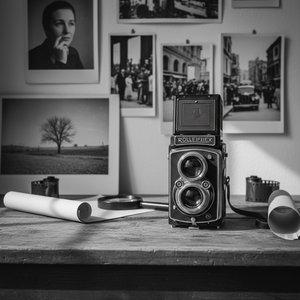
Merkittävä käänne tapahtui noin vuonna ään 1897, mikä merkitsi Atgetin ainutlaatuisen elämäntyön todellista alkua. Hän aloitti "vanhan Pariisin" systemaattisen dokumentoinnin, projektin, joka kulutti häntä lähes kolme vuosikymmentä. Kyseessä ei ollut pelkkä kuvauksellinen turismi, vaan lähes antropologinen hanke, jota ajoi halu säilyttää nopeasti modernisoituvan kaupungin fyysinen olemus. Varustettuna suureen formattiin tarkoitetulla puisen kennon kameralla ja käyttäen lasilevyjä (18x24cm), Atget tallensi huolellisesti kapeat kujat, muinaiset sisäpihat, upeat palatsit ja vilkkaan kataelämän, jotka määrittivät Pariisin historiallisen sydämen. Hän ei ollut kiinnostunut taiteellisesta koristelusta tai dramaattisesta sommittelusta; hänen lähestymistapansa oli pohjimmiltaan dokumentaarinen, pyrkimys objektiiviseen esitystapaan. Vuodesta 1906 alkaen tämä omistautuminen toi hänelle tilauksia instituutioilta, kuten Musée Carnavalet ja Bibliothèque Historique de la Ville de Paris, vahvistaen hänen roolinsa Pariisin historian virallisena kronikoijana. Hän kuvasi eivät ainoastaan suuria monumentteja, vaan myös arkisia yksityiskohtia – näyteikkunoita, katukauppiaita, rättikokoajia ja jopa prostituoituja – luoden kattavan muotokuvan kaupunkielämästä kaikessa sen monimutkaisuudessa.
Ainutlaatuinen estetiikka: tunnelma ja ajan kuluminen
Atgetin valokuvilla on omintakeinen estetiikka, joka syntyi yhtä lailla teknisestä välttämättömyydestä kuin taiteellisesta tarkoituksesta. Hänen laitteistonsa vaatimat pitkät valotusajat johtivat usein harsomaiseen laatuun, joka sumentoi liikettä ja loi eteerisen tunnelman. Tämä ei ollut virhe, vaan pikemminkin määrittelevä ominaisuus, joka antoi hänen kuvilleen ajattomuuden ja melankolian tuntua. Hän tallensi usein kohtauksia, joissa ihmisiä oli vähän, tai hahmot näyttivät aavemaisilta pitkien valotusaikojen vuoksi, korostaen tilaa ja tunnelmaa terävän yksityiskohtaisuuden sijaan. Hänen sommittelunsa tunnetaan usein harkitusta dramaattisen keskipisteen puutteesta; sen sijaan hän esittää laajan näkymän, joka kutsuu katsojan vaeltamaan kohtauksen läpi ja imemään itseensä sen ilmapiiriä. Tämä lähestymistapa ei tavoitellut ohikiitävää hetkeä, vaan pikemminkin paikan pysyvää läsnäoloa – Pariisin kivissä ja kaduissa lepäävää historian painoa. Hän ei pyrkinyt tulkitsemaan, vaan tallentamaan.
Viivästynyt tunnustus ja kestävä vaikutus
Huolimatta omistautumisestaan ja työnsä valtavasta määrästä – arviolta 8 500 negatiivia – Atget sai elinaikanaan hämmästyttävän vähän tunnustusta. Vain harva nuori taiteilija tunnisti hänen lähestymistapansa nerokkuuden. Hänen perintönsä alkoi avautua vasta kuoleman jälkeen vuonna 1927, pitkälti yhdysvaltalaisen valokuvaaja Berenice Abbottin ponnistelujen ansiosta. Tunnistaessaan työnsä merkityksen, Abbott hankki Atgetin arkiston ja edisti hänen valokuviaan väsymättömästi näyttelyiden ja julkaisujen kautta. Myöhemmin hän lahjoitti merkittävän osan kokoelmastaan Museum of Modern Art (MoMA) -museoon vuonna 1968, varmistaen sen säilyvyyden ja saavutettavuuden tuleville sukupolville. Atgetin kuvat resonoivat syvästi surrealistien kanssa, jotka arvostivat niiden kutsuvaa tunnelmaa, mystisyyttä ja kykyä paljastaa arjen piilotettu runous. Nykyään Eugène Atgetia juhlitaan dokumentaarisen valokuvauksen uranuurtajana, Pariisin historian elintärkeänä kronikoijana ja inspiraationa valokuvaajille ympäri maailmaa. Hänen työnsä tarjoaa edelleen korvaamatonta tietoa 1800-luvun lopun ja 1900-luvun alun Pariisin kaupunkimaisemasta ja sosiaalisesta elämästä – todistuksena kärsivällisen havainnoinnin voimasta ja muutosvaiheessa olevan kaupungin ikuisesta kauneudesta.


 Lue lisää


 Vaihda tulosteeseen


 Teoksille tai reproduktioille, joiden mikä tahansa sivu on suurempi kuin 105 cm (noin 41 tuumaa), kehys toimitetaan osina purettuna sarjana. Tämä menetelmä varmistaa turvallisen toimituksen ja ehkäisee vaurioita kuljetuksen aikana.