


 Esikatselu
 Jaa teos
 Jaa
Jaa
 Tiedot
 Opas
Opas

 Lataa kuva
 Samanlaisia kohteita
 Röntgenkuvaus
 Diaesitys
 Tilastot
Still Life


 Lue lisää
Giclée- ja taideprintit
Museolaatuisia giclée- tai kankaitaulun tulosteita nopealla tuotannolla ja joustavilla viimeistelyvaihtoehdoilla. ( Osta käsinmaalattu taideteos Siirry digitaaliseen kuvaan)




P118B €10

P118H €10

P118W €10

P438Z €10

P508JH €12

P508YH €12

P805H €10

P805Z €10

P919BZ €10

P919G €10

P919XJ €10

P959ZH €10

P968JZ €12

W106C €8

W218G €10

W218JH €8

W218Y €10

W307PJ €10

W316G €10

W316PJ €8

W316Y €10

W398PJ €8

W4111J €10

W500HY €15

W500JH €15

W692G €12

W849H €8

W940BG €15

W953PJ €8




Valitse valmiista mitoistamme sellaiset, jotka vastaavat teoksen alkuperäisiä mittasuhteita.

Syötä tarvitsemasi leveys ja korkeus, jotta tuloste sopii kehyksiisi tai seinällesi. Tulostetta voidaan vain leikata, sitä ei voida koskaan suurentaa alkuperäistä kuvaa suuremmaksi, joten eri muotoinen koko aiheuttaa osan kuvasta katoamisen. Lähetämme sinulle digitaalisen mallikuvan hyväksyttäväksi ennen kuin aloitamme tulostuksen. Tällä sivulla näkyvä kuva ei näytä lopullista rajausta — vain mallikuva näyttää sen.
Maailmanlaajuinen toimitus () 2 viikossa tavallisen 4–5 viikon sijaan. (28 lokakuu)

Ilmainen pikatoimitus ympäri maailman

Korkealaatuinen pellavakangas

Kattava kuljetusvakuutus

Tulliveron palautustakuu

Takuu täydellisestä värien vastaavuudesta

100 päivän palautusoikeus (vain valmistusvirheet)

100% rahat takaisin -takuu

Määräalennus tarjolla
 Lasivaihtoehto on saatavilla vain alle 110 cm kokoisille teoksille

Still Life
Giclée- ja taideprintit
Replikaatin koko
-


Kokonaishinta
€ 56
A Moment Frozen in Time: Ferdinand Guillaimin’s “Still Life”
Ferdinand Guillaimin's "Still Life," painted in 1872, isn’t merely a depiction of objects arranged on a table; it’s a carefully constructed tableau brimming with quiet observation and subtle symbolism. This work, rendered in the heart of the Impressionist movement, captures a fleeting moment of domestic tranquility – a scene both familiar and imbued with an understated elegance. The painting immediately draws the eye to the central arrangement: a vase overflowing with vibrant red and yellow flowers, their petals seemingly caught mid-bloom, radiating warmth against the cooler tones that dominate the rest of the composition. Beside them rests a worn book, its pages hinting at untold stories and intellectual pursuits, while a simple bowl holds what appears to be fruit – perhaps apples or pears – adding another layer of earthly abundance.
Guillaimin’s technique is distinctly Impressionistic, prioritizing capturing the *impression* of light and color rather than precise detail. Loose brushstrokes dance across the canvas, creating an atmospheric haze that softens the edges of each object. He masterfully employs broken color – applying small dabs of paint side-by-side to build up hues and create a shimmering effect, particularly noticeable in the reflections on the table’s surface. The dark background serves not as mere backdrop but as a crucial element, intensifying the luminosity of the floral arrangement and lending the scene a sense of intimacy and depth. The artist's focus is less on photographic realism and more on conveying the *feeling* of being present within this quiet space.
The Context of Parisian Impressionism
To fully appreciate “Still Life,” it’s essential to understand the artistic climate in which Guillaimin was working. The 1870s were a period of profound change and experimentation for French art, marked by the rise of Impressionism. Artists like Monet, Renoir, and Pissarro sought to break free from the rigid conventions of academic painting, embracing plein air (outdoor) painting and capturing the ephemeral qualities of light and atmosphere. Guillaimin’s work reflects this spirit of innovation, moving away from traditional subject matter and exploring new ways of representing the world around him.
Guillaimin's connection to Pissarro is particularly noteworthy. The artist spent a significant period painting alongside Pissarro in Pontoise, a suburb of Paris, where he found inspiration in the everyday life of the region. This proximity fostered a collaborative environment, allowing Guillaimin to refine his style and develop his unique approach to capturing light and color. The Impressionists were not simply interested in depicting what they *saw*; they were driven by a desire to express their subjective experience of the world.
Symbolism and the Language of Objects
Beyond its aesthetic qualities, “Still Life” is rich with symbolic meaning. The flowers themselves represent beauty, fragility, and the fleeting nature of life – themes frequently explored in Impressionist art. The book suggests knowledge, contemplation, and a connection to the past. The bowl of fruit symbolizes abundance, nourishment, and the pleasures of earthly existence. Even the dark background can be interpreted as representing mortality or the unknown.
Guillaimin’s use of these objects is deliberate and carefully considered, inviting the viewer to engage in a process of interpretation. He doesn't offer explicit explanations; instead, he presents a series of interconnected symbols that resonate with universal themes of beauty, life, and death. The arrangement feels deliberately balanced, creating a harmonious composition that evokes a sense of peace and serenity.
A Legacy of Delicate Beauty
Ferdinand Guillaimin’s “Still Life” stands as a testament to the power of observation and the enduring appeal of simple subjects rendered with exquisite sensitivity. It's a painting that rewards close attention, revealing layers of meaning and emotional depth with each viewing. Reproductions capture much of the original atmosphere, but nothing quite replicates the subtle nuances of light and color that define Guillaimin’s masterful technique.
Today, this work is celebrated for its evocative beauty and its contribution to the development of Impressionism. It remains a poignant reminder of the quiet moments of everyday life – a timeless meditation on beauty, mortality, and the enduring power of art.
Kysymykset ja vastaukset
Sallitaanko Ferdinand Guillaumin:n "Still Life" -teoksen tekijänoikeuksien perusteella sen jäljentäminen?
Ferdinand Guillaumin:n "Still Life", joka on Musée d'Orsay kokoelmissa, on vapaasti käytettävissä – tekijänoikeussuoja on päättynyt. Tämä tila määrittää, voidaanko kuvasta tehdä jäljennöksiä.
Minkälaisen tunnelman Ferdinand Guillaumin:n "Still Life" välittää?
"Still Life" välittää Reflective tunnelman. Emotionaalinen sävy kuvaa teoksen antamaa vaikutelmaa.
Missä teosta Ferdinand Guillaumin:n "Still Life" voidaan tällä hetkellä nähdä?
Alkuperäinen Ferdinand Guillaumin:n "Still Life" on osa Musée d'Orsay, Paris, France-museon kokoelmaa. Reproduktio mahdollistaa teoksen näyttämisen kotona.
Samankaltaisia teoksia


Taiteilijan elämäkerta
Early Life and Artistic Beginnings
Jean-Baptiste Armand Guillaumin, tunnetusti myös Armandina, syntyi Pariisissa vuonna 1841. Hänen varhaiset elämänsä olivat täynnä taiteellista intohimoa ja luovuutta, mikä jo nuoresta iästä lähtien näkyi hänen teoksissaan. Guillauminin perhe ei ollut taiteilijaperhe, mutta hänen isänsä oli valokuvamestari, mikä saattoi olla vaikuttanut siihen, että nuori Jean-Baptiste kiinnostui valaistuksesta ja varjoista jo varhain. Hän opiskeli aluksi akatemiassa, mutta hylkäsi perinteisen koulutuksen nopeasti, koska hän ei pitänyt siitä. Sen sijaan hän suuntautui tutkimaan Pariisin taidemaailmaa ja oppimaan suoraan kokeneemmilta taiteilijoilta. Guillauminin varhainen tyyli oli vaikutteita sekä realismista että romantismista, mutta jo heti alussa näkyi hänen pyrkimyksensä vangita hetkellisiä valon ja varjon leikkiä luonnossa.Impressionismin Nousu ja Guillauminin Osallistuminen
1860-luvulla Pariisi oli taiteellisen muutoksen keskipiste, kun impressionismi alkoi nousta esiin. Impressionistit pyrkivät kuvaamaan maailmaa sellaisena kuin he sen kokivat – hetkellisesti, valon ja värin avulla. Guillaumin oli yksi tämän liikkeen varhaisimmista ja intohimoisimmista puolestapuhujista. Hän liittyi impressionisteihin ja osallistui heidän näyttelyihinsä, joissa hän esitti teoksiaan, jotka olivat täynnä kirkkaita värejä, löyhästi siveltettyä pintaa ja luonnon heijastuksia. Hänen maalauksensa eivät pyrkineet tarkkaan jäljittelemään todellisuutta, vaan pikemminkin välittämään tunteen ja tunnelman. Guillauminin teoksissa näkyi vahva kiinnostus maisemaan, erityisesti Ranskan rannikkokaupunkeihin ja vihreisiin metsäalueisiin.Symbolismi ja Mystinen Ilmapiiri
Vaikka Guillaumin oli vahvasti sidottu impressionismiin, hänen teoksissaan näkyi myös symbolistisen taiteen vaikutteita. Hän oli kiinnostunut unien, mysteerin ja ihmismielen syvemmistä kerroksista. Hänen maalauksensa täyttyivät usein epätavallisilla hahmoilla, surrealistisilla ympäristöillä ja symbolisilla elementeillä. Guillauminin käyttämä voimakas väripaletti ja tunteellisesti latautuneet aiheet lisäsivät teoksiensa mystistä tunnelmaa. Hän pyrki luomaan maalauksistaan kokonaisuuksia, jotka herättävät katsojassa vahvoja tunteita ja ajatuksia. Hänen teoksissaan oli usein havaittavissa vaikutteita myös japanilaisesta taiteesta, erityisesti ukiō-painoksista, joista hän oli saanut inspiraation värien käyttöön ja maisemien kuvaamiseen.Merkittäviä Teoksia ja Yhteistyöt
Guillauminin tuotannossa on useita merkittäviä teoksia, jotka ovat edelleen suosittuja taidekriitikoiden ja yleisön keskuudessa. Hänen "Garden in Janville in June" -maalauksensa on yksi hänen tunnetuimmista teoksistaan, jossa hän onnistuneesti vanginnut heinäkuun auringonvalon ja kasvien elävän värimaailman. Myös "River Scene" ja "View of Puy de Dôme" ovat esimerkkejä hänen maisemamaalauksistaan, joissa hän onnistuu luomaan tunteen rauhasta ja harmoniasta. Guillaumin teki yhteistyötä myös muiden impressionistien kanssa, kuten Claude Moneten ja Camille Pissarron, ja osallistui heidän näyttelyihinsä. Hänen työnsä oli merkittävä osa impressionismin kehitystä ja vaikutti suuresti siihen, miten taiteilijat alkoivat tarkastella valoa ja väriä luonnossa.Perintö ja Muistaminen
Ferdinand Guillaumin kuoli vuonna 1927, mutta hänen teoksensa ovat edelleen esillä museoissa ympäri maailmaa. Hänen maalauksiaan arvostetaan niiden ainutlaatuisen tunnelman, voimakkaan väripaletin ja symbolisen merkityksen vuoksi. Hän oli yksi impressionismin varhaisimmista ja intohimoisimmista puolestapuhujista, ja hänen työnsä on edelleen inspiraation lähde taiteilijoille ympäri maailmaa. Hänen teoksiaan voi ihailla esimerkiksi Mont Holyoke College Art Museumissa Yhdysvalloissa sekä monissa muissa merkittävissä museoissa.
Ferdinand Guillaumin
1841 - 1927 , Ranska
Pähkinänkuoressa
- Artistic Movement Or Style: impressionismi
- Artists Or Movements Influenced By This Artist:
- Louvre Museum
- Musée d’Orsay
- Artists Who Influenced This Artist:
- Vincent van Gogh
- Claude Monet
- Paul Cézanne
- Date Of Birth: 16. helmikuuta 1841
- Date Of Death: 26. kesäkuuta 1927
- Full Name: Jean Baptiste Armand Guillaumin
- Nationality: ranskalainen
- Notable Artworks:
- Puutarha Janvillessa
- Joen maisema
- Dômes näkymä
- Place Of Birth: Pariisi, Ranska
Aiheeseen liittyvät artikkelit

Blossoms of Time: A Historical Journey Through Flower Painting
Explore the captivating history of flower painting! Discover Dutch masters, symbolic meanings, & botanical art. Expert insights & high-quality reproductions at AllPaintingsStore.

Blossoming Symbolism: A Historical Journey Through Flowers in Western Painting
Explore the rich history of flower symbolism in Western painting! Discover how artists from the Renaissance to Modernism used blossoms to convey meaning, emotion & beauty. Learn about iconic artworks and movements.

Top 10 Impressionismin Mestarityötä – Taidetta Kotiisi AllPaintingsStoreilta
Uppoudu impressionismin maailmaan! Tutustu 10 ikoniseen mestariteokseen Monet'sta Renoiriin. Taidetta kotiisi – löydä upeat taideprintit ja öljyvärimaalaukset AllPaintingsStoreilta. Explore the full collection online!

Silent Narratives: Exploring the Enduring Appeal of Still Life Painting Across Centuries
Explore the rich history of still life painting with AllPaintingsStore. Discover Dutch Masters, decode vanitas symbolism & learn about collecting timeless art. Expert insights and museum-quality reproductions.
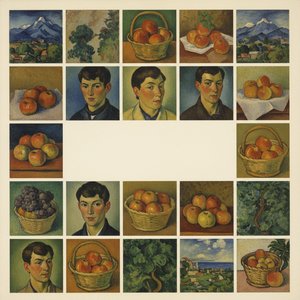
Paul Cézannen 25 mestariteosta: Taidetta kotiisi – AllPaintingsStore.com
Tutustu Paul Cézannen 25 vaikuttavinta mestariteosta! Postimpressionismin huipputeoksia, still life -maalauksia ja ikonisia maisemia. Löydä taiteen tarinat ja inspiroi kotisi sisustusta AllPaintingsStore.com:ssa. Tutki kokoelma verkossa!

