Rahat takaisin -takuu · 100 päivää Ilmainen toimitus ympäri maailman
449 582teokset 30 618taiteilijat 4 705museot 32kielet
Valuutta
    Kieli
      Ateljee · Perustettu 2015 · Pariisi, Ranska
      AllPaintingsStore
      allpaintingsstore.com
      Katso seinällä Esikatsele AR-tilassa Vaihda tulosteeseen Siirry digitaaliseen kuvaan Lähetä
      Tarkemmat tiedot Opas Lisää suosikkeihin Lataa kuva Samanlaisia kohteita Röntgenkuvaus Diaesitys Tilastot

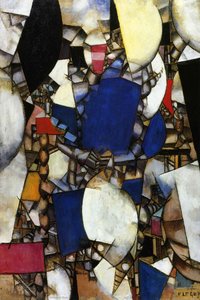
      The Baluster

      Fernand Léger's 'The Baluster' (1925) is a seminal Cubist painting featuring bold geometric forms, vibrant colors, and a dynamic composition—a masterpiece of modern art.

      Fernand Léger (1881-1955) oli ranskalainen modernismin pioneeri, tunnettu tubistisesta tyylistään ja koneiden ihantelemisesta taiteessa. Tutustu rohkeisiin maalauksiin!

      Käsinmaalattu öljyvärinen jäljennös

      Käsinmaalattu öljyväri kankaalle haluamassasi koossa ja kehyksissä, taiteilijoidemme valmistamana tilauksesta. ( Vaihda tulosteeseen Siirry digitaaliseen kuvaan)

      Corner sample of the P118B picture frame: moulded polystyrene, 5 cm wide and 3 cm thick
      P118B 10
      Corner sample of the P118H picture frame: moulded polystyrene, 5 cm wide and 3 cm thick
      P118H 10
      Corner sample of the P118W picture frame: moulded polystyrene, 5 cm wide and 3 cm thick
      P118W 10
      Corner sample of the P438Z picture frame: moulded polystyrene, 5.5 cm wide and 3.5 cm thick
      P438Z 10
      Corner sample of the P508JH picture frame: moulded polystyrene, 7 cm wide and 3.5 cm thick
      P508JH 12
      Corner sample of the P508YH picture frame: moulded polystyrene, 7 cm wide and 3.5 cm thick
      P508YH 12
      Corner sample of the P805H picture frame: moulded polystyrene, 5 cm wide and 3.5 cm thick
      P805H 10
      Corner sample of the P805Z picture frame: moulded polystyrene, 5 cm wide and 3.5 cm thick
      P805Z 10
      Corner sample of the P919BZ picture frame: moulded polystyrene, 7 cm wide and 3.5 cm thick
      P919BZ 10
      Corner sample of the P919G picture frame: moulded polystyrene, 7 cm wide and 3.5 cm thick
      P919G 10
      Corner sample of the P919XJ picture frame: moulded polystyrene, 7 cm wide and 3.5 cm thick
      P919XJ 10
      Corner sample of the P959ZH picture frame: moulded polystyrene, 5 cm wide and 3 cm thick
      P959ZH 10
      Corner sample of the P968JZ picture frame: moulded polystyrene, 6 cm wide and 4 cm thick
      P968JZ 12
      Corner sample of the W106C picture frame: solid wood, 5 cm wide and 3 cm thick
      W106C 8
      Corner sample of the W218G picture frame: solid wood, 5 cm wide and 3 cm thick
      W218G 10
      Corner sample of the W218JH picture frame: solid wood, 5 cm wide and 3 cm thick
      W218JH 8
      Corner sample of the W218Y picture frame: solid wood, 5 cm wide and 3 cm thick
      W218Y 10
      Corner sample of the W307PJ picture frame: solid wood, 6 cm wide and 3 cm thick
      W307PJ 10
      Corner sample of the W316G picture frame: solid wood, 6 cm wide and 3 cm thick
      W316G 10
      Corner sample of the W316PJ picture frame: solid wood, 6 cm wide and 3 cm thick
      W316PJ 8
      Corner sample of the W316Y picture frame: solid wood, 6 cm wide and 3 cm thick
      W316Y 10
      Corner sample of the W398PJ picture frame: solid wood, 5 cm wide and 3 cm thick
      W398PJ 8
      Corner sample of the W4111J picture frame: solid wood, 6.5 cm wide and 3.5 cm thick
      W4111J 10
      Corner sample of the W500HY picture frame: solid wood, 7 cm wide and 5 cm thick
      W500HY 15
      Corner sample of the W500JH picture frame: solid wood, 7 cm wide and 5 cm thick
      W500JH 15
      Corner sample of the W692G picture frame: solid wood, 8 cm wide and 4 cm thick
      W692G 12
      Corner sample of the W849H picture frame: solid wood, 5 cm wide and 3 cm thick
      W849H 8
      Corner sample of the W940BG picture frame: solid wood, 7.5 cm wide and 4.5 cm thick
      W940BG 15
      Corner sample of the W953PJ picture frame: solid wood, 6 cm wide and 3.5 cm thick
      W953PJ 8

      Vakiokoko
      mittatilaustyö
      CM
      INCH

      Valitse valmiista mitoistamme sellaiset, jotka vastaavat teoksen alkuperäisiä mittasuhteita.

      leveys
      korkeus

      Voit syöttää omat mitat sopimaan tiettyyn kehykseen tai tilaan. Jos valitsemasi koko ei vastaa alkuperäisen kuvan mittasuhteita, rajaamme taideteoksen tai jatkamme maalausta käsin maalatuilla elementeillä. Digitaalinen esikatselu lähetetään hyväksyttäväksi ennen tuotannon aloittamista.
      Huomioithan, että näytöllä oleva esikatselu ei vastaa todellista rajausta tai jatkamista. Vain digitaalinen mallikuva näyttää lopullisen sommittelun tarkasti.
      Vaikka mittatilaustyöt ovat mahdollisia, suosittelemme valitsemaan mitan ennalta määritetystä listasta alkuperäisten mittasuhteiden säilyttämiseksi.

      Esimerkkejä muokattavista asioista: Vaihda kasvot asiakkaan omaan valokuvaan; Lisää lemmikki (esim. korvaa kissa koiralla); Lisää taustalle piilotettu viesti; Muuta taustan maisemaa tai elementtejä.
      Tilauksen jälkeen AllPaintingsStore.com -tiimi lähettää asiakkaalle sähköpostitse ohjeet ja esikatselukuvan.

      Maailmanlaajuinen toimitus () 3–4 viikossa tavallisen 5 viikon sijaan. (7 lokakuu). Laadusta ei tingitä.

      Ilmainen pikatoimitus ympäri maailman
      Korkealaatuinen pellavakangas
      Kattava kuljetusvakuutus
      Tulliveron palautustakuu
      Takuu täydellisestä värien vastaavuudesta
      100 päivän palautusoikeus valmistusvirhetapauksissa
      100% rahat takaisin -takuu
      Määräalennus saatavilla

      Kokonaishinta

      € 222

      The Baluster

      Reproduktiotapa

      Replikaatin koko

      -

      Kokonaishinta

      € 222

      Pikaista tietoa

      • Location: MoMA, NYC
      • Movement: Cubism
      • Year: 1925
      • Notable elements: Geometric shapes
      • Medium: Oil on canvas
      • Influences:
        • Picasso
        • Braque
      • Dimensions: 51 x 38 1/4"

      Taidevisakysely

      Jokaisessa kysymyksessä on vain yksi oikea vastaus.

      Kysymys 1:
      What artistic movement is most closely associated with Fernand Léger’s ‘The Baluster’?
      Kysymys 2:
      In ‘The Baluster’, what is the primary color of the background?
      Kysymys 3:
      Which of the following best describes Fernand Léger’s approach to Cubism?
      Kysymys 4:
      The title ‘The Baluster’ refers specifically to:
      Kysymys 5:
      Fernand Léger was born in which city?

      Fernand Léger’s “The Baluster”: A Mechanical Dance of Form and Color

      Fernand Léger's "The Baluster," painted in 1925, isn’t merely a depiction of an architectural element; it’s a vibrant manifesto of Cubism’s embrace of the modern world. This oil on canvas, currently residing within the esteemed collection of the Museum of Modern Art (MoMA) in New York City, pulsates with a dynamic energy born from the artist's unique synthesis of geometric abstraction and a fascination with industrial forms. Léger, a pivotal figure in the early 20th century’s artistic revolution, sought to translate the rhythms of the machine age – its angularity, its repetitive patterns, its sense of relentless motion – into a visual language that was both intellectually stimulating and emotionally resonant.

      The painting immediately commands attention with its bold palette. A dominant blue background provides a striking contrast to the fiery reds, yellows, and oranges that dominate the central composition. This interplay of cool and warm tones isn’t simply decorative; it establishes a visual tension, mirroring the inherent dynamism within the artwork itself. Léger masterfully employs simplified geometric shapes – interlocking circles, rectangles, and stylized cylinders – to construct the balustrade, the very subject of the piece. These forms aren't rendered with meticulous detail but rather are presented in a deliberately abstracted manner, emphasizing their essential qualities over realistic representation.

      The Roots of Cubism: Fragmentation and Multiple Perspectives

      “The Baluster” firmly situates itself within the broader context of Cubism, a movement pioneered by Pablo Picasso and Georges Braque. Unlike earlier representational art that prioritized illusionistic depth and perspective, Cubism sought to dismantle traditional notions of space and representation. Léger’s approach, often referred to as “Tubism,” further developed this concept by reducing objects to their fundamental geometric components – cylinders, cones, and spheres – and presenting them from multiple viewpoints simultaneously. This fragmentation creates a sense of disorientation and invites the viewer to actively engage with the artwork, piecing together its meaning through observation.

      The influence of Futurism is also palpable in Léger’s work. Like the Italian Futurist movement, which celebrated speed, technology, and dynamism, Léger sought to capture the essence of modern life – particularly the impact of industrialization on human experience. The painting's angular forms and sense of movement evoke the imagery of factories, trains, and other symbols of the machine age. However, unlike the often-aggressive aesthetic of Futurism, Léger’s approach is more restrained and contemplative, suggesting a nuanced understanding of both the promise and the potential anxieties associated with modernity.

      Decoding the Symbolism: The Balustrade as Focal Point

      The title itself – “The Baluster” – immediately draws our attention to the central element of the composition. Léger doesn’t simply depict a balustrade; he elevates it to a symbolic representation of stability, structure, and order within an increasingly chaotic world. The balustrade, traditionally associated with safety and protection, becomes a visual anchor amidst the swirling forms and vibrant colors. It represents a point of reference, a grounding element that provides a sense of equilibrium in the midst of dynamic energy.

      Interestingly, Léger’s choice to depict a balustrade – a relatively mundane architectural feature – is itself significant. By focusing on an everyday object, he invites us to reconsider our perceptions of beauty and value. The painting suggests that even the most ordinary elements of our environment can be transformed into works of art through careful observation and creative interpretation.

      A Legacy of Modernism: Léger’s Enduring Influence

      “The Baluster” stands as a testament to Fernand Léger's innovative spirit and his profound impact on the development of modern art. His bold use of color, simplified forms, and exploration of industrial themes paved the way for subsequent generations of artists, including Pop Art pioneers like Andy Warhol. The painting’s enduring appeal lies in its ability to capture the energy and dynamism of the 20th century while simultaneously inviting viewers to contemplate the fundamental questions about perception, representation, and the relationship between art and life.

      Reproductions of “The Baluster” continue to be highly sought after by collectors and interior designers alike. Its vibrant colors and dynamic composition make it a striking addition to any space, while its historical significance offers a glimpse into the artistic currents that shaped the modern world. A piece like this speaks volumes about the artist's vision and his place in art history.

      Kysymykset ja vastaukset

      Kuka on teoksen "The Baluster" taiteilija?

      Teoksen "The Baluster" taiteilija on Fernand Léger. Teos on luetteloitu Fernand Léger nimellä.
      Mikä on teoksen Fernand Léger:n "The Baluster" tekniikka ja valmistumisvuosi?

      Teoksen Fernand Léger:n "The Baluster" tekniikka on Acrylic On Canvas, ja se on valmistettu vuonna 1925.

      Mikä painokoko on suositeltava teokselle Fernand Léger:n "The Baluster"?

      Fernand Léger:n "The Baluster"-teokselle suositellaan Medium kokoista jäljennöstä. Kokoa voidaan muuttaa säilyttäen alkuperäiset kuvasuhteet.

      Mikä on teoksen Fernand Léger:n "The Baluster" valmistumisvuosi?

      "The Baluster" on peräisin vuodelta 1925. Teos sijoittuu Fernand Léger uran ja aikakauden kontekstiin.

      Kuinka harmonisia ovat teoksen Fernand Léger:n "The Baluster" värit?

      Teoksen Fernand Léger:n "The Baluster" värit ilmentävät Balanced Harmony harmoniaa. Harmonia kuvaa sitä, miten värit suhteutuvat toisiinsa.

      Mistä "The Baluster" on valmistettu?

      Teoksen Fernand Léger:n "The Baluster" tekniikka on Acrylic On Canvas. Vedosten tavoitteena on jäljitellä tämän tekniikan ulkoasua.

      Kuinka vanha Fernand Léger oli tehdessään "The Baluster"?

      Fernand Léger loi teoksen "The Baluster" ollessaan 44 vuotias. Taiteilija on syntynyt vuonna 1881 ja teos on ajoitettu vuodelle 1925.


      Taiteilijan elämäkerta

      Fernand Léger: Muodon Voima – Modernismin Ennakointija

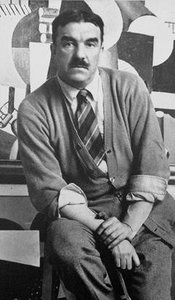
      Fernand Léger, syntynyt Joseph Fernand Henri Léger vuonna 1881 Argentanissa, Normandian maaseudulla, on modernin taiteen keskeinen hahmo. Hänen matkansa maanviljelijän pojalta Pariisin avantgarde-piireihin ja lopulta maailmanlaajuiseksi taiteilijaksi on testamentti vakaalle taiteelliselle visiokselle ja uskolle koneellisen aikakauden henkeen. Toisin kuin monet hänen aikansa kollegansa, jotka käänsivät abstraktioita pakokeinoksi konkreettisuudesta, Léger pyrki *integroimaan* moderniutta – sen dynaamisuuden, mekanistiset muodot ja olemuksen – uuteen visuaaliseen kieleen, joka oli sekä voimakkaasti abstrakti että syvällä havaittavassa maailmassa. Varhainen elämänsä, juurtunut maataloustyön fyysiseen kokemukseen, tarjosi vastapainon teollisen tulevaisuuden innostukselle. Alun perin suunniteltuna arkkitehdiksi, Légerin polku muuttui maalariksi saavuttaessaan Pariisin vuonna 1900, elättäen itseään piirtämistehtävissä samalla kun hän hio mukailua taideteoksiaan. Tämä aika oli merkitty perinteiseen akateemiseen koulutukseen, mutta todellinen muutos alkoi vasta Paul Cézannen uraauurtavan työn kohtaamisen vuonna 1907.

      Tubismin Synty ja Section d’Or

      Cézannen retrospektiivi vuonna 1907 toimi katalyyttinä, joka vapautti Légerin perinteisestä esityksestä ja kannusti häntä kohti geometrisempää ja rakenteellisempaa lähestymistapaa. Hän alkoi hajottaa muotoja, analysoida niiden pohjimmaisia rakenteita ja rakentaa niitä uudelleen kankaalle panimalla uutta painoarvoa tiiviyteen ja tilavuuteen. Tämä tutkimus johti nopeasti Cubismin piiriin, mutta Léger ei ollut tyytyväinen vain toistamaan Picasso’n tai Braquen tyylejä. Sen sijaan hän kehitti oman ainutlaatuisen idiominsa – henkilökohtaisen muodon Cubismille, jota kriitikot leikkimielisesti kutsuivat ”Tubismiksi”. Tubismiin kuului sylinterimäisiä muotoja, tasoittuneita levyjä ja rohkeita värivalintoja, juhlisti koneellista estetiikkaa jo ennen kuin se oli laajalti hyväksytty. Se oli taidetta, joka syntyi havainnoinnista teollisen maailman vilinää ja rytmejä, tunnustaen kauneutta sen toiminnallisissa muodoissa ja mekaanisissa liikkeissä. Tämä aika näki Légerin aktiivisesti osallistumisen avantgarde-piiriin, yhdistyessä Jean Metzingeriin, Henri Le Fauconnieriin, Francis Picabia ja Marcel Duchampiin Puteaux Groupin, eli Section d’Orin, sisälle. Ryhmä tutki matemaattisia periaatteita harmoniaan ja suhteeseen, pyrkien antamaan taiteelleen järjen ja järjestyksen tunnetta. Heidän yhteiset tutkimuksensa repivät taiteen rajat auki ja asettivat pohjan abstraktin taiteen tuleville kehityksille.

      Sota, Mekanisaatio ja Uusi Estetiikka

      Ensimmäisen maailmansodan puhkeaminen vaikutti syvästi Légerin elämään ja hänen teoksiinsa. Palvelus hänen rintamalla vuosina 1914–1916 altisti hänet modernin sodan julmille realiteeteille – tykistötulen, ilma-hyökkäysten ja koneellisen konfliktin dehumanisoivien vaikutusten edessä. Tämä kokemus ei johtanut epätoivoon tai moderniuden hylkäämiseen; pikemminkin se vahvisti hänen kiinnostustaan koneisiin ja niiden voimaan. Piirustukset, jotka hän teki palveluspaikallaan, dokumentoivat sotateknologian karua kauneutta, muuttaen tuhoisia instrumentteja taiteelliseksi aiheeksi. Palattuasi siviiliin Légerin estetiikka koki edelleen kehitystä. Hänen maalauksensa heijastivat entistä suoraviivaisempaa, mekaanista aavistusta, juhlisti modernin elämän dynaamisuutta ja tehokkuutta teollisen maailman voimassa. *Soldier with a Pipe* (1916) on esimerkki tästä muutoksesta, esittäen yksinkertaistettuja muotoja ja rohkeita värejä, jotka herättävät tunteen mekaanisesta tarkkuudesta. Tämä ei ollut pelkästään esteettinen valinta; se oli filosofinen lausunto – vahvistus moderniteetin potentiaalista edistykseen ja uudistukseen konfliktin jälkeenkin.

      Perintö ja Kestävä Vaikutus

      Légerin myöhemmät vuodet keskittyivät taiteen ja teollisuuden leikkauspisteeseen, luoden teoksia, jotka juhlistivat modernia elämää ainutlaatuisella yhdistelmällä abstraktiota ja figouraatiota. Hänen *Paysages animés* -sarjansa (Animoituja maisemia) vuodesta 1921 alkaen esittivät hahmoja ja eläimiä saumattomasti integroituina suoraviivaisiin kompositioihin, hämärtäen orgaanisen ja epäorgaanisen muodon rajat. Hän kokeili myös veistostaiteen ja elokuvan tekemistä, laajentaen taiteellista harjoitteluaan perinteisen maalaustaidon ulkopuolelle. Légerin vaikutus myöhemmän sukupolven taiteilijoihin on kiistaton. Hänen rohkea muodon yksinkertaistamisensa, hänen koneellisten kuvien omaksumisensa ja modernin kulttuurin juhliminen ennakoivat Pop Artin nousua vuosikymmeniä myöhemmin. Taiteilijat kuten Roy Lichtenstein ja Andy Warhol velkaavat itsensä Légerin uraauurtavalle työlle. Hän yhdisti abstraktin taiteen ja figuuritaitouden, osoittaen, että se oli mahdollista luoda teoksia, jotka olivat sekä älykkäitä että visuaalisesti kiinnostavia. Hän on edelleen merkittävä hahmo 20-luvun taiteessa – näkijä, joka uskalsi löytää kauneutta koneelliselta aikakaudelta ja kääntää sen energiaa kankaalle uskomattomalla rohkeudella ja omaperäisyydellä.
      Fernand Léger

      Fernand Léger

      1881 - 1955 , Ranska

      Tietoa taiteilijasta

      • Artistic Movement Or Style: Kubismi, Tubismi
      • Artists Or Movements Influenced By This Artist: ['Pop Art']
      • Artists Who Influenced This Artist: ['Paul Cézanne']
      • Date Of Birth: 4.2.1881
      • Date Of Death: 17.8.1955
      • Full Name: Fernand Léger
      • Nationality: Ranskalainen
      • Notable Artworks:
        • Nudes metsässä
        • Koneen elementti
        • Suuri paraati
      • Place Of Birth: Argentan, Ranska
      Tutustu teoksiin, jotka on järjestetty aiheiden, tyylien ja ominaisuuksien mukaan.