


 Katso seinällä
 Lähetä
 Jaa
Jaa
 Tarkemmat tiedot
 Opas
Opas

 Lataa kuva
 Samanlaisia kohteita
 Röntgenkuvaus
 Diaesitys
 Tilastot
The polychrome Fleur


 Lue lisää
Käsinmaalattu öljyvärinen jäljennös
Käsinmaalattu öljyväri kankaalle haluamassasi koossa ja kehyksissä, taiteilijoidemme valmistamana tilauksesta. ( Vaihda tulosteeseen Siirry digitaaliseen kuvaan)




P118B €10

P118H €10

P118W €10

P438Z €10

P508JH €12

P508YH €12

P805H €10

P805Z €10

P919BZ €10

P919G €10

P919XJ €10

P959ZH €10

P968JZ €12

W106C €8

W218G €10

W218JH €8

W218Y €10

W307PJ €10

W316G €10

W316PJ €8

W316Y €10

W398PJ €8

W4111J €10

W500HY €15

W500JH €15

W692G €12

W849H €8

W940BG €15

W953PJ €8




Valitse valmiista mitoistamme sellaiset, jotka vastaavat teoksen alkuperäisiä mittasuhteita.

Kirjoita tarvitsemasi leveys ja korkeus, jotta teos sopii kehyskehyksiisi tai seinällesi. Koska kyseessä on käsinmaalattu teos, taiteilija voi maalata hieman enemmän kuvan ympärille tai rajata sitä hieman, jos haluat eri muotoisen koon — valinta on sinun. Lähetämme sinulle digitaalisen mallikuvan hyväksyttäväksi ennen kuin maalaus alkaa. Tällä sivulla näkyvä kuva ei vastaa lopullista tulosta — vain mallikuva näyttää sen.
Tilauksen jälkeen AllPaintingsStore.com -tiimi lähettää asiakkaalle sähköpostitse ohjeet ja esikatselukuvan.
Maailmanlaajuinen toimitus () 3–4 viikossa tavallisen 5 viikon sijaan. (23 lokakuu). Laadusta ei tingitä.

Ilmainen pikatoimitus ympäri maailman

Korkealaatuinen pellavakangas

Kattava kuljetusvakuutus

Tulliveron palautustakuu

Takuu täydellisestä värien vastaavuudesta

100 päivän palautusoikeus valmistusvirhetapauksissa

100% rahat takaisin -takuu

Määräalennus saatavilla
 Lasivaihtoehto on saatavilla vain alle 110 cm kokoisille teoksille

The polychrome Fleur
Reproduktiotapa
Replikaatin koko
-


Kokonaishinta
€ 226
A Symphony of Color and Form: The Vibrancy of Léger’s Vision
In the realm of modern abstraction, few works capture the rhythmic pulse of the twentieth century as evocatively as Fernand Léger's "The Polychrome Fleur." Painted in 1936, this masterpiece serves as a breathtaking cornerstone of the Orphism movement, a period where art sought to transcend mere representation through the pure, emotive power of color. To gaze upon this canvas is to enter a world where the boundaries between organic life and industrial dynamism dissolve into a singular, harmonious dance. The composition does not merely sit static upon the surface; rather, it unfolds with an energetic grace, inviting the viewer into a sensory experience that feels both deeply primal and strikingly modern.
The artwork is a masterful orchestration of bold, intersecting curvilinear shapes. Dominating the visual field are primary strikes of yellow, blue, and red—colors that vibrate against one another to create a sense of perpetual motion. Within this kaleidoscopic arrangement, Léger weaves unexpected motifs: a bright yellow bird, a sleek blue fish, and a striking red flower emerge from the geometric complexity. This interplay suggests an organic unfolding, as if the very essence of nature were being reassembled through a mechanical, yet poetic, lens. The inclusion of a mysterious, eye-like motif on the left side adds a layer of profound psychological depth, prompting us to contemplate not just what we see, but the very nature of perception and consciousness itself.
Technique and the Spirit of the Machine Age
Léger’s approach to "The Polychrome Fleur" is as innovative as the era it represents. Eschewing traditional brushwork for a more structural method, he employed a sophisticated collage-like technique, assembling fragments of painted canvas to construct an illusion of depth and tactile movement. This method was a brilliant reflection of the burgeoning industrial landscape of the 1930s; just as factories assembled complex machines from individual parts, Léger assembled his visual universe from distinct, rhythmic components. This "tubism" and structural approach allowed him to celebrate the beauty of the machine age—its precision, its strength, and its relentless energy—without losing the soulful connection to the natural world.
For the discerning collector or interior designer, this piece offers an unparalleled opportunity to introduce a sense of structured vitality into a space. The painting’s ability to balance heavy, geometric forms with light, airy colors makes it a versatile centerpiece. It possesses the rare capability to anchor a room with its bold presence while simultaneously uplifting the atmosphere with its bright, optimistic palette. Whether placed in a contemporary gallery setting or as a focal point in a sophisticated residential lounge, "The Polychrome Fleur" acts as a window into a period of immense cultural transformation.
A Legacy of Modernity and Emotion
To understand this work is to understand the journey of Fernand Léger himself. Born amidst the pastoral landscapes of Normandy, his early life was rooted in the rhythms of agriculture, yet his heart was captured by the metallic pulse of Paris. This tension between the rural past and the industrial future is precisely what gives "The Polychrome Fleur" its enduring emotional resonance. It is a work that reconciles the two: it uses the language of abstraction to honor the beauty of life's most fundamental forms.
Owning a high-quality reproduction of this masterpiece is more than an aesthetic choice; it is an embrace of art history’s most transformative era. The painting remains a testament to Léger’s belief that art should be as dynamic and multifaceted as modern life itself. It continues to inspire awe, challenging us to find the beauty in the intersection of the organic and the engineered, and reminding us that even in a world of complex machinery, there is always room for the blooming splendor of a polychrome flower.
Kysymykset ja vastaukset
Missä asennossa Fernand Léger:n "The polychrome Fleur" on?
Teoksella Fernand Léger:n "The polychrome Fleur" on Landscape -muoto. Muoto kuvaa sommittelun mittasuhteita.
Mistä "The polychrome Fleur" kertoo?
Teoksen Fernand Léger:n "The polychrome Fleur" teemoihin kuuluvat floral composition, geometric shapes, color palette, modern art, abstraction, dynamic forms, orphism style. Yhdessä ne tiivistävät teoksen aiheen.
Mikä on teoksen Fernand Léger:n "The polychrome Fleur" tunnelma?
Teoksen Fernand Léger:n "The polychrome Fleur" tunnetila on määritelty olevan Energetic. Se tiivistää teoksen välittämän tunnelman.
Samankaltaisia teoksia


Taiteilijan elämäkerta
Fernand Léger: Muodon Voima – Modernismin Ennakointija
Fernand Léger, syntynyt Joseph Fernand Henri Léger vuonna 1881 Argentanissa, Normandian maaseudulla, on modernin taiteen keskeinen hahmo. Hänen matkansa maanviljelijän pojalta Pariisin avantgarde-piireihin ja lopulta maailmanlaajuiseksi taiteilijaksi on testamentti vakaalle taiteelliselle visiokselle ja uskolle koneellisen aikakauden henkeen. Toisin kuin monet hänen aikansa kollegansa, jotka käänsivät abstraktioita pakokeinoksi konkreettisuudesta, Léger pyrki *integroimaan* moderniutta – sen dynaamisuuden, mekanistiset muodot ja olemuksen – uuteen visuaaliseen kieleen, joka oli sekä voimakkaasti abstrakti että syvällä havaittavassa maailmassa. Varhainen elämänsä, juurtunut maataloustyön fyysiseen kokemukseen, tarjosi vastapainon teollisen tulevaisuuden innostukselle. Alun perin suunniteltuna arkkitehdiksi, Légerin polku muuttui maalariksi saavuttaessaan Pariisin vuonna 1900, elättäen itseään piirtämistehtävissä samalla kun hän hio mukailua taideteoksiaan. Tämä aika oli merkitty perinteiseen akateemiseen koulutukseen, mutta todellinen muutos alkoi vasta Paul Cézannen uraauurtavan työn kohtaamisen vuonna 1907.Tubismin Synty ja Section d’Or
Cézannen retrospektiivi vuonna 1907 toimi katalyyttinä, joka vapautti Légerin perinteisestä esityksestä ja kannusti häntä kohti geometrisempää ja rakenteellisempaa lähestymistapaa. Hän alkoi hajottaa muotoja, analysoida niiden pohjimmaisia rakenteita ja rakentaa niitä uudelleen kankaalle panimalla uutta painoarvoa tiiviyteen ja tilavuuteen. Tämä tutkimus johti nopeasti Cubismin piiriin, mutta Léger ei ollut tyytyväinen vain toistamaan Picasso’n tai Braquen tyylejä. Sen sijaan hän kehitti oman ainutlaatuisen idiominsa – henkilökohtaisen muodon Cubismille, jota kriitikot leikkimielisesti kutsuivat ”Tubismiksi”. Tubismiin kuului sylinterimäisiä muotoja, tasoittuneita levyjä ja rohkeita värivalintoja, juhlisti koneellista estetiikkaa jo ennen kuin se oli laajalti hyväksytty. Se oli taidetta, joka syntyi havainnoinnista teollisen maailman vilinää ja rytmejä, tunnustaen kauneutta sen toiminnallisissa muodoissa ja mekaanisissa liikkeissä. Tämä aika näki Légerin aktiivisesti osallistumisen avantgarde-piiriin, yhdistyessä Jean Metzingeriin, Henri Le Fauconnieriin, Francis Picabia ja Marcel Duchampiin Puteaux Groupin, eli Section d’Orin, sisälle. Ryhmä tutki matemaattisia periaatteita harmoniaan ja suhteeseen, pyrkien antamaan taiteelleen järjen ja järjestyksen tunnetta. Heidän yhteiset tutkimuksensa repivät taiteen rajat auki ja asettivat pohjan abstraktin taiteen tuleville kehityksille.Sota, Mekanisaatio ja Uusi Estetiikka
Ensimmäisen maailmansodan puhkeaminen vaikutti syvästi Légerin elämään ja hänen teoksiinsa. Palvelus hänen rintamalla vuosina 1914–1916 altisti hänet modernin sodan julmille realiteeteille – tykistötulen, ilma-hyökkäysten ja koneellisen konfliktin dehumanisoivien vaikutusten edessä. Tämä kokemus ei johtanut epätoivoon tai moderniuden hylkäämiseen; pikemminkin se vahvisti hänen kiinnostustaan koneisiin ja niiden voimaan. Piirustukset, jotka hän teki palveluspaikallaan, dokumentoivat sotateknologian karua kauneutta, muuttaen tuhoisia instrumentteja taiteelliseksi aiheeksi. Palattuasi siviiliin Légerin estetiikka koki edelleen kehitystä. Hänen maalauksensa heijastivat entistä suoraviivaisempaa, mekaanista aavistusta, juhlisti modernin elämän dynaamisuutta ja tehokkuutta teollisen maailman voimassa. *Soldier with a Pipe* (1916) on esimerkki tästä muutoksesta, esittäen yksinkertaistettuja muotoja ja rohkeita värejä, jotka herättävät tunteen mekaanisesta tarkkuudesta. Tämä ei ollut pelkästään esteettinen valinta; se oli filosofinen lausunto – vahvistus moderniteetin potentiaalista edistykseen ja uudistukseen konfliktin jälkeenkin.Perintö ja Kestävä Vaikutus
Légerin myöhemmät vuodet keskittyivät taiteen ja teollisuuden leikkauspisteeseen, luoden teoksia, jotka juhlistivat modernia elämää ainutlaatuisella yhdistelmällä abstraktiota ja figouraatiota. Hänen *Paysages animés* -sarjansa (Animoituja maisemia) vuodesta 1921 alkaen esittivät hahmoja ja eläimiä saumattomasti integroituina suoraviivaisiin kompositioihin, hämärtäen orgaanisen ja epäorgaanisen muodon rajat. Hän kokeili myös veistostaiteen ja elokuvan tekemistä, laajentaen taiteellista harjoitteluaan perinteisen maalaustaidon ulkopuolelle. Légerin vaikutus myöhemmän sukupolven taiteilijoihin on kiistaton. Hänen rohkea muodon yksinkertaistamisensa, hänen koneellisten kuvien omaksumisensa ja modernin kulttuurin juhliminen ennakoivat Pop Artin nousua vuosikymmeniä myöhemmin. Taiteilijat kuten Roy Lichtenstein ja Andy Warhol velkaavat itsensä Légerin uraauurtavalle työlle. Hän yhdisti abstraktin taiteen ja figuuritaitouden, osoittaen, että se oli mahdollista luoda teoksia, jotka olivat sekä älykkäitä että visuaalisesti kiinnostavia. Hän on edelleen merkittävä hahmo 20-luvun taiteessa – näkijä, joka uskalsi löytää kauneutta koneelliselta aikakaudelta ja kääntää sen energiaa kankaalle uskomattomalla rohkeudella ja omaperäisyydellä.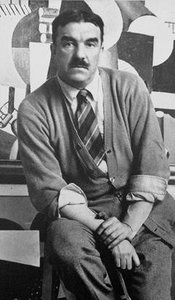
Fernand Léger
1881 - 1955 , Ranska
Tietoa taiteilijasta
- Artistic Movement Or Style: Kubismi, Tubismi
- Artists Or Movements Influenced By This Artist: ['Pop Art']
- Artists Who Influenced This Artist: ['Paul Cézanne']
- Date Of Birth: 4.2.1881
- Date Of Death: 17.8.1955
- Full Name: Fernand Léger
- Nationality: Ranskalainen
- Notable Artworks:
- Nudes metsässä
- Koneen elementti
- Suuri paraati
- Place Of Birth: Argentan, Ranska
Aiheeseen liittyvät artikkelit

AllPaintingsStore.com F.A.Q.: Elevate Your Decor with Premium Textured Giclée Prints
Discover the distinction of AllPaintingsStore.com premium textured Giclée prints. Expertly crafted with archival 12-color pigments and museum-grade substrates, our prints offer unparalleled vividness for the discerning collector seeking luxury, durability, and timeless elegance.


