


 Esikatselu
 Jaa teos
 Jaa
Jaa
 Tiedot
 Opas
Opas

 Lataa kuva
 Samanlaisia kohteita
 Röntgenkuvaus
 Diaesitys
 Q&A
Q&A Tilastot
Rinaldo and Armida
 Oil On Canvas
- WallArt
- Rococo
 1734
1734- Early Modern
 135.0 x 170.0 cm
 Louvren museo
 Lue lisää
Giclée- ja taideprintit
Museolaatuisia giclée- tai kankaitaulun tulosteita nopealla tuotannolla ja joustavilla viimeistelyvaihtoehdoilla. ( Osta käsinmaalattu taideteos Siirry digitaaliseen kuvaan)




P118B €10

P118H €10

P118W €10

P438Z €10

P508JH €12

P508YH €12

P805H €10

P805Z €10

P919BZ €10

P919G €10

P919XJ €10

P959ZH €10

P968JZ €12

W106C €8

W218G €10

W218JH €8

W218Y €10

W307PJ €10

W316G €10

W316PJ €8

W316Y €10

W398PJ €8

W4111J €10

W500HY €15

W500JH €15

W692G €12

W849H €8

W940BG €15

W953PJ €8




Valitse valmiista mitoistamme sellaiset, jotka vastaavat teoksen alkuperäisiä mittasuhteita.

Syötä tarvitsemasi leveys ja korkeus, jotta tuloste sopii kehyksiisi tai seinällesi. Tulostetta voidaan vain leikata, sitä ei voida koskaan suurentaa alkuperäistä kuvaa suuremmaksi, joten eri muotoinen koko aiheuttaa osan kuvasta katoamisen. Lähetämme sinulle digitaalisen mallikuvan hyväksyttäväksi ennen kuin aloitamme tulostuksen. Tällä sivulla näkyvä kuva ei näytä lopullista rajausta — vain mallikuva näyttää sen.
Maailmanlaajuinen toimitus () 2 viikossa tavallisen 4–5 viikon sijaan. (30 lokakuu)

Ilmainen pikatoimitus ympäri maailman

Korkealaatuinen pellavakangas

Kattava kuljetusvakuutus

Tulliveron palautustakuu

Takuu täydellisestä värien vastaavuudesta

100 päivän palautusoikeus (vain valmistusvirheet)

100% rahat takaisin -takuu

Määräalennus tarjolla
 Lasivaihtoehto on saatavilla vain alle 110 cm kokoisille teoksille

Rinaldo and Armida
Giclée- ja taideprintit
Replikaatin koko
-


Kokonaishinta
€ 57
A Symphony of Sensuality: The Enchantment of Rinaldo and Armida
In the grand tapestry of the Rococo era, few works capture the delicate tension between passion and duty as exquisitely as François Boucher’s 1734 masterpiece, Rinaldo and Armida. This monumental canvas serves as a breathtaking window into the heart of 1-8th century French elegance, where the boundaries between myth and reality dissolve into a dreamscape of soft light and romantic longing. The painting draws its profound narrative power from Torquato Tasso’s epic poem, Jerusalem Delivered, presenting a moment of suspended animation where the chaos of crusade and conflict is momentarily silenced by the overwhelming force of desire.
At the center of this visual poem lies the intimate encounter between the valiant Christian knight, Rinaldo, and the enchanting sorceress, Armida. Boucher masterfully captures a scene of profound tenderness; as Rinaldo rests in a state of vulnerable repose, Armida leans over him, her fingers gently entwined in his hair. This simple, evocative gesture symbolizes more than mere affection—it represents the subtle triumph of enchantment over heroism, and the irresistible pull of the senses over the dictates of war. The surrounding landscape, an idealized pastoral Arcadia, reinforces this sense of escapism, offering a sanctuary of lush greenery and classical ruins that feels both timeless and otherworldly.
The Mastery of Rococo Technique and Light
To behold this work is to witness the pinnacle of Boucher’s technical virtuosity. The artist employs the hallmark characteristics of the Rococo style with unparalleled grace, utilizing a delicate layering of translucent glazes to achieve a luminous, pearlescent skin tone that seems to glow from within. His use of chiaroscuro—the sophisticated interplay between light and shadow—does not merely define form but imbues the entire composition with an atmospheric depth, as if a soft mist were clinging to the edges of the forest. The color palette is a triumph of pastel harmonies, where silken draperies in muted blues and rosy pinks dance against the verdant, sun-dappled backdrop.
Every brushstroke serves the larger purpose of decorative elegance. Notice the fluid movement of the fabrics and the meticulous attention to the textures of the surrounding elements—the weathered stone of an abandoned temple, the soft plumage of nearby figures, and the intricate strings of a harp held by playful putti. These details create a sensory experience that transcends the flat surface of the canvas, inviting the viewer to step into a world where beauty is the highest law. For the discerning collector or interior designer, such a piece offers more than mere decoration; it provides a focal point of profound sophistication, capable of anchoring a room with its historical weight and aesthetic splendor.
A Timeless Legacy for the Modern Collector
Beyond its technical brilliance, Rinaldo and Armida resonates emotionally through its exploration of universal themes: the vulnerability of the human heart and the transformative power of love. The presence of angelic messengers and pagan deities in the periphery serves as a poignant reminder of the era's intellectual fascination with the clash between divine piety and earthly temptation. It is a painting that breathes with life, offering a sense of movement and emotional complexity that remains strikingly modern.
For those seeking to infuse their living spaces with the opulence of the French court, a high-quality reproduction of this work offers an unparalleled opportunity. Whether placed in a sunlit gallery or a stately study, the painting’s soft light and romantic narrative act as a source of constant inspiration. It is an investment in atmosphere, bringing the legendary charm of Boucher’s Paris into the contemporary home, and ensuring that the exquisite spirit of the Rococo continues to enchant generations to come.
Kysymykset ja vastaukset
Miten voin hankkia teoksen Françoise Boucher:n "Rinaldo and Armida" digitaalisen tiedoston?
"Rinaldo and Armida" on saatavilla muodossa korkearesoluutioinen digitaalinen kuvalataus, ja sen voi ostaa suoraan sivulta Digitaalinen teos.
Onko "Rinaldo and Armida" tunnettu Rococo-tyylisuunnan teos?
Rococo-suuntauksen sisällä teoksella "Rinaldo and Armida" on Recognized suosio.
Kuka on teoksen "Rinaldo and Armida" tekijä ja mikä on sen valmistumisvuosi?
Teoksen "Rinaldo and Armida" tekijä on Françoise Boucher ja se on vuodelta 1734.
Samankaltaisia teoksia


Taiteilijan elämäkerta
François Boucher: Rococo’n Lumous Sydän
François Boucher (1703-1770) ei ollut pelkästään ranskalainen taidemaalari, vaan koko aikakauden tunnistettava ilmentymä. Hänen työnsä vangitsee 1800-luvun alun Ranskan rokokoo-tyylin kauneuden ja keveän eleganssin – kuin aamukasteen heijastuksenanainenpuutarhassa. Boucher oli mestari luomaan maailman, jossa miellyttävä elämä, jumalaiset ihanteet ja sensuellit tunteet tanssivat harmoniassa, ja hänen vaikutuksensa ulottuu edelleen taiteen historian syvyyksiin.
Varhainen Elämä ja Taidon Aloitus
François Boucher syntyi Pariisissa 29. syyskuuta 1703, ja hänen taiteellinen matkansa alkoi isänsä, Jean Boucherin, johdolla. Jean oli itsekin tunnettu maalarinpoika, ja hän opetti pojalleen perusteet värien hallinnasta ja muodon luomisesta. Nuorella iällä, 17-vuotiaana, Boucher sai huomion François Lemoynestä, merkittävältä taidemaalariyrittäjältä, mikä avasi hänelle oven maailman tunnetuimpaan akateemiseen piiriin. Hänen taitonsa kehittyivät edelleen työskennellessään kaivertajan Jean-François Carsin kanssa, ja lopullinen virstanpylväs saavuttiin vuonna 1720 voittamalla arvostetun Prix de Rome’n – kunnianosoituksen, joka avasi hänelle oven Rooman taideakatemian ovista.
Rooman Aikakausi ja Taiteellisen Äänen Muotoutuminen
Rooma oli 1800-luvun alun taidemaailmalle keskeinen paikka, ja Boucher hyödensi täysin mahdollisuutta opiskella siellä. Rooman akatemiassa hän tutustui renessanssin mestareihin, mutta samalla hän alkoi kehittää omaa, ainutlaatuista tyyliään. Hänen työnsä oli täynnä herkkyyttä, hienovaraisia värejä ja upeaa liikettä – piirteitä, jotka muistuttavat hänen inspiraatioistaan, kuten Jacques-Louis Davidin ja Nicolas Lancretin töistä. Rooman ajasta tuli hänelle merkittävä, jossa hän vahvisti taiteellista identiteettiään ja alkoi luoda teoksia, jotka olivat tyylillisesti ja sisällöllisesti edellä aikansa.
Rokokoo Pariisissa: Kuninkaallinen Suosio ja Taiteellinen Vaikutus
Boucher palasi Pariisiin Rooman jälkeen ja sai välittömästi akateemisen tunnustuksen. Hänet hyväksyttiin Royal Academiin vuonna 1731, ja hänen ensimmäinen näyttelynsä, "Rinaldo ja Armida" (1734), oli heti menestys. Teos osoitti Boucherin kyvyn luoda dramaattisia ja tunteellisesti latautuneita kohtauksia, jotka olivat täynnä rokokoo-tyylin hienostuneisuutta ja sensuaalisuutta. Hänen suosiotaan vahvisti merkittävästi Madame de Pompadour, kuningas Ludvig XV:n rakastettava, joka oli Boucherin tärkein asiakas ja inspiraation lähde. Hän suunnitteli teoksia Pompadourille, mukaan lukien tapetteja, posliinia ja jopa lavastuksia Versailles’n palatsiin.
Teokset ja Teemat: Mytologia, Ilo ja Sensuaalisuus
Boucherin tuotanto on monipuolinen ja kattaa laajan kirjon aiheita. Hänen tunnetuimpia teoksiaan ovat "Aamiaispaikka" (1739), joka kuvaa hienovaraista kodinsirkusta, "Venus triumfeissa" (1740-1751) – sarja mytologisia maalauksia, jotka osoittavat hänen mestaruuttaan tarinankerronnassa ja värien käytössä, sekä lukuisat muotokuvat Madame de Pompadourista. Hän myös loi kauniita maisemakuvia, kuten "Auringonlasku", joissa luonto kuvataan idyllisessä valossa. Boucherin teoksissa toistuvat usein rakkaus, kauneus, lepo ja myyttinen maailma – kaikki yhdistettynä hienostuneeseen eleganssiin ja sensuelliseen tunnelmaan.
Perintö ja Vaikutus
François Boucher ei ollut vain lahjakas taidemaalari, vaan myös merkittävä vaikuttaja taiteen kehitykseen. Hän suunnitteli teattereihin lavastuksia ja puvustuksia, loi tapetteja Gobelinin valmistuslaitoksille ja osallistui posliinitehtaiden suunnitteluun. Hänet nimitettiin vuonna 1765 *Premier Peintre du Roi* – kuninkaan ensisijainen taidemaalari – mikä vahvisti hänen asemaansa Ranskan rokokoo-tyylin johtavana taiteilijana. Vaikka myöhemmät kriitikot kyseenalaistivat rokokoon pinnallisuuden, Boucherin vaikutus on edelleen havaittavissa monien seuraajien töissä, kuten Jean-Honoré Fragonardin teoksissa.
Yhteenveto
François Boucher oli 1800-luvun alun Ranskan taiteen keskeinen hahmo. Hänen työnsä on edelleen inspiraation lähde ja osoitus rokokoo-tyylin hienostuneisuudesta, sensuaalisuudesta ja kauneudesta. Hän oli taidemaalari, joka pystyi vangitsemaan aikansa tunnelman ja luomaan teoksia, jotka ovat edelleen yhtä ihailtuja kuin heidän valmistumisensa aikaan.

Françoise Boucher
1703 - 1770 , Ranska
Pähkinänkuoressa
- Artistic Movement Or Style: Rokoko
- Artists Or Movements Influenced By This Artist: ['Jean-Honoré Fragonard']
- Artists Who Influenced This Artist:
- François Lemoyne
- Jean-François Cars
- Date Of Birth: 29. syyskuuta 1703
- Date Of Death: 30. toukokuuta 1770
- Full Name: François Boucher
- Nationality: Ranskalainen
- Notable Artworks:
- Rinaldo ja Armida
- Aamiaiset
- Venus voitto
- Place Of Birth: Pariisi, Ranska
Aiheeseen liittyvät artikkelit

The Rococo Reverie of Fragonard: Love, Leisure & Pleasure in 18th-Century France
Explore the captivating world of Jean-Honoré Fragonard! Discover his Rococo masterpieces, intimate portraits & the allure of 18th-century French art. Learn about 'The Progress of Love' and more at AllPaintingsStore.

François Boucher: Rococo Master of Myth, Sensuality, and the French Court
Explore the captivating world of François Boucher, master of Rococo painting! Discover his iconic works, aristocratic patronage, and lasting influence on French art history. Learn more at AllPaintingsStore.

Rokokoon mestariteokset: Taidetta ja eleganssia kotiisi – AllPaintingsStore.com
Uppoudu rokokoon maailmaan! Tutustu 10 mestariteokseen – Fragonard, Watteau ja muut. Taidetta, eleganssia & inspiraatiota kotiisi. Laadukkaat taideprintit AllPaintingsStore.com:ssa. Explore the full collection online!
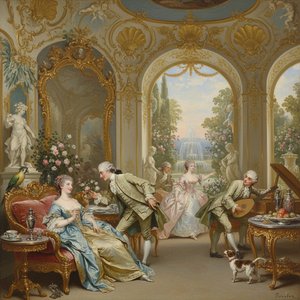
The Rococo Aesthetic: Opulence, Rebellion & the Pursuit of Pleasure in 18th-Century Art
Explore the opulent world of Rococo art! Discover its origins, key artists like Watteau & Boucher, and lasting influence on design. Expert insights for collectors & enthusiasts.
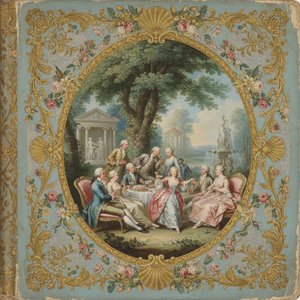
The Rococo Style: Aristocratic Leisure & the Pursuit of Delight in 18th-Century Art
Explore the opulent world of Rococo art! Discover Watteau, Boucher & Nattier's masterpieces. Expert insights for collectors seeking museum-quality reproductions and custom portraits at AllPaintingsStore.


