

Acrylic On Canvas.

§ 1Catalogue data

Tämä teos on tekijänoikeuden suojaama
Tällä sivulla esitettyä taideteosta suojaa tekijänoikeuslaki, mikä tarkoittaa, ettemme voi laillisesti luoda tai myydä täsmälleen samanlaista jäljennöstä. Tämä suoja toteutetaan kansainvälisten sopimusten, kuten esimerkiksi Berne-konventio ja kansallisilla laeilla, mukaan lukien niillä määritellyt Yhdysvaltain tekijänoikeuslaki – Luku 17. Kaikki oikeudet pidätetään. Luvaton kopiointi tai jäljittely on kielletty.
Kunnioittavana ja laillisena vaihtoehtona tarjoamme alkuperäisestä inspiroituneita, yksilöllisiä ja käsinmaalattuja taideteoksia. Taitavat ja ammattimaiset taiteilijamme tutkivat huolellisesti alkuperäisen teoksen tyyliä, tunnelmaa ja taiteellista ydintä luodakseen uuden, ainutlaatuisen teoksen, joka herättää saman tunteen – säilyttäen samalla oman itsenäisen alkuperäisyytensä.
Tämä menetelmä noudattaa täysin tekijänoikeussäännöksiä, sillä se ei sisällä suojatun taideteoksen kopioimista tai jäljentämistä. Sen sijaan kyseessä on luova uudelleentulkinta – uusi maalaus, joka ammentaa vaikutteita alkuperäisestä, mutta ei ole sen identtinen kopio.
 Lue lisää
§ 2Abstract
Keräilykohteen kuvaus
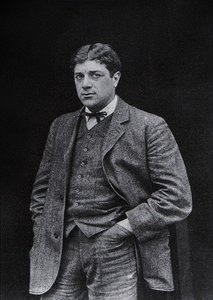
Taiteilijan elämäkerta
Georges Braque’nin "Harbour in Normandy" maalauksessa näkyy aikaisen kubismin uraauurtava lähestymistapa muotoon ja perspektiiviin. Värikäs teos vangitsee sataman tunnelman hajotettuina muodoissa ja rohkeilla linjoilla.
§ 3Commentary
Georges Braque’s Violin On A Table: Fragmented Reality and Musical Resonance
Georges Braque's "Violin On A Table," painted circa 1909-10, stands as a cornerstone of Cubist innovation—a visual manifesto that irrevocably altered the course of modern art alongside Pablo Picasso. More than just a depiction of an instrument and its surroundings; it embodies a profound exploration of perception itself, reflecting the burgeoning intellectual currents of the era and cementing Braque’s position as one of the movement's foremost architects. The painting’s deceptively simple subject matter—a violin resting upon a wooden tabletop alongside scattered books—serves as a springboard for a complex visual language that defies traditional representation.Deconstructing Form: Cubist Technique
At its core, Braque’s approach is rooted in the principles of Analytical Cubism. Rejecting illusionistic depth and embracing geometric abstraction, he dismantled objects into fragmented planes of color and texture—a technique meticulously executed with oil paint on canvas. The violin itself isn't rendered as a unified form but rather dissected into interlocking cubes and parallelograms, mirroring the fractured viewpoints inherent in human experience. These planes overlap and intersect, creating an unsettling yet mesmerizing interplay of light and shadow that challenges viewers to actively reconstruct the image mentally. This deliberate fragmentation wasn’t merely stylistic; it mirrored the philosophical debates surrounding epistemology at the time—the questioning of how we know what we see. As noted in “Georges Braque: Pioneering Cubism & the Evolution of Modern Form,” Braque's method aimed to capture "the essence of an object rather than its appearance."A Musical Echo: Symbolism and Context
The inclusion of books adds another layer of significance to the composition. These aren’t merely props; they represent knowledge, contemplation, and perhaps even a yearning for order amidst chaos—themes prevalent in Cubist thought. The violin itself carries considerable symbolic weight, traditionally associated with musical virtuosity and refined sensibilities. Considering Braque's fascination with music as highlighted in “Violin and Sheet Music: \"Petit Oiseau\"", the instrument becomes more than just an object; it embodies a spirit of artistic exploration and intellectual curiosity. Furthermore, the tabletop—a neutral surface—acts as a grounding element, juxtaposed against the fragmented planes of color to emphasize the instability of visual perception.Emotional Impact: Fragmented Beauty
Despite its intellectual rigor, “Violin On A Table” possesses an undeniable aesthetic beauty. The muted palette—primarily browns and ochres—creates a sense of quiet contemplation, inviting viewers into the artist’s inner world. However, beneath this surface tranquility lies a palpable tension—a reflection of the anxieties and uncertainties characteristic of the period. Braque's masterful manipulation of form and color compels us to confront the limitations of representation, prompting us to consider alternative ways of perceiving reality. The painting lingers in the mind long after viewing, leaving an impression of fragmented beauty that speaks to the enduring power of art to provoke thought and emotion.- Explore reproductions of “Violin On A Table” at AllPaintingsStore.com.
- Discover similar artworks by Georges Braque: Still-Life With A Violin, Glass And Pipe On Table, Violin and Clarinet on a Table.
Kysymykset ja vastaukset
Miten "Violin On A Table" tasapainottaa valon ja varjon?
"Violin On A Table" on kokonaisuutena balanced, ja sen luminanssi on Soft Shadow.
Mitä tunnetta Cubist Exploration-tyylisuunnan teos "Violin On A Table" välittää?
"Violin On A Table" välittää Reflective tunnetilan Cubist Exploration-tyylisuunnan sisällä.
Kuinka paljon valoa "Violin On A Table" värit näyttävät heijastavan?
Teoksella Georges Braque:n "Violin On A Table" on Soft Shadow luminanssi. Luminanssi kuvaa sitä, kuinka paljon värit näyttävät heijastavan valoa.


 Vaihda tulosteeseen


 Teoksille tai reproduktioille, joiden mikä tahansa sivu on suurempi kuin 105 cm (noin 41 tuumaa), kehys toimitetaan osina purettuna sarjana. Tämä menetelmä varmistaa turvallisen toimituksen ja ehkäisee vaurioita kuljetuksen aikana.


